

Available Treatment for Substance use disorders in Adolescents
3 de julio de 2020
4 min de lectura
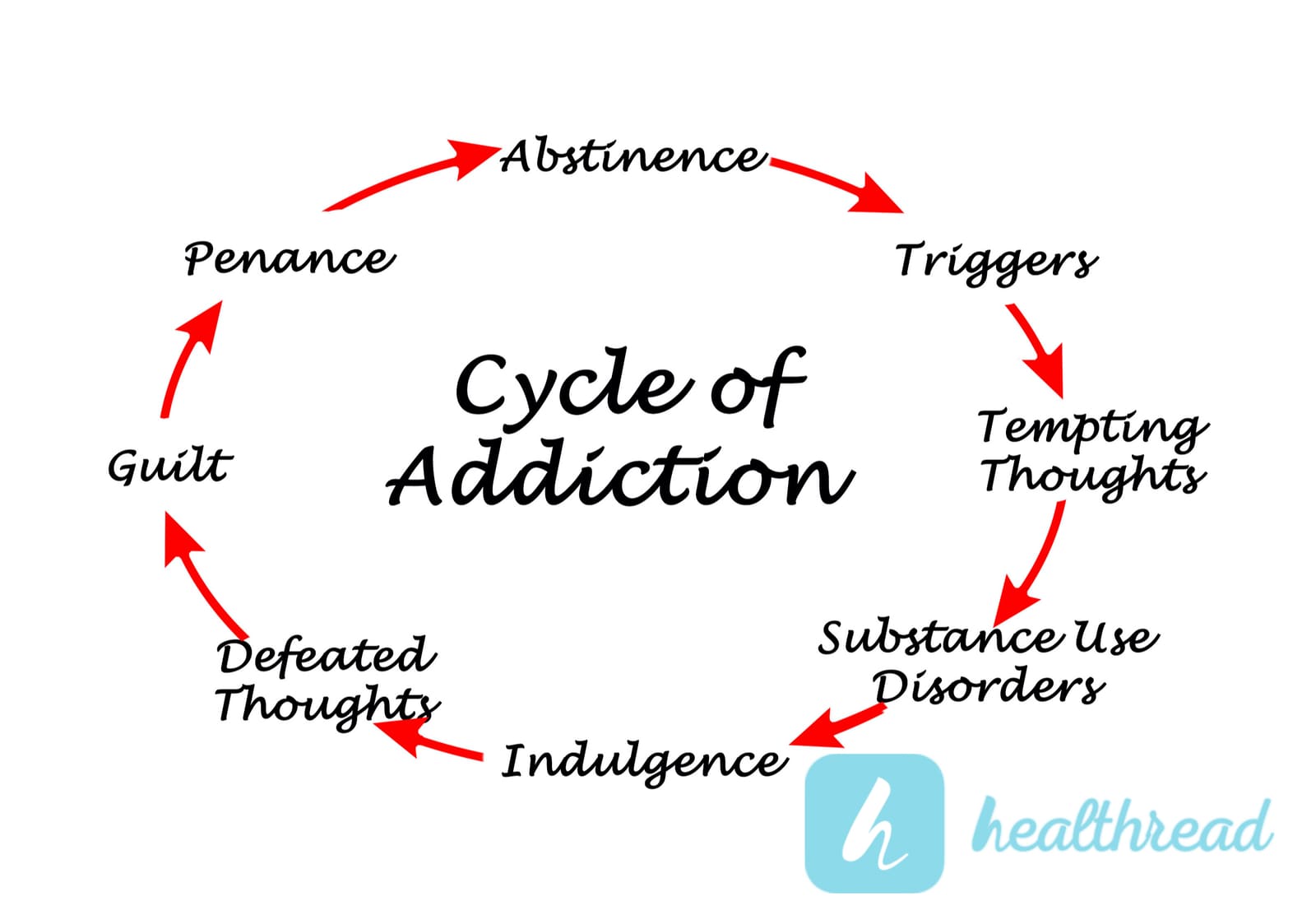
The U.S. is in the midst of an adolescent substance abuse epidemic. While available treatment for substance abuse disorders in adolescents differs depending on the type of substances involved, such treatments have one thing in common. There is a need for professional mental health counseling as part of the treatment program. Adolescents often fall into substance abuse to self-medicate against trauma, sexual abuse, depression, anxiety, low self-esteem, and other issues requiring a holistic therapeutic approach.
While there are similarities between substance abuse issues in adults and adolescents, the brains of the latter are still not completely developed. Substance abuse treatment for teens and adults have many similarities, but an adolescent should always receive treatment from a licensed mental health counselor specializing in adolescents.
Parents should contact addiction treatment centers geared toward teenagers if their child is abusing drugs or alcohol.
Alcohol Addiction in Adolescents
Not surprisingly, alcohol is the substance most commonly abused by adolescents. It is legal for those over 21 to purchase and easily available. The earlier a person starts to consume alcohol, the more likely it is to become a serious disorder later in life. Large amounts of alcohol consumption by adolescents can affect brain development, and certainly affects academic achievement. It can also lead to abuse of other drugs. Binge drinking is common in adolescent alcohol abuse. Of course, many alcohol abusing teens die or are severely injured in motor vehicle accidents and other incidents relating to intoxication.
Suspect alcohol abuse in a teenager displaying any of the following behaviors:
- New, perhaps less savory, friends
- Changes in personal care and hygiene
- Falling academic performance
- Low energy
- Mood changes
Some teenage alcohol abusers may respond to the same medications used for adults, including naltrexone and disulfiram. Teens tend to tolerate these medications well. The drugs reduce alcohol cravings.
Opioid Addiction in Adolescents
Opioid addiction among adolescents has left a trail of death and destruction in its path. It is the type of substance abuse most likely to prove directly fatal in teenagers and the most frightening addiction for parents. Many teens start out using prescription opioids for pain relief, only to start using heroin and similar narcotics that are cheaper and often easier to obtain.
Opiates are extremely addictive, and part of the reason is that withdrawal is such a terrible experience. Users want to avoid getting “drug sick.” Withdrawal should occur under medical supervision. For opiate withdrawal, teens often receive Suboxone®, which combines buprenorphine and naloxone, for detox symptom relief. Some adolescents are prescribed a monthly, extended-release injection of as naltrexone, to stop drug cravings. Once the detoxification phase is completed, the patient may move on to the maintenance phase, which may involve the use of drugs such as methadone or buprenorphine.
Adolescents may enroll in either inpatient or outpatient addiction programs. Much will depend upon the parents’ insurance and program availability. First, teens receive Motivational Enhancement Therapy, which encourages them to attend the drug program. This therapy is combined with other methods to stop patients from abusing opioids.
Treatment options for adolescent opiate addicts concentrate on psychotherapy. Pharmacology is used for opiate addiction treatment in teens only when the patient is not able to stop drinking using only psychotherapy or other behavioral interventions. However, if the patient is diagnosed with depression, anxiety, ADHD, or other conditions, the doctor may prescribe medication specifically to treat those ailments.
When it comes to opiate addiction, get treatment for your teen as soon as possible. The longer an opiate addiction lasts, the more difficult it is to recover and prevent relapse.
Cannabis Use in Adolescents
Some form of cannabis use is now legal in the majority of states. However, in those states in which cannabis is legal either recreationally or medically, more adolescents are using it than ever before.
In teenagers, heavy cannabis use can increase the risk of mental health disorders. Cannabis use may lead to subpar academic performance. Teens using cannabis may indulge in the drug to escape from serious emotional or mental problems, including ADHD, PTSD, and other disorders relating to stress. Uncovering the reason leading to heavy cannabis use is critical.
Treatment for heavy cannabis use in adolescents focuses on psychotherapy. Many teens with a significant cannabis habit benefit from cognitive behavioral therapy, which helps them identify difficult behavioral issues and take steps toward correcting them.
Cannabis withdrawal is not as physically challenging as alcohol or opiate withdrawal, but some patients will suffer from mood changes, depression, and insomnia. There are no medications approved for adolescent cannabis use therapy, but doctors may prescribe drugs to combat sleeplessness, probably the most common side effect of cannabis withdrawal. Of course, it is crucial to make sure the teen does not become dependent on sleep aids, as this creates another drug-dependent issue.
Sources
- 1psychiatrictimes.com/view/treatment-strategies-substance-use-disorders-adolescents-clinical-review
- 2adai.uw.edu/pubs/pdf/2016youthsubstusebrief.pdf
- 3drugabuse.gov/publications/principles-adolescent-substance-use-disorder-treatment-research-based-guide/evidence-based-approaches-to-treating-adolescent-substance-use-disorders
- 4ncbi.nlm.nih.gov/pmc/articles/PMC4880536/
- 5alcohol.org/teens/
Información general, no consejo médico
Este artículo no puede tener en cuenta tu historial de salud ni tu tratamiento actual. Habla con un profesional sanitario cualificado antes de cambiar nada de tu cuidado.
Lee nuestro aviso médico →
En esta página
Alcohol Addiction in Adolescents
Opioid Addiction in Adolescents
Cannabis Use in Adolescents
Sources
Pon en práctica lo que lees
Controla tus medicamentos, consulta un síntoma y habla con personas que viven con la misma enfermedad, todo en Healthread.
Descargar la app
Sigue leyendo

Mental Health
Bipolar I vs. Bipolar II
Bipolar I and II are the most common types of mental health disorders. While they both share certain similarities, they have two key differences.
8 de agosto de 2024 · 3 min de lectura

Mental Health
Narcissistic Personality Disorder (NPD)
NPD is a mental health condition that is characterized by an inflated opinion of oneself. Someone who is narcissistic may feel more important than other people.
4 de mayo de 2024 · 3 min de lectura

Mental Health
What is Treatment-Resistant Depression?
Treatment-resistant depression is a form of major depressive disorder that fails to respond to the standard depression treatments involving taking an anti-depressant or going to psychotherapy.
3 de febrero de 2024 · 3 min de lectura


© 2026 Healthread
English · Español
Healthread no ofrece asesoramiento médico, diagnóstico ni tratamiento. Consulta siempre a un profesional sanitario cualificado sobre tu atención.