

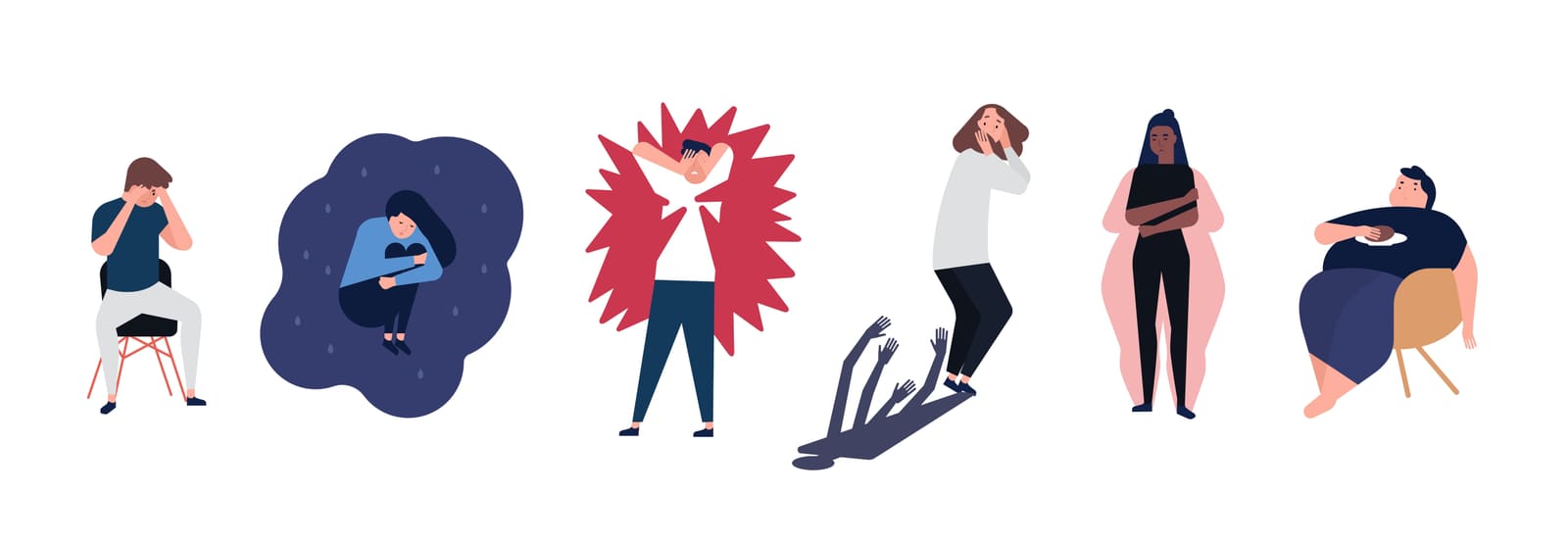
We all know what it feels like to be anxious from time to time. But for some people living with an anxiety disorder, the telltale symptoms of anxiety can become frequent and disruptive problems. Nervousness, restlessness, insomnia, a racing heart and sweaty palms—these issues can make things difficult at work and at home.
If you're affected by anxiety, you should talk to your doctor about the right treatment for you. A growing number of healthcare professionals use an innovative intervention known as biofeedback training to help their patients with anxiety feel better and find relief from their symptoms. Keep reading to find out if biofeedback can help you or your loved one.
What is Biofeedback?
According to Mayo Clinic, biofeedback includes a variety of programs and devices that help you learn how to control your heart rate and certain other bodily functions. Biofeedback devices work by connecting you to specialized sensors that provide real-time information about changes going on in your body. They measure a range of physical characteristics, including your brain wave activity, respiratory rate, heart rate, sweat gland activity, body temperature, and muscle activation.
The ultimate goal of biofeedback training is to clue you in to your body's physiological responses to various emotions, thoughts, and actions. This helps you to learn how to make subtle changes that can reduce stress and pain and even manage chronic health conditions like hypertension, migraine headaches, urinary incontinence, constipation, epilepsy, asthma, and more.
How Biofeedback Helps With Anxiety
Proponents of biofeedback for anxiety say that these devices help you learn how to recognize and respond to the physical characteristics of stressful thought patterns. By helping you become aware of things like elevated heart rate, increased blood pressure, or increased sweating, a biofeedback device can help you regulate your anxiety by prompting you to use self-soothing techniques, such as deep breathing or visualization exercises.
While we could use more high quality research to back its use, we do have studies showing that biofeedback is effective for reducing anxiety and stress. And the great news? Biofeedback is drug-free, non-invasive, and considered safe for a wide range of individuals, including children.
The bottom line: when used in conjunction with other types of treatment for anxiety, biofeedback could be a useful addition to your plan of care.
Where Can I Try Biofeedback?
A variety of healthcare professionals use biofeedback, including psychologists, psychiatrists, and physical therapists. You can find biofeedback training offered in a variety of clinical settings, including hospitals and outpatient facilities.
You can also buy at-home biofeedback devices that range from super expensive to surprisingly affordable. However, not all of these devices are approved by the FDA. So, if you want to buy a biofeedback device to use at home, you'l'l need to do your research (and perhaps chat with your doctor) to make sure you're selecting a good product for your needs and budget.
Have You Used Biofeedback Before?
To celebrate Mental Health Month this May, the team at Healthread is encouraging our readers to share their success stories and connect with other readers. Do you live with anxiety and use biofeedback or other techniques that help you feel better in your daily life? Reach out on our app today to let your voice be heard—you never know who might benefit from hearing about your experience.
Sources
Información general, no consejo médico
Este artículo no puede tener en cuenta tu historial de salud ni tu tratamiento actual. Habla con un profesional sanitario cualificado antes de cambiar nada de tu cuidado.
Lee nuestro aviso médico →
En esta página
What is Biofeedback?
How Biofeedback Helps With Anxiety
Where Can I Try Biofeedback?
Have You Used Biofeedback Before?
Sources
Pon en práctica lo que lees
Controla tus medicamentos, consulta un síntoma y habla con personas que viven con la misma enfermedad, todo en Healthread.
Descargar la app
Sigue leyendo

Mental Health
Bipolar I vs. Bipolar II
Bipolar I and II are the most common types of mental health disorders. While they both share certain similarities, they have two key differences.
8 de agosto de 2024 · 3 min de lectura
Mental Health
Narcissistic Personality Disorder (NPD)
NPD is a mental health condition that is characterized by an inflated opinion of oneself. Someone who is narcissistic may feel more important than other people.
4 de mayo de 2024 · 3 min de lectura

Mental Health
What is Treatment-Resistant Depression?
Treatment-resistant depression is a form of major depressive disorder that fails to respond to the standard depression treatments involving taking an anti-depressant or going to psychotherapy.
3 de febrero de 2024 · 3 min de lectura


© 2026 Healthread
English · Español
Healthread no ofrece asesoramiento médico, diagnóstico ni tratamiento. Consulta siempre a un profesional sanitario cualificado sobre tu atención.