

Body
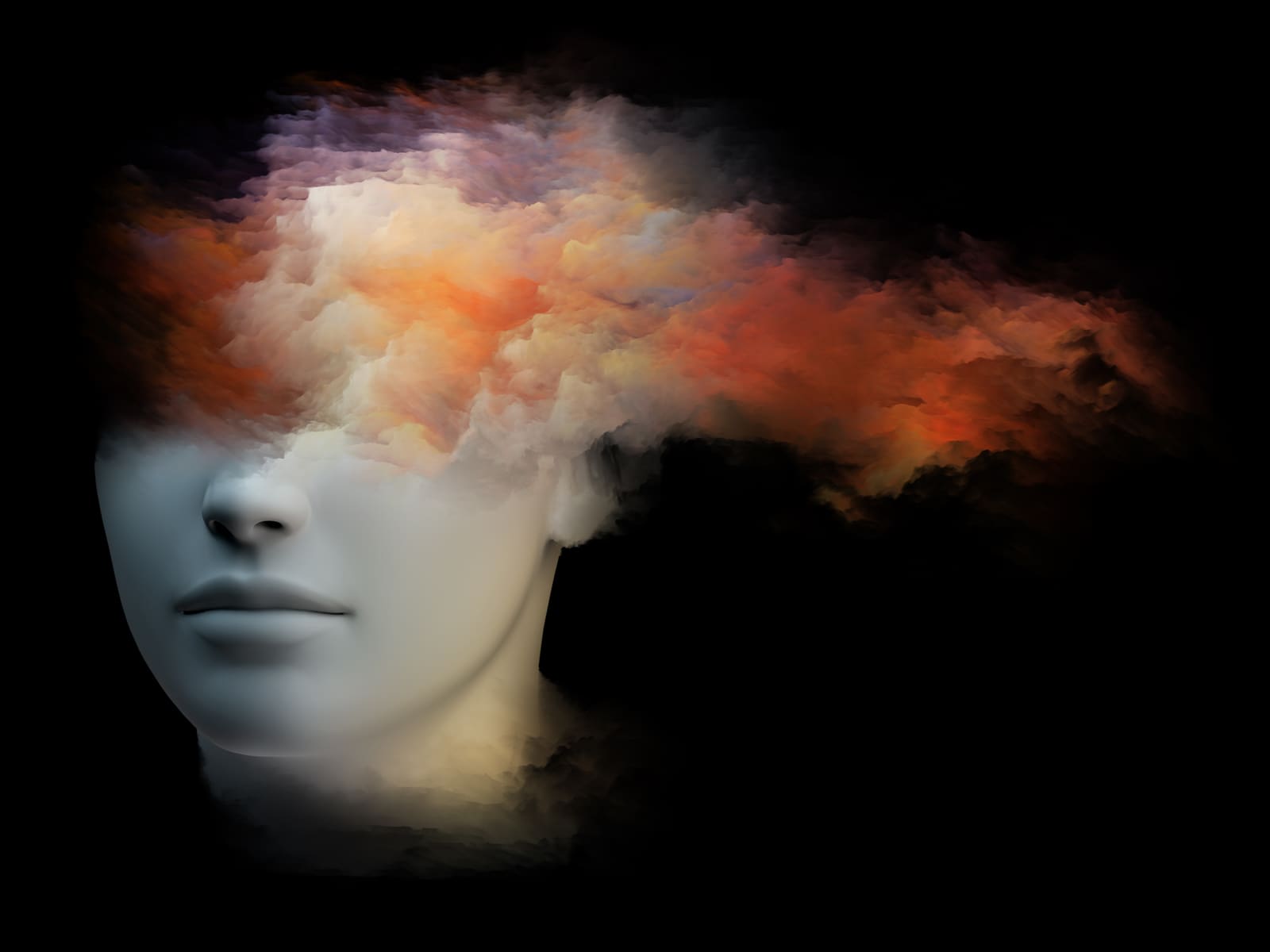
Having trouble with your thought processes? Feel like a robot on the fritz? The mind-numbing experience where your brain doesn’t seem to be up to its usual standards for clarity and reasoning is commonly referred to as brain fog. While it may sound like a medical condition in its own right, what brain fog is, is usually a symptom or side effect of a variety of conditions, medications, or overall health.
What Is Brain Fog?
Because brain fog isn’t a specific medical condition, it is instead identified by symptoms those experiencing it commonly share. These symptoms include things like:
- Disorganization
- Confusion
- Difficulty finding words
- Cloudy or fuzzy thinking
- Inability to focus
There are many potential causes of brain fog and once your medical practitioner identifies the “condition” the next step is to identify its potential cause in your specific situation.
What Causes Brain Fog?
Brain fog can be caused by many things. Among the most common causes of the condition we call brain fog are the following:
- Lyme disease. A condition caused by the bite of an infected tick that has many symptoms including brain for or mental fuzziness.
- Insufficient sleep. This includes the possibility of undiagnosed sleep disorders like obstructive sleep apnea.
- Medication side effects. Many medications can impair your ability to think clearly. One of the first places to check is with your pharmacist for particular medication side effects.
- Thyroid or hormonal issues. From pregnancy to menopause and even PMS hormonal fluctuations can result in significant brain fog.
- Chronic fatigue syndrome. Not only does this condition cause chronic fatigue of the body, but also of the mind leaving you dealing with brain fog as frequently as other symptoms of the disease.
- Lupus. Brain fog is so common with this condition that they’ve even coined a term for it, “Lupus fog.”
- Celiac disease. The Celiac Foundation reports that consuming gluten, for someone with the disease, has the same impact on the brain as a blood alcohol level of 0.05 (BAC of 0.08 is the legal limit for driving for a point of comparison).
- Fibromyalgia. People with this condition can experience cognitive dysfunction known as “fibro fog”.
- Multiple sclerosis. This condition affects everything from your motor function and emotional control (or lack thereof) to cognition and thought clarity.
- Anxiety or depression. Harvard Health Publishing reports that excessive anxiety or depression can cause “fuzzy thinking.”
- Low B12. Insufficient B12, which is commonly found in meat, dairy, and eggs, can also cause brain fog as well as muscle weakness and other symptoms.
- Depression. Brain fog is a common symptom for people who have depression.
- Chemotherapy. Some people experience “chemo fog” during this cancer treatment.
- Various medical conditions. In addition to the conditions mentioned above other conditions, such as diabetes, anemia, Sjogren syndrome, Alzheimer’s disease, arthritis, and dehydration can also cause brain fog.
But how do you know which of these is the cause of your brain fog?
How is Brain Fog Diagnosed?
Most doctors will order a full panel of blood work and use your medical history, medication review, physical examinations, and mental health questions to help determine if you have certain conditions that are commonly associated with brain fog.
Tips for Managing Brain Fog
There are quite a few things you can do to help your body overcome the limitations of brain fog. Many people enjoy better clarity of thought when adopting one or more of the following:
- Get eight or more hours of sleep every night.
- Review medications and seek alternatives for those that may cause brain fog.
- Reduce stress and avoid excessive consumption of caffeine or alcohol.
- Get exercise daily. Become more active in general by finding activities you enjoy and doing them often.
- Engage in brain-building exercises (puzzles, crosswords, learning a musical instrument, etc.)
- Change your diet. Increase your intake of brain-building foods like fish, eggs, vegetables, and healthy fats.
Latest Insights on Brain Fog
There are quite a few recent insights related to brain fog, including the following:
- Post-COVID brain fog once attributed to lingering effects of the condition, may actually be a symptom of PTSD among these patients, according to UCLA Health.
- Loma Linda University Health compares the trauma of an illness like COVID to PTSD and also lists brain fog as a likely result of the trauma rather than the illness itself.
- Columbia University Irving Medical Center suggests that even those with mild COVID symptoms may experience the associated brain fog related to the condition.
The better you understand brain fog, its many potential causes, and possible solutions, the better prepared you will be to manage your condition should it affect you.
Do You Experience Brain Fog?
You are not alone. Share your experience with other Healthread users.
Sources
- 1health.harvard.edu/mind-and-mood/is-an-underlying-condition-causing-your-fuzzy-thinking
- 2celiac.org/about-the-foundation/featured-news/2014/07/brainfog/
- 3uclahealth.org/brain-fog-following-covid-19-recovery-may-indicate-ptsd
- 4cuimc.columbia.edu/news/even-mild-cases-can-cause-covid-19-fog
- 5news.llu.edu/health-wellness/why-can-covid-19-cause-brain-fog
Información general, no consejo médico
Este artículo no puede tener en cuenta tu historial de salud ni tu tratamiento actual. Habla con un profesional sanitario cualificado antes de cambiar nada de tu cuidado.
Lee nuestro aviso médico →
En esta página
Body
What Is Brain Fog?
What Causes Brain Fog?
How is Brain Fog Diagnosed?
Tips for Managing Brain Fog
Latest Insights on Brain Fog
Do You Experience Brain Fog?
Sources
Pon en práctica lo que lees
Controla tus medicamentos, consulta un síntoma y habla con personas que viven con la misma enfermedad, todo en Healthread.
Descargar la app
Sigue leyendo

Mental Health
Bipolar I vs. Bipolar II
Bipolar I and II are the most common types of mental health disorders. While they both share certain similarities, they have two key differences.
8 de agosto de 2024 · 3 min de lectura

Mental Health
Narcissistic Personality Disorder (NPD)
NPD is a mental health condition that is characterized by an inflated opinion of oneself. Someone who is narcissistic may feel more important than other people.
4 de mayo de 2024 · 3 min de lectura

Mental Health
What is Treatment-Resistant Depression?
Treatment-resistant depression is a form of major depressive disorder that fails to respond to the standard depression treatments involving taking an anti-depressant or going to psychotherapy.
3 de febrero de 2024 · 3 min de lectura


© 2026 Healthread
English · Español
Healthread no ofrece asesoramiento médico, diagnóstico ni tratamiento. Consulta siempre a un profesional sanitario cualificado sobre tu atención.