

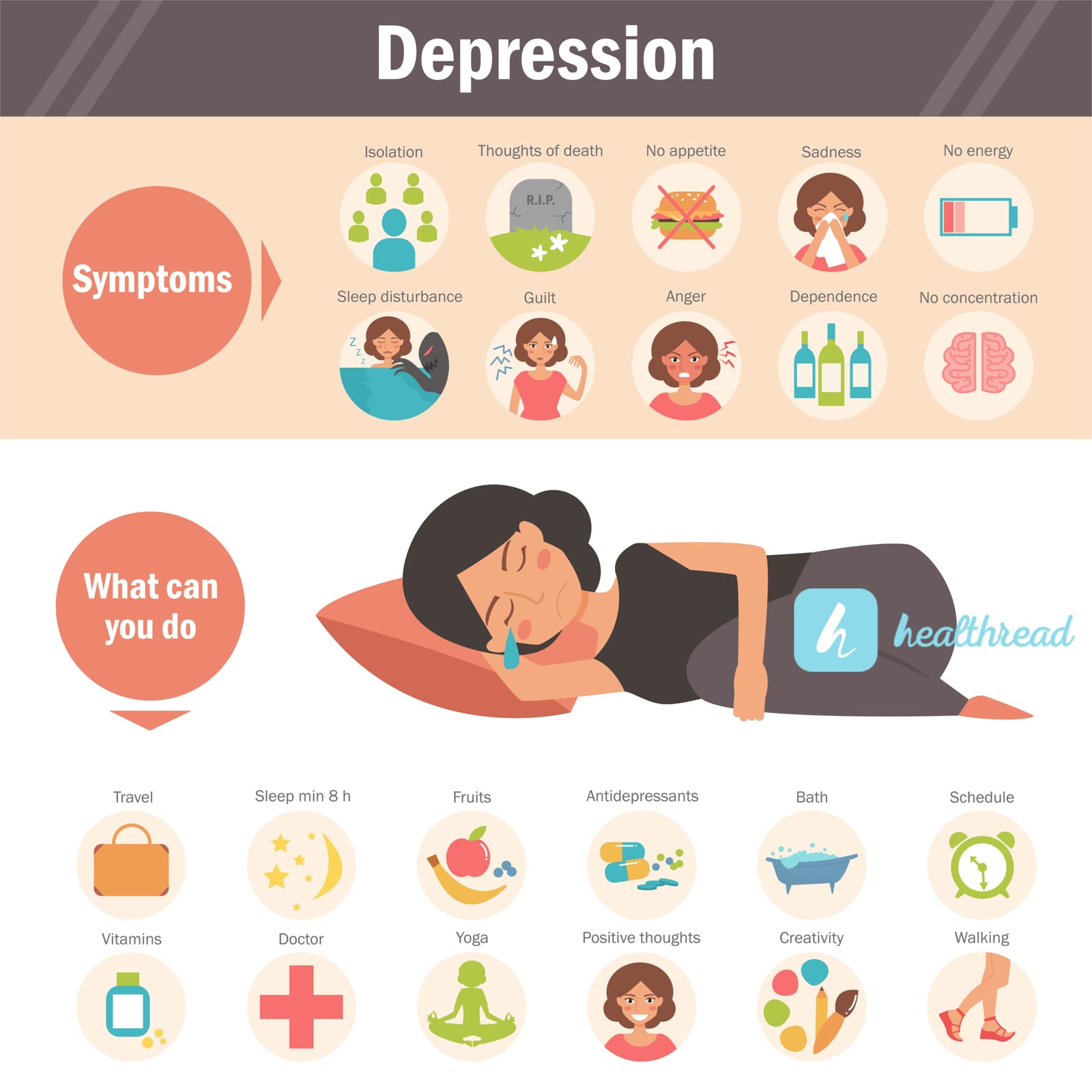
Depression in the elderly is common, but it is not normal. According to the National Alliance on Mental Illness (NAMI), nearly 20 percent of those age 65 and up are affected by depression. Of course, a sizable number of those people dealt with depression before becoming senior citizens, but initial, late-onset depression also occurs frequently.
Left untreated, depression in the elderly can result in suicide. In fact, suicide rates among older white males are the highest in the U.S.
Risk Factors
Any major life change can trigger depression, and elderly people may experience many changes at this time of life. A spouse may die, and they may also lose other family members and longtime friends. They may lose mobility or the ability to live independently. Those lacking a strong support network are especially vulnerable to depression.
Older women tend to suffer from depression more than males. Many take on the caregiving responsibilities of their ailing spouses or other family members, circumstances resulting in significant stress.
Retirement means a lifestyle change, and many people do not adapt well to it. They may miss the support system they had at work, the regularity of routine, and the mental stimulation. Those who do not plan well for post-work life are at greater risk.
Many elderly people suffer from chronic health issues. Those diagnosed with such conditions are more likely to become depressed.
Anyone with a family history of depression is at increased risk as they age. That is also the case for individuals who battled depression at an earlier time in life.
The lowest rates of depression in the elderly are found in those living in and engaged with a community. Rates rise for those in the hospital for significant periods of time and are highest for those in long-term care facilities.
Depression Symptoms in Older People
Many of the symptoms of depression in the elderly differ from that of younger people. These symptoms are often mistaken for other health issues, especially dementia. Such symptoms include:
- Appetite loss
- Confusion
- Fatigue
- Insomnia
- Irritability
- Loss of interest in favorite activities
- Overeating
Older people may experience aches and pains or gastrointestinal issues. If these problems do not get better with treatment, more than physical issues may be involved. A preoccupation with health problems may indicate underlying depression.
Vascular Depression
Vascular depression frequently affects the elderly. This type of depression results due to the bodily changes of aging. Restricted blood flow, or ischemia, is a common condition in older people. As less blood flows into the brain and other organs, a person may develop vascular depression.
Vascular depression increases the odds of a cardiovascular event, such as a heart attack or stroke. The connection between heart disease and depression is well-known, but whether heart disease causes depression is less clear. What is certain is that depressed individuals are at greater risk for heart disease, regardless of other factors affecting the cardiovascular system. Older patients diagnosed with heart disease are twice as likely to become depressed as unaffected members in their age group. Depression after a cardiovascular event is a major indicator of death within the first ten years after a cardiovascular disease diagnosis. It is in the same league for poor outcomes as smoking, obesity, and other harbingers of heart issues.
Some studies indicate that treatment for depression prior to the development of cardiac disease could reduce the later risk of heart attack and stroke.
Depression Diagnosis
Some elderly people consider depression a weakness or character flaw. Because of this, they are reluctant to seek help. It is important for them to understand that depression is an illness, not unlike physical problems, and that there is no stigma attached to it.
Healthcare providers should look for symptoms of depression in elderly patients and offer guidance as to diagnostic and treatment options. Many medical conditions in the elderly can bring on depressive symptoms.
Treatment
Fortunately, there are many viable treatment options for depression in the elderly. These include therapy and medication, and often a combination of both.
Because older people generally take more medication than younger people and are more likely to suffer adverse effects, choosing a safe antidepressant drug is critical. Selective serotonin reuptake inhibitors (SSRIs) are among those antidepressants most commonly prescribed for elderly patients.
The doctor will determine the right medication for the patient based on the individual’s health history. Patients with diabetes, dementia, and Parkinson’s disease, for example, may find their medical issues worsening when given antidepressants.
One caveat: Elderly patients sometimes do not respond to antidepressants because they are initially prescribed a low dose. A higher dose may achieve a therapeutic effect, but the doctor must monitor the patient carefully. Overall, antidepressant medications can often lift the mood and make a person feel much better.
Psychotherapy, such as cognitive behavior therapy and interpersonal therapy, can benefit many older patients with depression.
Sources
Información general, no consejo médico
Este artículo no puede tener en cuenta tu historial de salud ni tu tratamiento actual. Habla con un profesional sanitario cualificado antes de cambiar nada de tu cuidado.
Lee nuestro aviso médico →
En esta página
Risk Factors
Depression Symptoms in Older People
Vascular Depression
Depression Diagnosis
Treatment
Sources
Pon en práctica lo que lees
Controla tus medicamentos, consulta un síntoma y habla con personas que viven con la misma enfermedad, todo en Healthread.
Descargar la app
Sigue leyendo

Mental Health
Bipolar I vs. Bipolar II
Bipolar I and II are the most common types of mental health disorders. While they both share certain similarities, they have two key differences.
8 de agosto de 2024 · 3 min de lectura

Mental Health
Narcissistic Personality Disorder (NPD)
NPD is a mental health condition that is characterized by an inflated opinion of oneself. Someone who is narcissistic may feel more important than other people.
4 de mayo de 2024 · 3 min de lectura

Mental Health
What is Treatment-Resistant Depression?
Treatment-resistant depression is a form of major depressive disorder that fails to respond to the standard depression treatments involving taking an anti-depressant or going to psychotherapy.
3 de febrero de 2024 · 3 min de lectura


© 2026 Healthread
English · Español
Healthread no ofrece asesoramiento médico, diagnóstico ni tratamiento. Consulta siempre a un profesional sanitario cualificado sobre tu atención.