

IBS: Is it in the mind or the gut?
5 de octubre de 2022
3 min de lectura
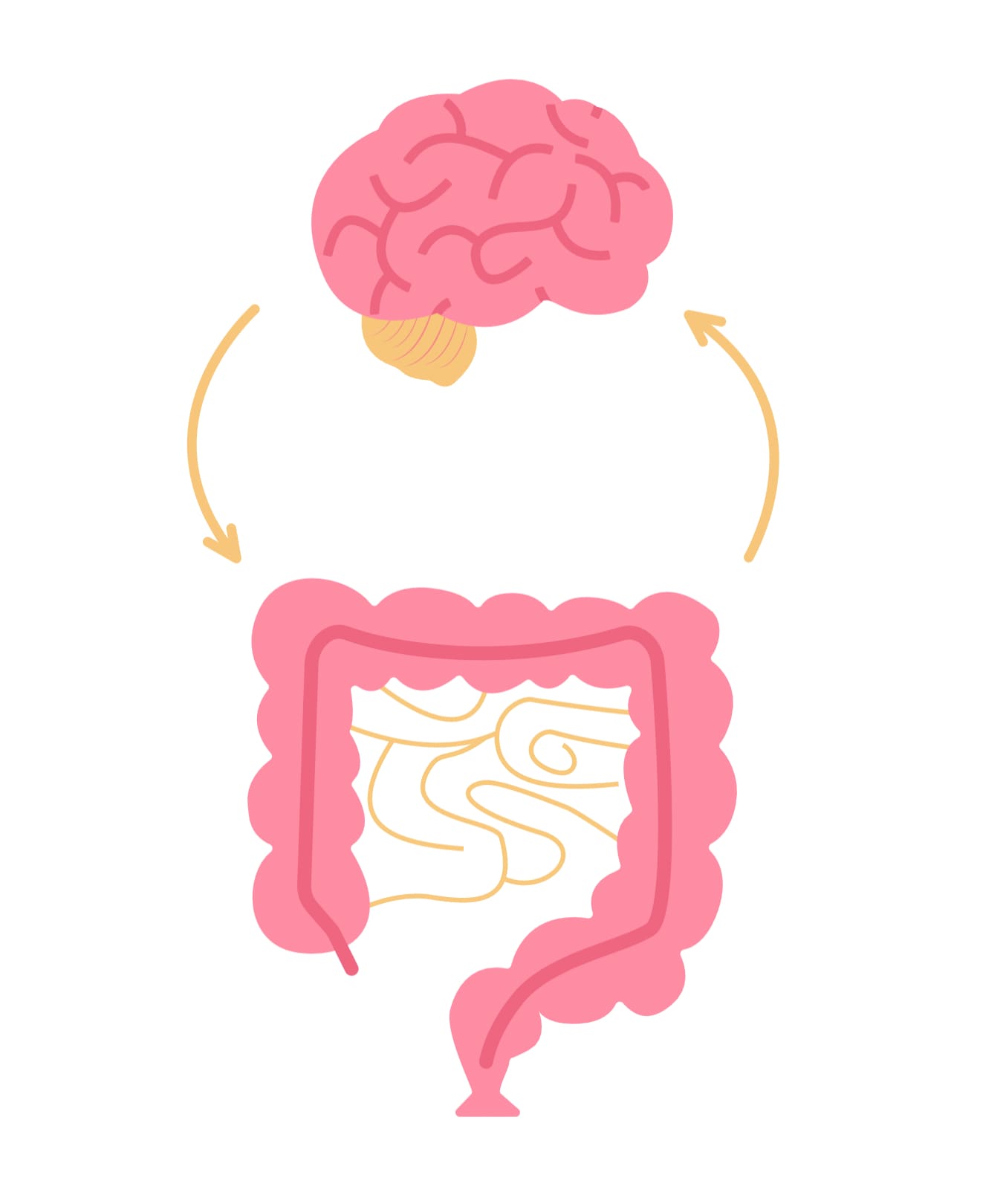
Have you ever wondered where the phrase 'gut feeling' comes from? According to multiple scientific studies, the human gut and brain are interconnected. What happens in your stomach affects how your brain responds, and vice versa.
How Is the Gut Connected With the Brain?
To understand the connection between the gut and brain, let's discuss how the gut-brain axis works. This term refers to a two-way connection between the brain and your stomach.
The axis comprises several components, most notably the brain, enteric nervous system, vagus nerve, gut bacteria, and a certain type of hormone known as serotonin.
How the Enteric Nervous System (ENS) Works
The human gut is surrounded by around 100 million neurons. This explains why the stomach is usually one of the most sensitive parts of the human body. To put things into perspective, think about the last time you had severe stomach pain from food poisoning or any other system.
When there's any discomfort in your stomach, the EMS sends signals to the brain, which affects your emotions. That's why you feel sad when you're sick and happy when you're healthy.
The nerves in the stomach work as the 'second brain' in the body's system. The ENS controls digestion, the movement of food through the intestines - a process known as motility - and the release of fluids. This system goes all the way from the esophagus to the anus.
Since the ENS system works like the 'second brain,' it is usually in constant communication with your brain. For example, it tells your brain what's happening in your gut, and as a result, the brain reacts accordingly. This further explains why most people develop a sudden urge to use the bathroom when anxious, terrified, stressed, etc.
Understanding the Connection Between the Gut and Mind
Nerve cells communicate with each other through chemicals called neurotransmitters. Serotonin is the most important neurotransmitter when it comes to digestive function. It also plays an essential role in the communication between the gut and the brain. According to studies, the digestive tract contains at least 95 percent of the serotonin in the body.
Therefore, when there's an irritation in the gut, the ENS, through serotonin, sends a signal to the brain, which then triggers mood changes. As a result, you'll most likely feel anxious, stressed, or even depressed. All these are symptoms of irritable bowel syndrome (IBS).
Diarrhea is one of the most common symptoms of IBS. This symptom, in particular, further explains the connection between your gut and the mind.
The level of serotonin production increases when there is an irritation in the gut. As mentioned earlier, this hormone is also in charge of fluid secretion in the body.
A study has discovered that individuals with IBS, particularly those who experience diarrhea as a symptom of this condition, have high serotonin levels. Conversely, other studies have found low serotonin levels among individuals with constipation. As a result of these varying serotonin levels, researchers are now focusing on finding a medication that either increases or decreases serotonin levels in the body to combat IBS.
The Bottomline
There's no denying that there's indeed a connection between the mind and the gut. So to answer the question of whether IBS derives from the mind or gut, you'll need to study the chronology of events as it relates to your situation.
Research confirmed that the discomfort can begin the gut. As a result, the EMS sends signals to the brain to inform it about the discomfort. The gut then releases serotonin, which triggers a series of symptoms associated with IBS.
This chain of reactions happens in milliseconds, which explains why some people rush to the bathroom immediately after receiving shocking news.
Have IBS? We have added new Healthread functionality that allows you to see how your health is trending over weeks and months. You can record your feelings and symptoms related to IBS to help you see how it has ebbed and flowed. And, and we have added the ability to include a diagnosis on your profile.
Información general, no consejo médico
Este artículo no puede tener en cuenta tu historial de salud ni tu tratamiento actual. Habla con un profesional sanitario cualificado antes de cambiar nada de tu cuidado.
Lee nuestro aviso médico →
En esta página
How Is the Gut Connected With the Brain?
How the Enteric Nervous System (ENS) Works
Understanding the Connection Between the Gut and Mind
The Bottomline
Pon en práctica lo que lees
Controla tus medicamentos, consulta un síntoma y habla con personas que viven con la misma enfermedad, todo en Healthread.
Descargar la app
Sigue leyendo

Mental Health
Bipolar I vs. Bipolar II
Bipolar I and II are the most common types of mental health disorders. While they both share certain similarities, they have two key differences.
8 de agosto de 2024 · 3 min de lectura

Mental Health
Narcissistic Personality Disorder (NPD)
NPD is a mental health condition that is characterized by an inflated opinion of oneself. Someone who is narcissistic may feel more important than other people.
4 de mayo de 2024 · 3 min de lectura

Mental Health
What is Treatment-Resistant Depression?
Treatment-resistant depression is a form of major depressive disorder that fails to respond to the standard depression treatments involving taking an anti-depressant or going to psychotherapy.
3 de febrero de 2024 · 3 min de lectura


© 2026 Healthread
English · Español
Healthread no ofrece asesoramiento médico, diagnóstico ni tratamiento. Consulta siempre a un profesional sanitario cualificado sobre tu atención.