

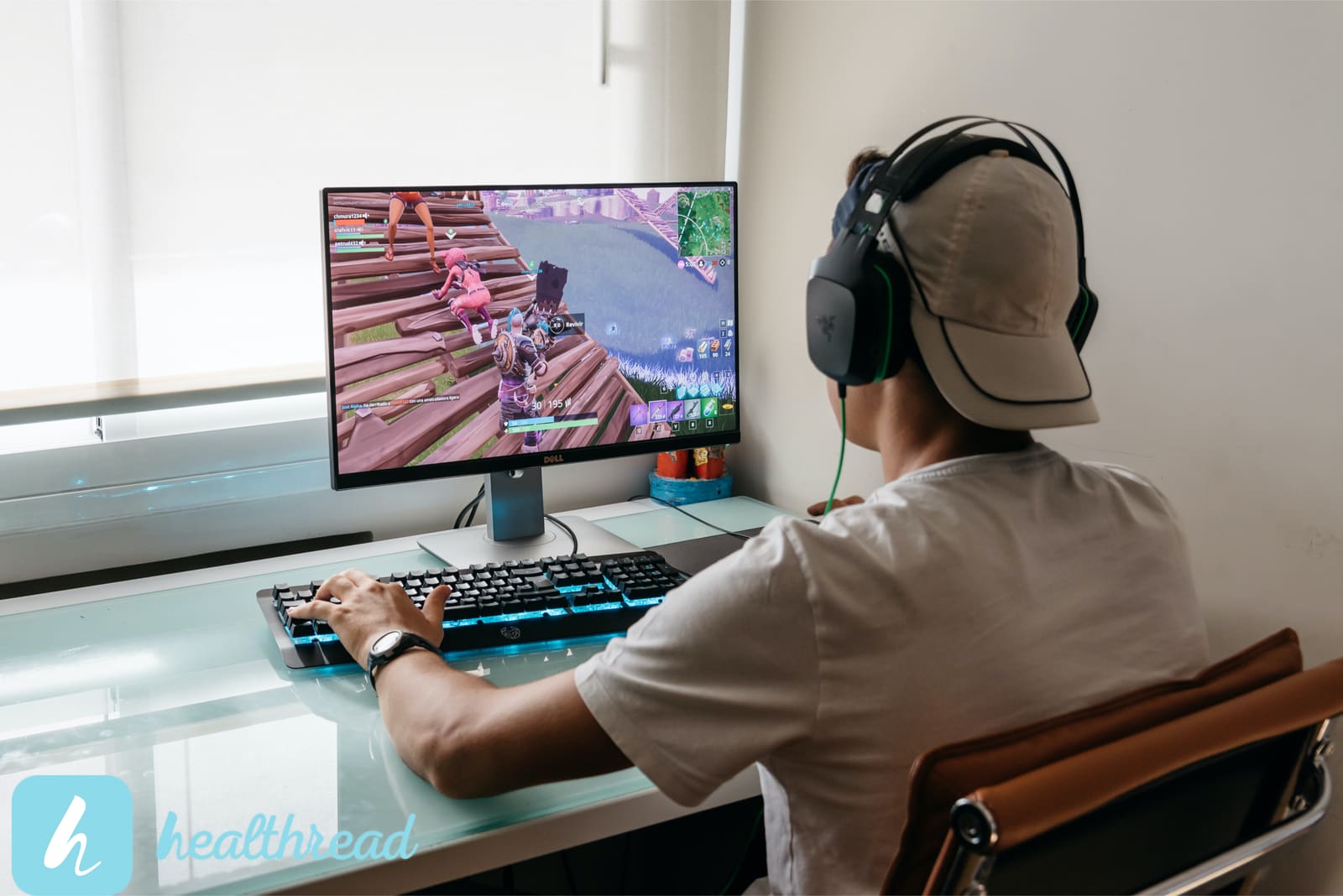
Video games and internet games have become a daily part of many children’s, young adults’, and even adults’ lives. Technology is advancing rapidly, and many people are enjoying the benefits of internet gaming, which is accessible online on demand. Online games are ubiquitous these days, and can be played via your phone, laptop, desktop, iPad, or other electronic devices.
Children especially love internet games, and online gaming can provide a respite for parents. But, people of all ages enjoy internet gaming, too.
While some internet gaming usage can be a fun or relaxing pastime, there are instances when gaming can be considered a nuisance or even a disorder.
What is Internet Gaming Disorder?
Internet gaming disorder is defined by continuous and repeated involvement with video games, often leading to significant daily, work or educational disruptions. This disorder is common, as The American Psychiatric Association (APA) reports that at least one person in American households plays video games.
This disorder is diagnosed by healthcare professionals. If you want to be assessed for internet gaming disorder or help someone else be assessed, you can visit any medical provider. A pediatrician or primary care physician can refer someone who has possible symptoms to a psychiatrist, who can diagnose internet gaming disorder with the APA Diagnostic and Statistical Manual of Mental Disorders (DSM-5).
Internet gaming disorder is more common in male children than female children, affecting boys about five times more than girls. However, any person can be diagnosed with internet gaming disorder if they exhibit the below symptoms.
Symptoms of Internet Gaming Disorder
There are a few ways that excessive internet gaming can cause distress or disruption. Some symptoms that might indicate internet gaming disorder include:
- Spending most of your time playing, talking about, and thinking about internet gaming, and being unable to focus on other subjects.
- Feeling withdrawal symptoms when you cannot play (sadness, anger, anxiety, worry, irritability, annoyance).
- Not finding enjoyment in other activities that you used to enjoy.
- Gaming excessively despite problems like failing grades at school, absences from work or school, strained relationships, or other consequences.
- Unsuccessful attempts at quitting internet gaming.
- Sleep disturbances or difficulty sleeping, especially after playing internet games at night
- Feeling a high tolerance for internet gaming and needing to constantly play more Internet games to feel the same level of enjoyment.
- Lying to other people that you are not gaming and secretly playing internet games
- Using internet games to relieve negative moods every time you feel upset, guilty, hopeless, or angry.
- Feeling extremely bored or not mentally stimulated when not gaming.
- Mood imbalances that were not present before internet gaming began .
- Playing internet games for hours on end every day.
- Obsessing over beating your last score or winning every game.
.You might be worried about this disorder if you have some of these symptoms. However, it is important to remember that many people can enjoy internet gaming and not have this disorder. To truly know if you have internet gaming disorder, you should seek professional medical treatment to be diagnosed by a psychiatrist.
Treatments for Internet Gaming Disorder
- Outpatient or community treatments, including at-home treatments, are available for people with internet gaming disorder. Treatments do not typically include medications or hospitalizations, but occasionally ADHD or mood medications might be given supplementally to treat symptoms.
- Recovery programs can help people with internet gaming disorder. Recovery programs can be conducted in rehabilitation centers or outpatient centers.
- Life coaching or therapy can help a person set goals to overcome internet gaming disorder.
- Cognitive behavioral therapy, which is a type of therapy that helps patients reframe mindsets and thought processes, can help you reframe your mindset surrounding an internet gaming addiction. This is a non-invasive therapy option that can help limit or treat internet gaming disorder. A therapist can also help family members or partners of someone with an internet gaming disorder set gaming limits and establish goals.
Treatment is not widely established yet, but some potential new treatments are being tested in China and South Korea. As the APA strengthens diagnosis criteria for internet gaming disorder, facts about this disorder should become more well-known and accessible.
Foundations and Societies
Support for Internet Gaming Disorder
If you suspect you might have an internet gaming disorder or know someone that might, it’s important to reach out for help. Besides reaching out to the medical community, you can connect with others on Healthread to discuss tips for controlling this disorder.
Sources
Información general, no consejo médico
Este artículo no puede tener en cuenta tu historial de salud ni tu tratamiento actual. Habla con un profesional sanitario cualificado antes de cambiar nada de tu cuidado.
Lee nuestro aviso médico →
En esta página
What is Internet Gaming Disorder?
Symptoms of Internet Gaming Disorder
Treatments for Internet Gaming Disorder
Foundations and Societies
Support for Internet Gaming Disorder
Sources
Pon en práctica lo que lees
Controla tus medicamentos, consulta un síntoma y habla con personas que viven con la misma enfermedad, todo en Healthread.
Descargar la app
Sigue leyendo
Mental Health
Bipolar I vs. Bipolar II
Bipolar I and II are the most common types of mental health disorders. While they both share certain similarities, they have two key differences.
8 de agosto de 2024 · 3 min de lectura

Mental Health
Narcissistic Personality Disorder (NPD)
NPD is a mental health condition that is characterized by an inflated opinion of oneself. Someone who is narcissistic may feel more important than other people.
4 de mayo de 2024 · 3 min de lectura

Mental Health
What is Treatment-Resistant Depression?
Treatment-resistant depression is a form of major depressive disorder that fails to respond to the standard depression treatments involving taking an anti-depressant or going to psychotherapy.
3 de febrero de 2024 · 3 min de lectura


© 2026 Healthread
English · Español
Healthread no ofrece asesoramiento médico, diagnóstico ni tratamiento. Consulta siempre a un profesional sanitario cualificado sobre tu atención.