

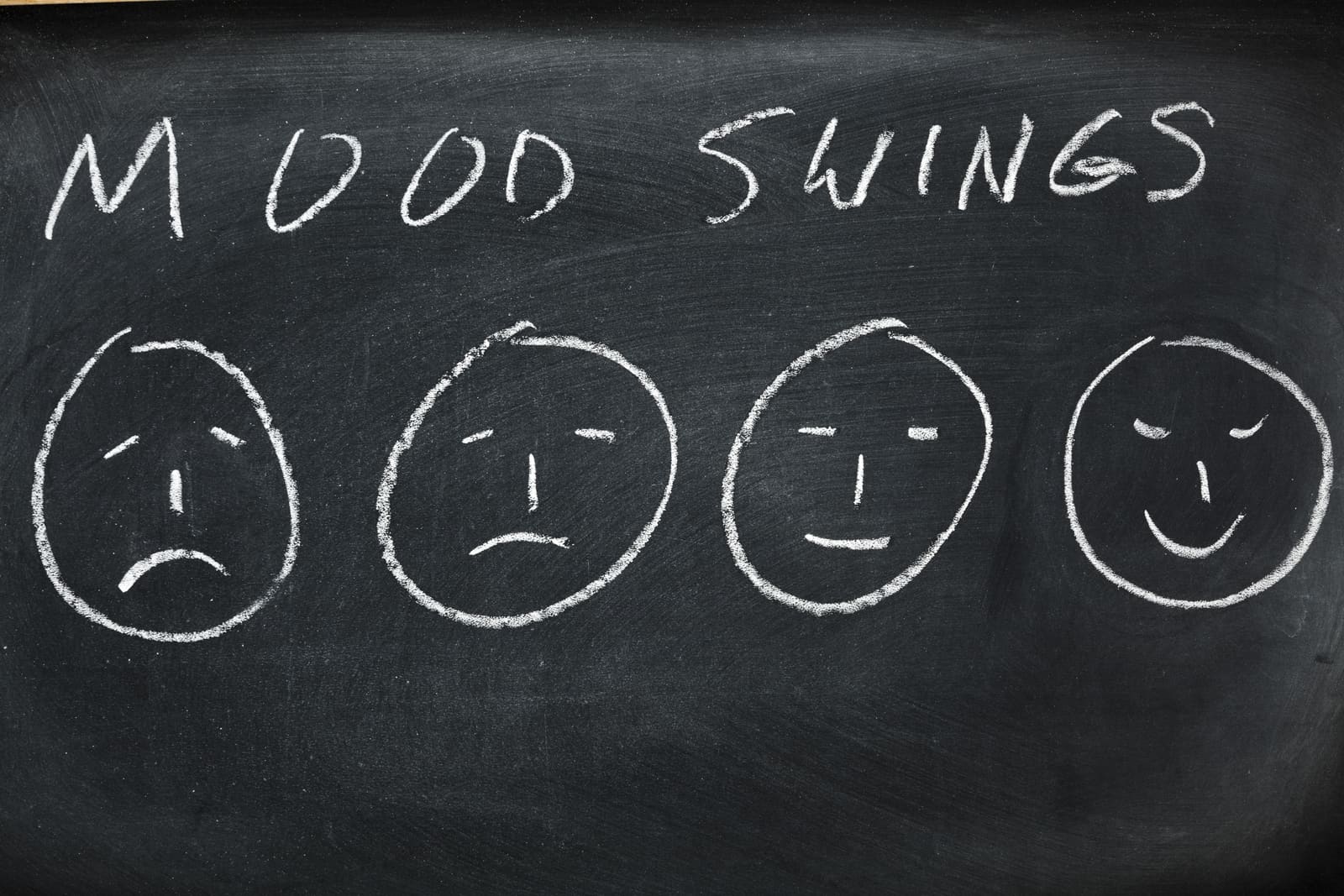
We’ve all experienced rapid changes in our mood at some time or another. We go from feeling sad to full of joy or happy to irritable and angry. Some days we feel mostly happy, other days we can feel anxious or down in the dumps. Nobody has a completely stable mood one way or the other, and fluctuations in our emotions and how we feel are a normal part of being human.
Persistent mood swings are a different story. If you or someone you know consistently has mood swings throughout the day, you may want to learn more. Well, you’re in luck! Below, we’ll dive into everything you need to know about mood swings; namely, what causes mood swings and how to cope with them.
What Are Mood Swings?
A mood swing is an abrupt change in mood. When it’s isolated or infrequent, it’s not uncommon. Mood swings are natural in response to stressful circumstances. For example, if you were just having a great day and then you got an email informing you that you lost your job or a call from your doctor with a medical condition diagnosis, an abrupt change of mood wouldn’t warrant any additional concern.
Mood swings become a problem when they are frequent and inhibit daily life. If somebody is constantly going from euphoria to a deep depression, their life will be thrown off and their quality of life will suffer. Furthermore, this could be indicative of a larger problem that is causing mood swings.
What Causes Mood Swings?
There are several causes of mood swings ranging from emotional, mental, and physical conditions. Mental health conditions and drug use can have a direct effect on mood resulting in mood swings.
Here are some common causes of mood swings:
- Drug use, including nicotine, alcohol, caffeine, and prescription medication.
- Poor sleep, oversleeping, and fatigue. Sleep has a direct effect on your mental and physical health and healthier sleep = a healthier body and mind.
- Seasonal changes – changes in the seasons can cause shifts in mood. Seasonal Affective Disorder (SAD) is a disorder characterized by a negative change in mood and energy levels starting in the fall and ending in the spring.
- Stressful events or circumstances.
- Mental Health conditions.
How Mental Health Conditions Contribute to Mood Swings
Severe mood swings may be a symptom of a larger problem like an existing mental health condition. Conditions like depression, anxiety, borderline personality disorder, and bipolar depression can result in someone experiencing frequent changes between highs and lows that have a great influence on overall mental health.
These mental health conditions can also make the mood swings caused by life events more severe. For example, a small disappointment for someone with bipolar disorder may send them into a depression lasting hours, days, or even weeks.
If you believe you may be suffering from a mental health condition, you should seek help from a medical professional. Describe your symptoms to your primary care physician and ask if they can recommend a psychiatrist or therapist.
Coping with Stress
If your mood swings are a result of stress rather than a mental health condition, you have to learn how to handle stress in order to control or lessen the impact of mood swings. Certain coping skills and stress management strategies can greatly reduce the impact of mood swings on your life.
Some coping skills include:
- Doing breathing exercises like meditation and Tai Chi.
- Participating in yoga or similar stretching exercises.
- Enjoying aromatherapy. Essential oils like lavender can help reduce levels of stress in the body and mind.
- Creating a regular sleep schedule. Going to bed and waking up at the same time every morning and night can do wonders for stabilizing the mind and your emotions. Create a bedtime routine that involves relaxing activities and try waking up to a more peaceful alarm like nature sounds or music.
- Avoiding caffeine, nicotine, and alcohol which can directly affect your mood.
- Participating in regular exercise – the power of exercise is amazing. It will improve your physical health, confidence, mental health, and even your sleep!
- Keeping a journal. Keeping track of your thoughts and mood swings in a journal can help you track what triggers your mood swings and when you usually get them. It can help you see how your sleep, diet, and activity are affecting your mood swings as well. Keep in mind that the Healthread app has a built-in journal feature that can help you track your moods.
Takeaway
Nobody likes to deal with mood swings, but just because you’ve been suffering from mood swings doesn’t mean it has to be this way forever. When in doubt, always speak to a medical professional and never underestimate the power of building small habits, like improving sleep hygiene and exercising regularly!
Información general, no consejo médico
Este artículo no puede tener en cuenta tu historial de salud ni tu tratamiento actual. Habla con un profesional sanitario cualificado antes de cambiar nada de tu cuidado.
Lee nuestro aviso médico →
En esta página
What Are Mood Swings?
What Causes Mood Swings?
How Mental Health Conditions Contribute to Mood Swings
Coping with Stress
Takeaway
Pon en práctica lo que lees
Controla tus medicamentos, consulta un síntoma y habla con personas que viven con la misma enfermedad, todo en Healthread.
Descargar la app
Sigue leyendo

Mental Health
Bipolar I vs. Bipolar II
Bipolar I and II are the most common types of mental health disorders. While they both share certain similarities, they have two key differences.
8 de agosto de 2024 · 3 min de lectura

Mental Health
Narcissistic Personality Disorder (NPD)
NPD is a mental health condition that is characterized by an inflated opinion of oneself. Someone who is narcissistic may feel more important than other people.
4 de mayo de 2024 · 3 min de lectura

Mental Health
What is Treatment-Resistant Depression?
Treatment-resistant depression is a form of major depressive disorder that fails to respond to the standard depression treatments involving taking an anti-depressant or going to psychotherapy.
3 de febrero de 2024 · 3 min de lectura


© 2026 Healthread
English · Español
Healthread no ofrece asesoramiento médico, diagnóstico ni tratamiento. Consulta siempre a un profesional sanitario cualificado sobre tu atención.