

Posttraumatic Stress Disorder (PTSD)
25 de marzo de 2020
3 min de lectura
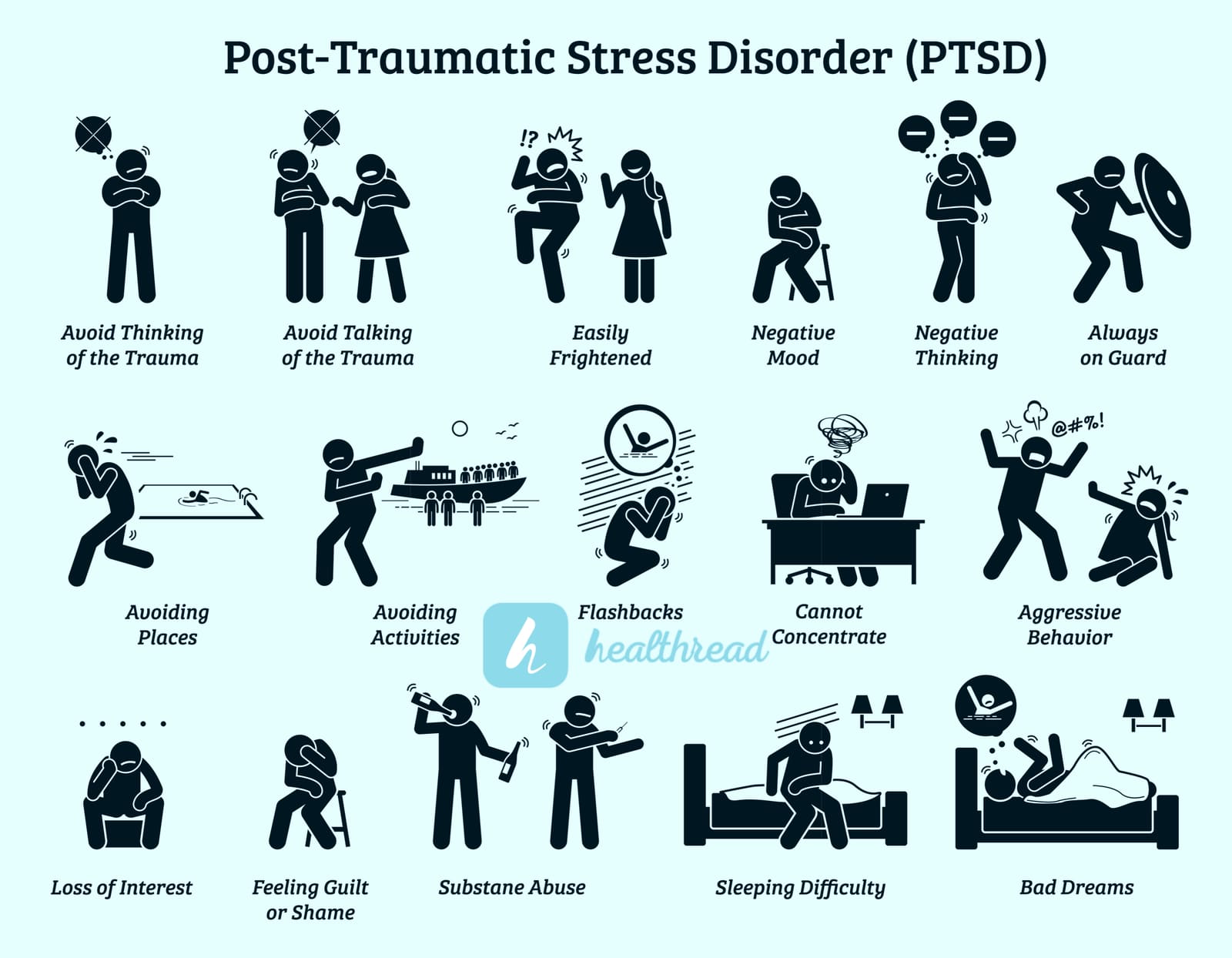
Posttraumatic stress disorder (PTSD) is a type of mental illness characterized by a collection of signs, symptoms, and behaviors occurring after a person witnesses or experiences a scary or traumatic event, such as a car accident, war, act of terrorism, or assault. According to Psychiatry.org, about 3.5 American adults live with the condition. Overall, up to 8 out of 100 people will develop PTSD at some point during their lifetime. It can affect people of all ages, including young children and older adults.
What Causes PTSD?
Initial exposure to a traumatic event is the key cause or trigger of PTSD. This exposure can be direct or indirect—e.g., a person is involved in a serious car crash (direct), or a person hears about the traumatic death of their loved one (indirect).
It's estimated that 1 in 3 people who experience severe trauma will develop PTSD. We don't know exactly why some people develop this condition and others don't. But research does point to a few risk factors that can make it more likely. These factors include:
- Having a history of mental illness or substance abuse disorder
- Lack of social support
- Female gender (women appear more likely to get PTSD than men)
- Genetic predisposition
- A history of prior trauma, especially in childhood
- Additional distress associated with the precipitating event (e.g., limb loss, job loss or financial strain, death of a loved one, etc.)
Researchers are still looking into the underlying causes or mechanisms of PTSD. Possible theories include structural and neurological changes in the brain (such as a smaller hippocampus, an area of the brain involved in emotion and memory), elevated stress hormone levels, and a faulty survival mechanism.
Signs and Symptoms of PTSD
Doctors tend to organize the signs and symptoms of PTSD into four main categories: intrusive memories, avoidance, negatively altered thinking and mood, and negatively altered physical and emotional reactions. Here are some examples from each category:
- Intrusive memories: recurring and unwanted memories or flashbacks of the event, distressing dreams about the event, severe emotional or physical reactions to things that resemble or remind you of the event (e.g., sudden loud noises)
- Avoidance: avoiding places, activities, and people that are reminders of the traumatic event
- Negatively altered thinking and mood: feeling hopeless, feeling detached or emotionally numb, difficulty maintaining close relationships, memory problems, loss of interest in previously enjoyable activities, impaired concentration
- Negatively altered physical and emotional reactions: hypervigilance (being "on edge" or trying to guard against danger), easily startled or frightened, acting recklessly (e.g., excessive drinking or speeding), impaired sleep, irritability, short temper, angry outbursts, an overwhelming sense of shame and guilt
These signs and symptoms can show up right away after a traumatic event or after a delayed period. Treatment is so important for helping a person manage these symptoms and improve their quality of life.
Diagnosing and Treating PTSD
There is hope for people living with PTSD, as well as their loved ones who are affected by it, too. The first step toward healing and managing this or any mental illness is receiving appropriate diagnosis. For PTSD, a person must have all four of the following for at least one month:
- One or more re-experiencing symptom
- One or more avoidance symptom
- Two or more arousal and reactivity symptoms
- Two or more cognition and mood symptoms
After getting an appropriate diagnosis, individualized treatment can begin. Evidence-backed treatment for PTSD includes a combination of medications and psychotherapy. Additional interventions like meditation and exercise are also shown to help people manage their PTSD symptoms and improve quality of life.
Any other underlying health conditions, such as substance abuse problems or chronic pain, should also be addressed in order to help a person with PTSD reduce stress and manage their physical and mental well-being. Additionally, loved ones and family members of people with PTSD can also be affected, so they will benefit from support and basic self-care strategies, too.
Did you or someone you know have a traumatic experience and are now dealing with uncomfortable signs and symptoms that affect your mood, thinking, and behaviors? Ask for help. Untreated PTSD can lead to serious consequences including relationship dissatisfaction, divorce, chronic pain, drug and alcohol abuse, depression, and even suicide.
And remember: you're not in this alone. To connect with and learn from other people and their loved ones affected by PTSD, visit Healthread.com today.
Source
- 1psychiatry.org/patients-families/ptsd/what-is-ptsd
- 2journals.sagepub.com/doi/10.1177/0033294119828036
- 1apa.org/research/action/ptsd
- 2ptsd.va.gov/publications/print/understandingptsd_family_booklet.pdf
- 3ptsd.va.gov/understand/common/common_adults.asp
- 4nhs.uk/conditions/post-traumatic-stress-disorder-ptsd/causes/
- 5nimh.nih.gov/health/topics/post-traumatic-stress-disorder-ptsd/index.shtml
- 6mayoclinic.org/diseases-conditions/post-traumatic-stress-disorder/symptoms-causes/syc-20355967
Información general, no consejo médico
Este artículo no puede tener en cuenta tu historial de salud ni tu tratamiento actual. Habla con un profesional sanitario cualificado antes de cambiar nada de tu cuidado.
Lee nuestro aviso médico →
Pon en práctica lo que lees
Controla tus medicamentos, consulta un síntoma y habla con personas que viven con la misma enfermedad, todo en Healthread.
Descargar la app
Sigue leyendo

Mental Health
Bipolar I vs. Bipolar II
Bipolar I and II are the most common types of mental health disorders. While they both share certain similarities, they have two key differences.
8 de agosto de 2024 · 3 min de lectura

Mental Health
Narcissistic Personality Disorder (NPD)
NPD is a mental health condition that is characterized by an inflated opinion of oneself. Someone who is narcissistic may feel more important than other people.
4 de mayo de 2024 · 3 min de lectura

Mental Health
What is Treatment-Resistant Depression?
Treatment-resistant depression is a form of major depressive disorder that fails to respond to the standard depression treatments involving taking an anti-depressant or going to psychotherapy.
3 de febrero de 2024 · 3 min de lectura


© 2026 Healthread
English · Español
Healthread no ofrece asesoramiento médico, diagnóstico ni tratamiento. Consulta siempre a un profesional sanitario cualificado sobre tu atención.