

Reasons your Anxiety/Depression medications May Not Be Working to Their Fullest
23 de mayo de 2021
3 min de lectura
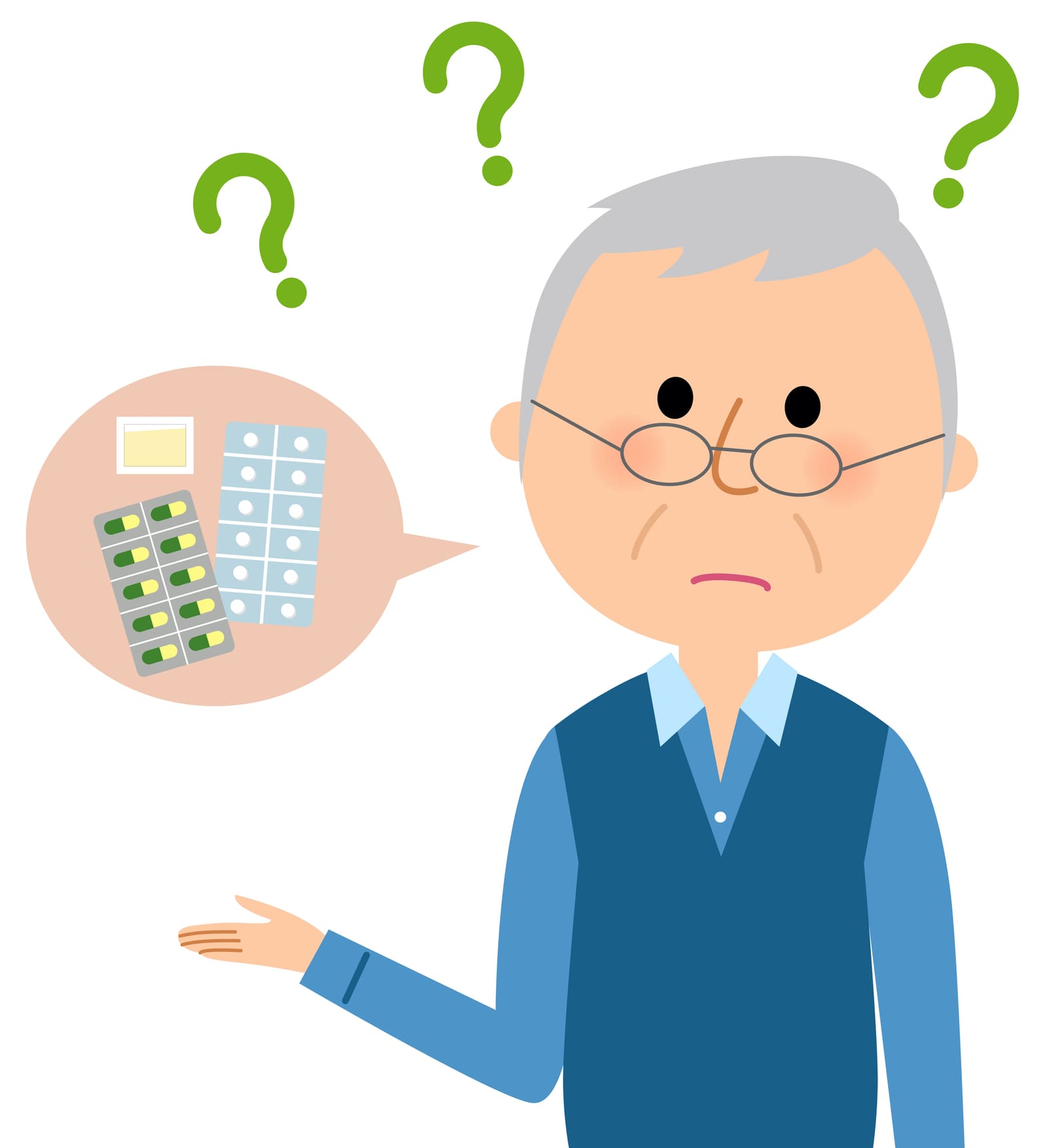
Medications can greatly improve symptoms for people who experience anxiety and/or depression. For most people, these medications are very effective at managing the changes in energy, sleep problems, mood swings, muscle tension, and other symptoms of anxiety and depression. Unfortunately, medications may not always work to their fullest for some people.
Nearly one-third of people with a major depressive disorder have symptoms that do not respond to treatment. Doctors often refer to this as treatment-resistant depression or anxiety.
6 Factors that Affect How Well Your Anxiety/Depression Medications Work
A number of factors can increase the risk for treatment-resistance. Some are controllable – simply making a few lifestyle changes can make your anxiety/depression medications work better. Other risk factors may be out of your control.
Here are the top 6 reasons why your medication for anxiety or depression may not be working as well as it should.
1. New stress
Stress is an inevitable part of life – everyone is in a stressful situation now and then. Chronic stress can lead to anxiety and depression; adding new stress on top of chronic stress can worsen your symptoms of anxiety and depression. If the new stress is significant enough, or continues long enough, your antidepressant or anxiety medication may not be able to compensate.
2. Drug or alcohol use
The use of alcohol or illicit drugs can trigger strong mood changes that make antidepressants and anti-anxiety medications ineffective. Using drugs or alcohol regularly can create both short- and long-term changes in the brain that can lead to depression, anxiety and other mental health issues. The National Institute on Drug Abuse says the following drugs can have this effect:
- Cocaine
- Inhalants – chemical vapors that induce a psychoactive, or mind-altering, effect
- Ketamine – a hallucinogen
- Kratom – used to lift mood or relieve pain
- LSD
- Marijuana
- MDMA – a stimulant also known as Ecstasy or Molly
- Methamphetamine
- PCP
- Prescription drugs
- Steroids (appearance- and performance-enhancing drugs)
3. Tolerance
Medications work to reduce symptoms by triggering a physiological response in the body. Over time, the body may become tolerant to the medication and stop responding as well. If you and your doctor agree that your symptoms are returning because you have built up a tolerance to your medication, your doctor may suggest increasing your dosage or switching to a new prescription.
4. Pregnancy
Pregnancy causes changes in your body weight and the amount of blood in your body, and these changes may affect how well your anxiety or depression medications are working. If you are pregnant and you are experiencing an increase in your symptoms, speak with your doctor. In some cases, you and your doctor may decide to stop or change your medications; you should never stop or change the way you take any prescription medication unless your doctor tells you to.
5. Another medical condition
6. Other medications
Interactions between depression or anxiety drugs and other types of medications can prevent antidepressants and anti-anxiety drugs from working their best. Research shows that a common non-prescription painkiller, known as non-steroidal anti-inflammatory drugs (NSAIDs), can reduce the effectiveness of SSRIs.
In many cases, though, antidepressants and anxiety medications sometimes stop working for no apparent reason – and researchers are still working to understand why. If your prescription for anxiety or depression isn’t working as well as it should, consult with your doctor.
Sources
Información general, no consejo médico
Este artículo no puede tener en cuenta tu historial de salud ni tu tratamiento actual. Habla con un profesional sanitario cualificado antes de cambiar nada de tu cuidado.
Lee nuestro aviso médico →
En esta página
6 Factors that Affect How Well Your Anxiety/Depression Medications Work
1. New stress
2. Drug or alcohol use
3. Tolerance
4. Pregnancy
5. Another medical condition
6. Other medications
Sources
Pon en práctica lo que lees
Controla tus medicamentos, consulta un síntoma y habla con personas que viven con la misma enfermedad, todo en Healthread.
Descargar la app
Sigue leyendo

Mental Health
Bipolar I vs. Bipolar II
Bipolar I and II are the most common types of mental health disorders. While they both share certain similarities, they have two key differences.
8 de agosto de 2024 · 3 min de lectura

Mental Health
Narcissistic Personality Disorder (NPD)
NPD is a mental health condition that is characterized by an inflated opinion of oneself. Someone who is narcissistic may feel more important than other people.
4 de mayo de 2024 · 3 min de lectura

Mental Health
What is Treatment-Resistant Depression?
Treatment-resistant depression is a form of major depressive disorder that fails to respond to the standard depression treatments involving taking an anti-depressant or going to psychotherapy.
3 de febrero de 2024 · 3 min de lectura


© 2026 Healthread
English · Español
Healthread no ofrece asesoramiento médico, diagnóstico ni tratamiento. Consulta siempre a un profesional sanitario cualificado sobre tu atención.