

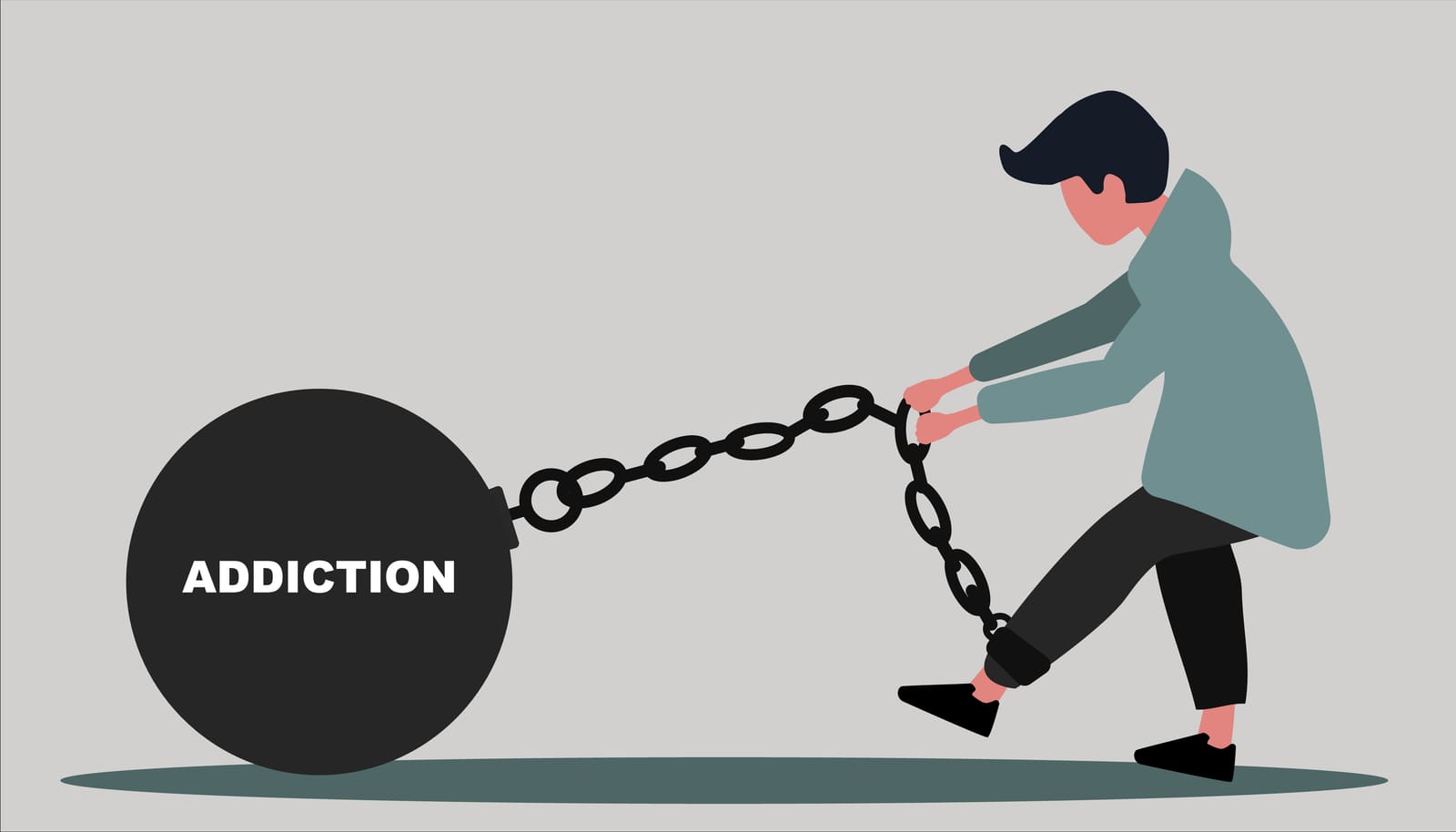
Are you worried that someone you love has become addicted to drugs and alcohol? Are you concerned that you are addicted?Recognizing an addiction in someone you care about – or even in yourself – is harder than it may seem.
Also known as a substance use disorder, an addiction is something a person is compelled to do, even though they realize the harm it causes. More than 20 million people in the United States have a substance use disorder. Most people with an addiction do not receive the treatment they need.
Addiction is not just a behavioral problem in which someone can simply choose whether or not to use drugs or alcohol – it is a disease that causes changes to the brain. These brain changes alter the way the person thinks, feels, and behaves. Recognizing these changes is not always easy, but it is important. More than 96,000 Americans die from drug overdoses each year, and many of these deaths are the result of addiction.
Fortunately, addiction is a treatable condition, but treatment can only begin after an accurate diagnosis of addiction has been made.
Addiction Comes in Many Forms
While illicit drugs are the first thing that comes to mind when people think of substance abuse and addiction, someone can be addicted to nicotine and tobacco, alcohol, legal drugs and medications, and even inhalants, such as spray paints or oven cleaners.
People can even behavioral addictions, which are as serious as substance addictions and just as hard to recognize. Both behavioral and substance addictions can have negative consequences.
Types of behavioral addictions include:
- Gambling
- Sex
- Shopping
- Working
- Video games
- Using the internet
Signs of Addiction
Spotting signs of addiction is not always easy, especially if the person goes to great lengths to hide their substance abuse. Still it is important, as identifying an addiction is the first step to getting help for yourself or guiding someone else to seek rehabilitation.
Look for changes in personality and behavior
Addiction makes brain changes that ensure the person remains addicted. People with addictions tend to surround themselves with others who encourage their habits, for example, and try to explain away their behavior when confronted.
Other behavioral changes include:
- Fading interest in hobbies and activities that was once important to them
- Neglecting important relationships with family, friends, and at the workplace
- Pushing away those closest to them
- Ignoring important obligations, such as work or taking care of their family
- Exhibiting risk-taking tendencies, especially when it involves getting drugs or engaging in drug-related behaviors
- Ignoring the negative consequences their actions have had on their lives and the lives of others
- Noticeable changes in sleeping habits, or chronic fatigue from those changes
- Keeping secrets or lying about the amount of substance used or time spent using substances
Be aware of the following physiological changes
Addiction almost always leads to poor mental and physical health, as it requires the individual to repeat an unhealthy behavior to the point of taking a toll on their mind and body.
Physical signs of addiction can include:
- Glazed or bloodshot eyes – drugs can cause dilation of blood vessels on the surface of eyes
- Constantly being ill – abstaining from drugs or alcohol can cause withdrawal symptoms that mimic influenza and other illnesses
- Unexplained injuries – drugs and alcohol can impair judgement, vision, and coordination, thereby increasing the risk of injuries
- Sudden weight changes – drug or alcohol abuse often causes sudden weight loss, but they can lead to abrupt weight gain
- Bad skin, teeth, hair and nails – drugs can cause inflammation, acne, pale skin, scarring and sores to cause skin problems; methamphetamines and other drugs can cause gum infections, tooth decay, and tooth loss
- Increased tolerance to drugs – the body becomes tolerant to drugs and alcohol; watch for the ability to drink more or do more drugs
- Physical withdrawal symptoms – drugs and alcohol can cause physical dependence, which means the individual experiences sweating, trembling, or vomiting when they stop using
- Memory loss – doing drugs or drinking excessively can cause “blackouts” and other memory issues
- Change in speech – such as rambling or slurred words
Note the mental signs of addiction
Mental signs of addition may include:
- Sudden mood swings
- Aggressive behavior
- Irritability or apathy
- Depression
- Suicidal thoughts
For more information on the signs of addiction, consult with a doctor or mental health professional. The earlier you can identify and secure treatment, the sooner you or your loved one can return to a normal life.
Información general, no consejo médico
Este artículo no puede tener en cuenta tu historial de salud ni tu tratamiento actual. Habla con un profesional sanitario cualificado antes de cambiar nada de tu cuidado.
Lee nuestro aviso médico →
En esta página
Addiction Comes in Many Forms
Signs of Addiction
Look for changes in personality and behavior
Be aware of the following physiological changes
Note the mental signs of addiction
Pon en práctica lo que lees
Controla tus medicamentos, consulta un síntoma y habla con personas que viven con la misma enfermedad, todo en Healthread.
Descargar la app
Sigue leyendo

Mental Health
Bipolar I vs. Bipolar II
Bipolar I and II are the most common types of mental health disorders. While they both share certain similarities, they have two key differences.
8 de agosto de 2024 · 3 min de lectura

Mental Health
Narcissistic Personality Disorder (NPD)
NPD is a mental health condition that is characterized by an inflated opinion of oneself. Someone who is narcissistic may feel more important than other people.
4 de mayo de 2024 · 3 min de lectura

Mental Health
What is Treatment-Resistant Depression?
Treatment-resistant depression is a form of major depressive disorder that fails to respond to the standard depression treatments involving taking an anti-depressant or going to psychotherapy.
3 de febrero de 2024 · 3 min de lectura


© 2026 Healthread
English · Español
Healthread no ofrece asesoramiento médico, diagnóstico ni tratamiento. Consulta siempre a un profesional sanitario cualificado sobre tu atención.