

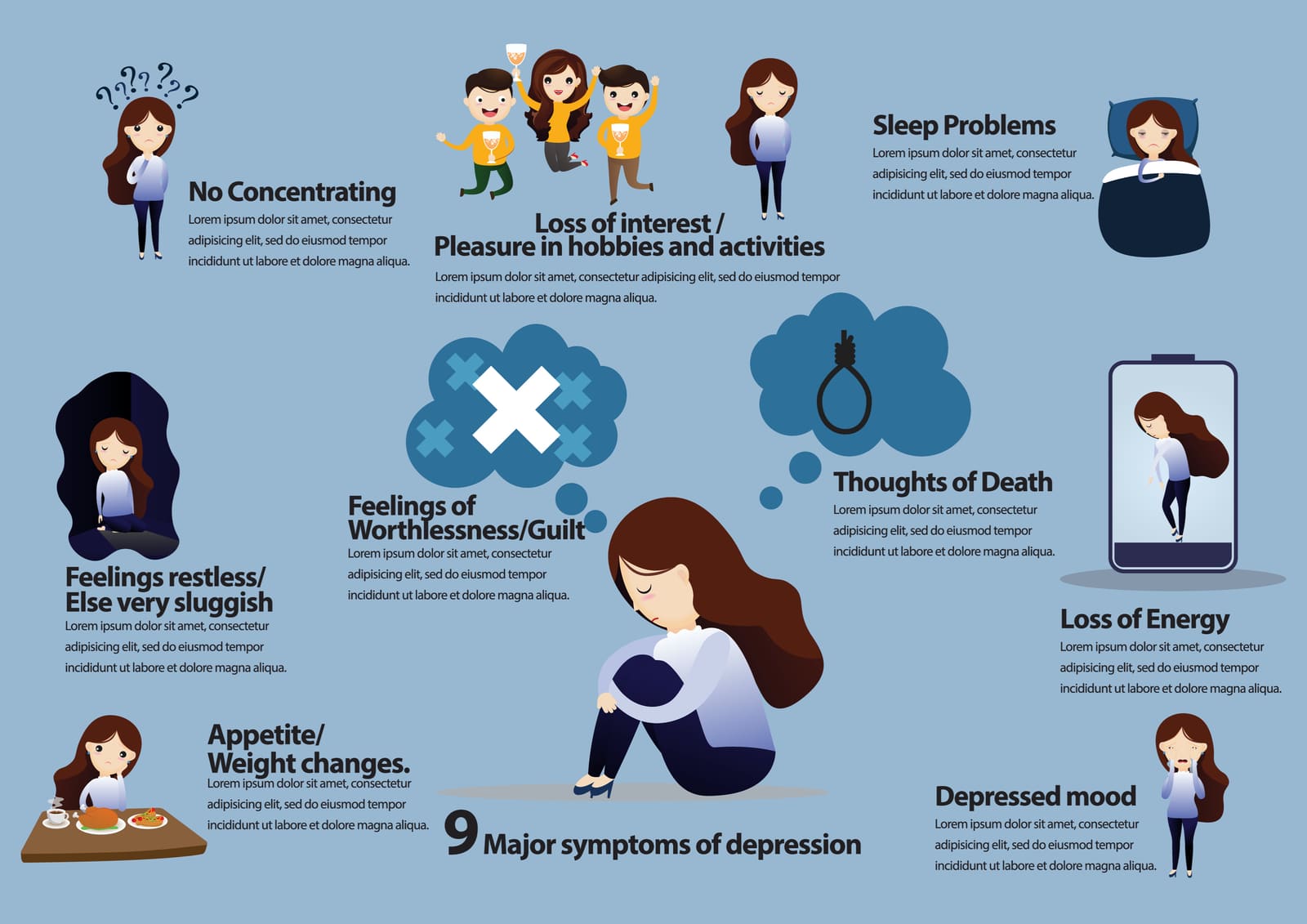
Around 130 Americans lose their lives every day to suicide. Across the world, about 800,000 to 1 million people commit suicide every year. It can be hard to imagine the amount of pain and distress a person must feel in order to be driven to self-harm. But becoming more informed about suicide is an important step we all can take to save more lives.
For suicidal individuals, ending their lives can seem like the only option to end their suffering—meanwhile, reaching out for support can seem like an insurmountable task. Raising awareness about this condition can help reduce stigma and make it easier for people to seek help. With this in mind, keep reading to learn some important facts about suicide. It may help you save a life—even your own.
3 Things to Know About Suicide
1. There Are Risk Factors
Suicide victims come from all walks of life, all cultures, all socioeconomic and health backgrounds, and all ages. Despite these differences, there are common risk factors that may make a person more likely to attempt or commit suicide:
- Mental health conditions including posttraumatic stress disorder, anxiety disorders, depression, personality disorders, and schizophrenia
- Substance use disorders, including alcohol use disorders
- Having aggressive or impulsive tendencies
- Having major or chronic physical illnesses
- History of trauma (e.g., abuse, war, extreme poverty)
- Family history of suicide, or exposure to others who have committed suicide (e.g., within a person's own social circle, geographic area, or the media)
- Extreme hardship, such as the loss of a relationship, loved one, job, or income
- Easy access to lethal tools (e.g., firearms)
- Lack of social support or access to treatment for chronic physical and mental health conditions
- A sense of isolation or hopelessness
- Cultural and religious beliefs
2. There Are Warning Signs
The following signs—especially if they recently increased or developed after a painful experience or loss—can indicate a person is thinking about or planning suicide. Immediate help should be sought if you or a loved one:
- Talks about feeling hopeless, having unbearable pain, or having no reason to live
- Has extreme mood swings or has agitation and rage
- Withdraws socially and self-isolates
- Increases the use of drugs and alcohol
- Exhibits reckless behavior
- Starts sleeping too much or too little
- Talks about being a burden to others
- Talks about wanting to die or commit suicide
- Starts to make a plan, such as buying a gun online
3. There Are Ways to Help
Expressing your concerns to someone about suicide warning signs is not going to "push" them to commit suicide. In fact, talking openly and honestly about suicide can help save a life. In other words: if you suspect someone you know is thinking about suicide, talk to them about it or call the Suicide Prevention Lifeline for guidance.
Here are some do's and don'ts of helping someone who is suicidal:
- Do ask direct questions, while staying respectful and sensitive (e.g., Are you thinking about suicide? Do you ever feel like just giving up? Have you thought about how or when you'd do it? )
- Do offer to help them—look up suicide resources, help with a chore, etc.
- Do not promise to keep their suicidal thoughts a secret
- Do not try to minimize their pain or make it seem as if things they are upset about "aren't a big deal"
- Do acknowledge their feelings—after all, suicidal feelings are very real and intense, even if they come from illogical thinking due to an extreme reaction to grief, distress, pain, and despair
- If possible, DO remove potentially dangerous items from the home
What about helping yourself? If you have a history of suicidal thoughts or attempts, or are currently experiencing them, get help from a professional and/or reach out to someone you trust. If you take any medications, be sure to take them as directed, and avoid drugs and alcohol.
If you're in crisis, call the Suicide Prevention Lifeline now at 1-800-273-8255. to get confidential 24/7 support. You can also try the Crisis Text Line by texting HOME to 741741. This is a free text messaging resource offering 24/7 support to anyone in crisis. If you feel like you are about to commit suicide and are unable to stop yourself, call 911. You won't get in trouble—you'll get help.
We also want you to know there are many people out there whose lives have been touched by suicide. If you've lost a loved one or are struggling with your own mental health, we invite you to join us at Healthread. Our mission to is to create a community of healing and helpful resources—and stories like yours are an important part of that mission.
For more suicide prevention resources, you can also visit:
- International Association for Suicide Prevention (search for a crisis center in your area)
Sources
Información general, no consejo médico
Este artículo no puede tener en cuenta tu historial de salud ni tu tratamiento actual. Habla con un profesional sanitario cualificado antes de cambiar nada de tu cuidado.
Lee nuestro aviso médico →
En esta página
3 Things to Know About Suicide
1. There Are Risk Factors
2. There Are Warning Signs
3. There Are Ways to Help
Sources
Pon en práctica lo que lees
Controla tus medicamentos, consulta un síntoma y habla con personas que viven con la misma enfermedad, todo en Healthread.
Descargar la app
Sigue leyendo

Mental Health
Bipolar I vs. Bipolar II
Bipolar I and II are the most common types of mental health disorders. While they both share certain similarities, they have two key differences.
8 de agosto de 2024 · 3 min de lectura

Mental Health
Narcissistic Personality Disorder (NPD)
NPD is a mental health condition that is characterized by an inflated opinion of oneself. Someone who is narcissistic may feel more important than other people.
4 de mayo de 2024 · 3 min de lectura

Mental Health
What is Treatment-Resistant Depression?
Treatment-resistant depression is a form of major depressive disorder that fails to respond to the standard depression treatments involving taking an anti-depressant or going to psychotherapy.
3 de febrero de 2024 · 3 min de lectura


© 2026 Healthread
English · Español
Healthread no ofrece asesoramiento médico, diagnóstico ni tratamiento. Consulta siempre a un profesional sanitario cualificado sobre tu atención.