

Suicide Awareness - Signs of and What to do
19 de julio de 2020
5 min de lectura
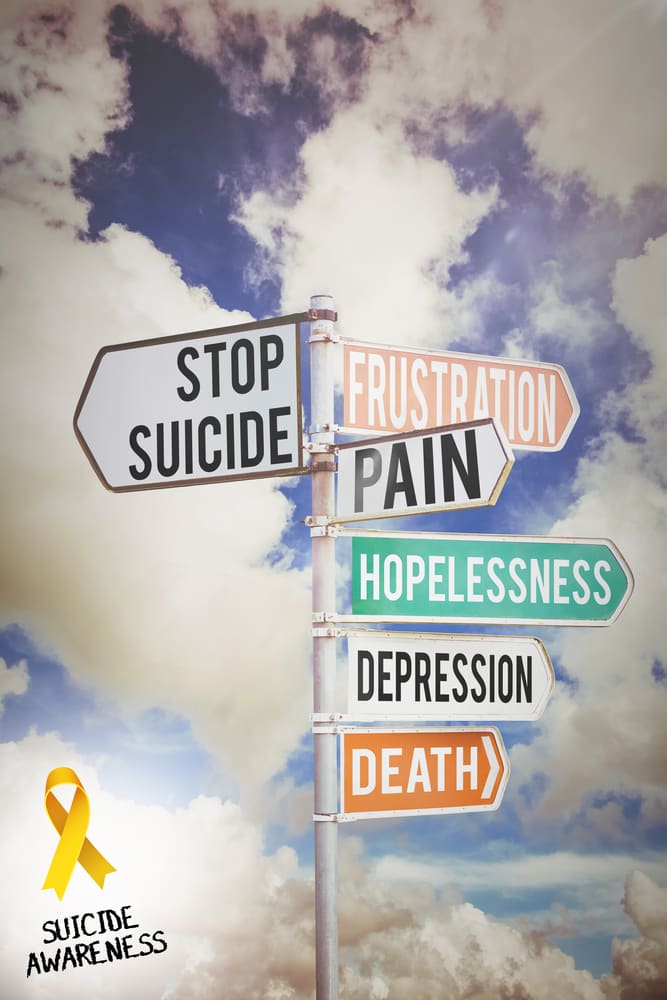
Suicide is a difficult topic to talk about. But as difficult as it can be to talk about, it's incredibly important that we do. Having conversations, learning about it, and raising awareness it is an important part of reducing stigma, which prevents many people from seeking help in their moments of greatest need.
Here are four things you may not know about suicide but are worth learning. By educating yourself and becoming a suicide prevention advocate, you truly may help save a life.
1. People Who Are Contemplating Suicide Often Show Signs (And Some are Easy to Miss)
In many cases, a person who is feeling suicidal may not want to talk about their feelings. But there are warning signs you can look out for. According to Suicide Awareness Voices of Education (SAVE), these include:
- Talking about wanting to die or to kill oneself
- Looking for a way to kill oneself
- Talking about feeling hopeless or having no purpose
- Talking about feeling trapped or being in unbearable pain
- Talking about being a burden to others
- Increasing the use of alcohol or drugs
- Acting anxious, agitated, or reckless
- Sleeping too little or too much
- Withdrawing or feeling isolated
- Showing rage or talking about seeking revenge
- Displaying extreme mood swings
2. There's Many Reasons Why People Attempt Suicide
We don't yet know whether the COVID-19 pandemic will lead to an increase in suicide in our country. But the fallout from the ongoing pandemic—including a global economic crisis, massive unemployment rates, and immense mental and emotional strain—has been called a "perfect storm" for suicidal thoughts, according to some experts.
Though it's yet to be seen what the relationship between COVID-19 and suicide will look like, we do know there are several common reasons that can drive a person to ending or attempting to end their own lives. These include:
- They feel depressed, hopeless, and helpless
- They experienced an immense loss or challenging change of life (e.g., divorce, bankruptcy, serious illness, loss of a loved one)
- They have psychosis or an undiagnosed mental illness
- They are crying out for help
- They are impulsive (especially if under the influence of drugs or alcohol)
Incredibly, pharmacology may be at play, too. According to one systematic review, antidepressant medications may increase the incidence of events that can lead to suicide in otherwise healthy adults. (This doesn't mean you should stop taking your medication if you're currently on antidepressants. But you are encouraged to talk to your doctor about your risks and concerns.)
Of course, the factors that drive one person to consider suicide is highly personable. But being aware of the potential drivers may help you recognize the warning signs in a loved one sooner.
3. Suicide is More Common Than You May Think
Suicide is the 10th leading cause of death in the United States, according to the Centers for Disease Control and Prevention (CDC). Suicide is also highly prevalent in other parts of the world, and ranks in the top ten causes of death in countries like Japan and the United Kingdom. Suicide is also more common in certain age groups than others, including adults between the ages of 20 and 34.
While suicide and suicidal thoughts can affect anyone, men die of suicide over three and half times more often than women, according to the American Foundation for Suicide Prevention. Rates are also higher among Caucasians/Whites, American Indians, and Alaska Natives.
Overall, about 132 Americans lose their lives to suicide every day, and over 1.4 million suicide attempts are made every year. There is 1 suicide for every 25 suicide attempts, and 1 suicide for every 4 suicide attempts among elderly adults.
Don't forget: there are also millions of suicide survivors. This includes people who attempted suicide but did not take their own lives, as well as the loved ones of suicide victims who are left to grieve their loss.
Lastly, while the human cost of this health problem is hard to imagine, the economic cost is clearly immense. In 2015 alone, suicide and self-harm cost the U.S. more than $69 billion.
4. If You're Concerned for a Loved One, Be Kind, Be Direct, and Be Helpful
So, what should you do if you think a loved one is thinking about suicide?
Believe it or not, experts say it's better to be honest and up front about your concerns rather than to "beat around the bush." This may be uncomfortable to do, but according to Mayo Clinic, using a sensitive yet direct approach is the most effective way to de-escalate suicidal thoughts and encourage people to seek help. It shows you care and are willing to be a support system, and it may help your loved one open up to a conversation they haven't been able or willing to bring up.
And despite what you may worry, asking direct questions will not push someone to hurt themselves.
Here are a few simple tips to keep in mind if find you ever find yourself needing to talk to a loved one about suicide:
- Educate yourself and find out about suicide prevention and mental health resources in your area (if your loved one is suicidal, you can offer to help them access these resources, such as driving them to a mental health appointment)
- Whenever possible, bring up your concerns while in a safe, private, and comforting environment
- Ask direct, open-ended questions like "Are you thinking about killing yourself?", "How are you coping with what's been happening in your life?," "Do you ever feel like just giving up?", "Have you ever thought about suicide before?", "Do you have access to weapons or things that can be used as weapons to harm yourself?", and "Have you thought about how or when you'd do it?"
- If you're unsure about what to do and would like additional help, consider calling a suicide prevention hotline where you can receive confidential counseling and guidance 24/7
- If you are concerned that your loved one is immediate danger of harming themselves, call 911 immediately
Suicide can be stopped. If you or someone you know are in crisis or are thinking about suicide, there are people who are standing by ready to listen and offer their support and free anonymous resources. Any time, any day. Call the National Suicide Prevention Hotline at 1-800-273-8255.
For additional resources on suicide, check out:
- Lifeline USA: 1-800-273-8255 OR Text SIGNS to 741741
- National Alliance on Mental Illness (this article offers some wonderful guidelines and suggestions on how to talk about suicide with a loved one)
Sources
- 1cdc.gov/nchs/fastats/leading-causes-of-death.htm
- 2save.org/about-suicide/suicide-facts/
- 3pharmaceutical-journal.com/news-and-analysis/news/antidepressants-associated-with-increased-risk-of-suicidal-thoughts-in-healthy-adults/20201834.article?firstPass=false
- 4healthdata.org/japan
- 5ons.gov.uk/peoplepopulationandcommunity/healthandsocialcare/causesofdeath/articles/leadingcausesofdeathuk/2001to2018
- 6afsp.org/suicide-statistics/
- 7nami.org/Blogs/NAMI-Blog/September-2019/How-to-Ask-Someone-About-Suicide
- 8psychologytoday.com/us/blog/happiness-in-world/201004/the-six-reasons-people-attempt-suicide
Información general, no consejo médico
Este artículo no puede tener en cuenta tu historial de salud ni tu tratamiento actual. Habla con un profesional sanitario cualificado antes de cambiar nada de tu cuidado.
Lee nuestro aviso médico →
En esta página
1. People Who Are Contemplating Suicide Often Show Signs (And Some are Easy to Miss)
2. There's Many Reasons Why People Attempt Suicide
3. Suicide is More Common Than You May Think
4. If You're Concerned for a Loved One, Be Kind, Be Direct, and Be Helpful
Sources
Pon en práctica lo que lees
Controla tus medicamentos, consulta un síntoma y habla con personas que viven con la misma enfermedad, todo en Healthread.
Descargar la app
Sigue leyendo

Mental Health
Bipolar I vs. Bipolar II
Bipolar I and II are the most common types of mental health disorders. While they both share certain similarities, they have two key differences.
8 de agosto de 2024 · 3 min de lectura

Mental Health
Narcissistic Personality Disorder (NPD)
NPD is a mental health condition that is characterized by an inflated opinion of oneself. Someone who is narcissistic may feel more important than other people.
4 de mayo de 2024 · 3 min de lectura

Mental Health
What is Treatment-Resistant Depression?
Treatment-resistant depression is a form of major depressive disorder that fails to respond to the standard depression treatments involving taking an anti-depressant or going to psychotherapy.
3 de febrero de 2024 · 3 min de lectura


© 2026 Healthread
English · Español
Healthread no ofrece asesoramiento médico, diagnóstico ni tratamiento. Consulta siempre a un profesional sanitario cualificado sobre tu atención.