

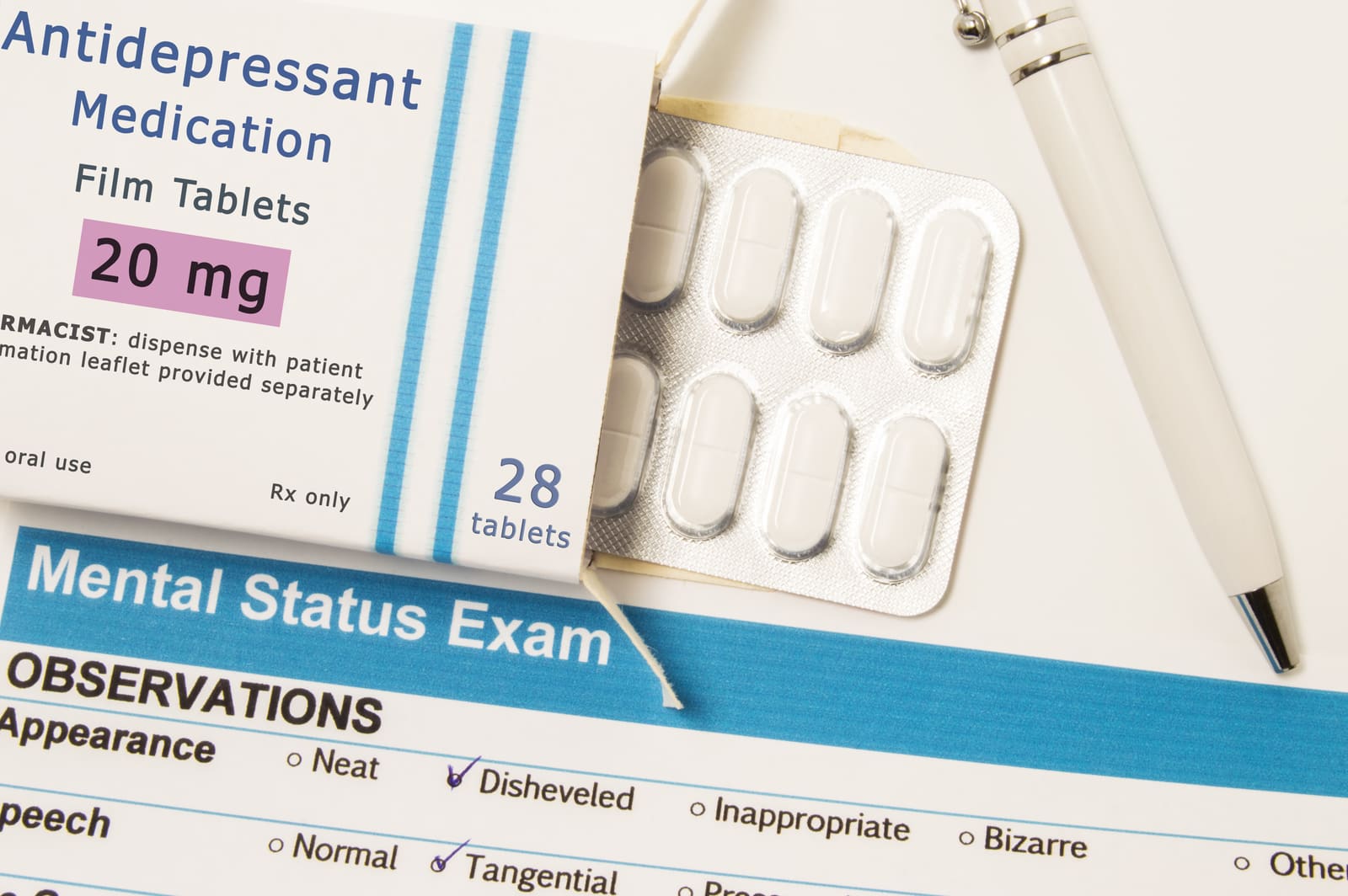
Antidepressants are prescription medicines used to treat the symptoms of depression in people.
Depression is a medical disorder that affects the chemical balances, disrupting the brain’s normal functioning. Antidepressants work by correcting the chemical imbalances in the brain, improving the brain’s functioning.
Types of Anti-depressants
Based on how the medications affect the chemicals in the brain, antidepressants can be grouped into five different types.
Each type of anti-depressants includes medicines with their unique side effects, molecular structure, and mechanics of actions that influence how the drug is absorbed and tolerated by different people.
The five major types of antidepressants are:
Selective Serotonin Reactive Inhibitors (SSRIs)
Collectively known as reuptake inhibitors, the antidepressants work by preventing the reabsorption of neurotransmitters into the body.
Developed during the 1970s, SSRIs prevent the reuptake of neurotransmitters, especially serotonin, and make them more active and available in the brain.
Some examples of the antidepressants include:
- Prozac (fluoxetine)
- Lexapro (escitalopram)
- Zoloft (sertraline)
- Celexa(citalopram)
- Luvox(fluvoxamine)
- Paxil(paroxetine)
- Viibryd(vilazodone)
SSRIs are an improved version of the older antidepressants with fewer side effects. They have side effects like sexual dysfunction, insomnia, nervousness, nausea, and tremors in patients.
The medicines are also powerful in helping with stroke recovery.
Tricyclic Antidepressants (TCAs)
Discovered in the 1950s, tricyclic antidepressants belong to the older class of antidepressants. The chemical structure of the drugs is made of three interconnected rings of atoms, which gives the medicine its name.
Tricyclic antidepressants work by blocking the absorption of norepinephrine and serotonin to the nerve cells. The medicine also prevents the reuptake of acetylcholine, another neurotransmitter that regulates the movement of skeletal muscles.
Some of examples of TCA include:
- Sinequan (doxepin)
- Norpramin (desipramine)
- Elavil (amitriptyline)
- Vivactil (protriptyline)
- Pamelor(nortriptyline)
- Asendin (amoxapine)
- Tofranil (imipramine)
- Anafranil (clomipramine)
- Surmontil (trimipramine)
Some common side effects from the class of antidepressants include blurry vision, drowsiness, weight gain, constipation, dizziness, and dry mouth.
Other than treating depression, tricyclic antidepressants treat attention deficit hyperactivity (ADHD) in children, except they are now replaced with modern medicines with fewer side effects.
TCA is also an effective medication for treating chronic pain.
Serotonin and Norepinephrine Reuptake Inhibitors (SNRIs):
First approved by the FDA in 1993, the antidepressants work similarly to SSRIs.Only that they prevent the reabsorption of both serotonin and norepinephrine.
The increased levels of norepinephrine with serotonin work best in people suffering from slowing thought and physical movement, also known as psychomotor retardation.
Some examples of SNRI are:
- Pristiq (desvenlafaxine)
- Fetzima (levomilnacipran)
- Effexor (venlafaxine)
- Savella (milnacipran)
- Cymbalta (duloxetine)
Serotonin and norepinephrine reuptake inhibitors can have side effects like constipation, fatigue, dry mouth, and nausea.
Other than depression, SNRIs can treat post-traumatic stress disorders, panic disorders, social anxiety disorders, and nerve pain from fibromyalgia. Some SNRIs like Cymbalta can be used to treat chronic pain in patients.
Monoamine Oxidase Inhibitors (MAOIs)
First discovered in the 1950s, Monoamine oxidase inhibitors were one of the first antidepressants developed. The medicine works by blocking the working of an enzyme called monoamine oxidase, which functions by breaking down monoamines.
Blocking the enzymes allows increased availability of neurotransmitters for mood regulation.
Here are some examples of MAOIs:
- Nardil (phenelzine)
- Parnate (tranylcypromine)
- Emsam (selegiline)
- Marplan (isocarboxazid)
MAOIs are highly reactive to foods higher in tyramine. Inappropriate drug usage can cause tyramine to rise, causing a rise in blood pressure. For this reason, treatment involving MAOIs requires dietary restrictions.
Some other side effects of this antidepressant are nausea, restlessness, insomnia, drowsiness, and dizziness.
MAOIs help treat PTSD, bipolar disorder, bulimia, social phobia, agoraphobia, and borderline personality disorder in people.
Despite having severe side effects, the medications can be useful, especially when other antidepressants fail.
Atypical Antidepressants
Atypical antidepressants are newer medications that uniquely affect dopamine, serotonin, and norepinephrine levels.
Some examples are:
- Symbax: It treats bipolar or treatment-resistant depression;
- Wellbutrin (bupropion): It aids in smoking cessation while treating depression and seasonal affective disorder in patients.
- Oleptro (trazodone) and Brintellix (vortioxetine): Used in people with major depression;
- Remeron (mirtazapine): Treats depression by blocking the effect of adrenaline, the stress hormone, on the brain.
Common side effects include nausea, dizziness, constipation, sexual dysfunction, dry mouth, and vomiting.
Antidepressant Effectiveness
All antidepressants can successfully treat depression, although individual responses may vary.
Usually, SSRIs are commonly prescribed as they are most effective with fewer side effects.SNRIs and Wellbutrin are also effective in treating the symptoms of depression with fewer side effects.
Most people with depression take up to eight weeks from taking the medication to receive the full benefits of the treatment.
Sources:
- 1mayoclinic.org/diseases-conditions/depression/in-depth/antidepressants/art-20046273
- 2familydoctor.org/types-of-antidepressants/
- 3medicalnewstoday.com/articles/248320
- 4medlineplus.gov/antidepressants.html
- 5my.clevelandclinic.org/health/treatments/9301-antidepressants-depression-medicationhttps://www.verywellmind.com/what-are-the-major-classes-of-antidepressants-1065086
- 6ncbi.nlm.nih.gov/books/NBK538182/
Información general, no consejo médico
Este artículo no puede tener en cuenta tu historial de salud ni tu tratamiento actual. Habla con un profesional sanitario cualificado antes de cambiar nada de tu cuidado.
Lee nuestro aviso médico →
En esta página
Types of Anti-depressants
Selective Serotonin Reactive Inhibitors (SSRIs)
Tricyclic Antidepressants (TCAs)
Monoamine Oxidase Inhibitors (MAOIs)
Atypical Antidepressants
Antidepressant Effectiveness
Pon en práctica lo que lees
Controla tus medicamentos, consulta un síntoma y habla con personas que viven con la misma enfermedad, todo en Healthread.
Descargar la app
Sigue leyendo

Mental Health
Bipolar I vs. Bipolar II
Bipolar I and II are the most common types of mental health disorders. While they both share certain similarities, they have two key differences.
8 de agosto de 2024 · 3 min de lectura

Mental Health
Narcissistic Personality Disorder (NPD)
NPD is a mental health condition that is characterized by an inflated opinion of oneself. Someone who is narcissistic may feel more important than other people.
4 de mayo de 2024 · 3 min de lectura

Mental Health
What is Treatment-Resistant Depression?
Treatment-resistant depression is a form of major depressive disorder that fails to respond to the standard depression treatments involving taking an anti-depressant or going to psychotherapy.
3 de febrero de 2024 · 3 min de lectura


© 2026 Healthread
English · Español
Healthread no ofrece asesoramiento médico, diagnóstico ni tratamiento. Consulta siempre a un profesional sanitario cualificado sobre tu atención.