

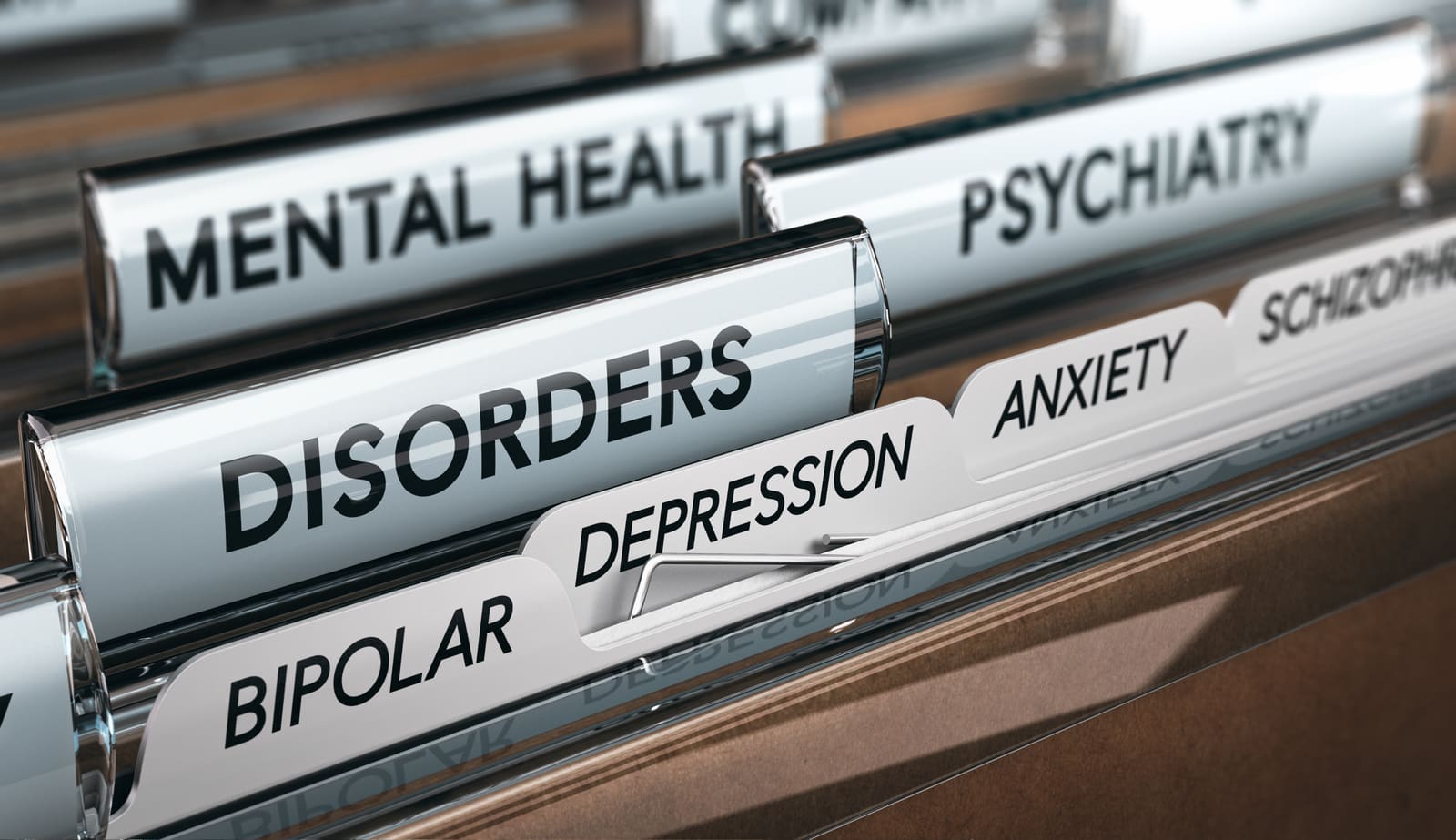
Nearly 1 in 5 adults experience depression or have experienced depression at some point in their lifetimes. Major depressive disorder, also called major depression, and persistent depressive disorder, also called dysthymia, are two of the most commonly experienced types of depression. What many people don’t know is that there are many disorders that fall under the larger umbrella of depression.
What links many of these mood disorders to major depression are periods of major depression, like true bipolar disorder.
Below, we go over the main types of depression.
Major Depressive Disorder
Major depression is defined as a mood disorder where people experience one or more major depressive episodes. A major depressive episode is characterized by the experience of five or more symptoms for a persistent two-week period.
This disorder can be recurrent for some people, meaning episodes can occur once a month, once a year, or several times throughout a person’s lifetime. People diagnosed with recurring major depression are said to have unipolar depression because they just experience the low moods that are associated with depression, unlike the mania and “highs” that come with bipolar depression. This type of depression used to be referred to as clinical depression.
The symptoms of major depression include:
- Depressed or low mood
- Changes to sleep or weight
- Fatigue
- Lack of interest in activities that the person normally enjoys
- Difficulty focusing
- Feelings of worthlessness or guilt
- Thoughts of death and suicide
Persistent Depressive Disorder
Dysthymia is a type of depression where a person experiences more days of depression than days without depression for a period of two or more years. Symptoms can vary from mild to severe.
People with persistent depressive disorder (PDD) can experience brief periods of weeks or even months without feeling depressed, but eventually, the depression will return. Symptoms of PDD are generally not as severe as major depressive disorder but are long-lasting and pervasive.
Symptoms of PDD include:
- Sadness
- Loss of pleasure and interest
- Anger and irritability
- Guilt
- Low self-esteem
- Difficulting staying asleep or falling asleep
- Oversleeping
- Fatigue and lack of energy
- Feelings of hopelessness
- Trouble concentrating
- Changes to appetite
Bipolar Disorder
Bipolar disorder is a type of depression that features periods of abnormally high moods called mania. These periods of mania can range from mild to extreme. Extreme periods of mania can impair a person’s life, affect a person’s understanding of reality, and require hospitalization. Most people that have bipolar disorder also experience episodes of major depression.
The risk of suicide for people who experience bipolar disorder is about 15 times greater than for the general population. In extreme cases, psychosis may occur.
Some symptoms of bipolar disorder include:
- Fatigue, lethargy, insomnia
- Unexplained pains and aches along with psychomotor agitation
- Low self-esteem and hopelessness
- Anxiety and irritability
- Disorganization and indecision
Postpartum Depression
Postpartum depression (PPD) is a type of depression that occurs during pregnancy and especially after giving birth. While mood changes, irritability, anxiety, and other symptoms are far from rare, they usually last for up to two weeks. The symptoms of PPD are more severe and long-lasting than typical “baby blues”.
PPD ranges from pervasive sadness and lethargy to postpartum psychosis, which is a condition that features delusions, hallucinations, and confusion.
If PPD is left untreated, the condition may last for up to a year. Luckily, there are effective treatments including antidepressants, hormone therapy, and counseling.
Premenstrual Dysphoric Disorder
Premenstrual Dysphoric Disorder (PDD) is a mood disorder that occurs during the premenstrual phase of the menstrual cycle. The symptoms of PDD are similar to premenstrual syndrome (PMS) but are much more severe. PDD can lead to extreme mood swings and that can disturb daily life and functioning.
Seasonal Affective Disorder (SAD)
Seasonal affective disorder, also called, major depressive disorder with seasonal patterns is a mood disorder characterized by weight gain, sleepiness, and depression in the winter months that dissipate in the spring.
SAD is believed to be brought on by the changing light in the winter affecting the circadian rhythm. Variations in the daylight can disrupt the circadian rhythm resulting in SAD.
Atypical Depression
Atypical depression is different from the more common signs of depression. For example, someone with atypical depression may experience oversleeping, overeating, and sensitivity to rejection but may feel better when a positive event in their life occurs.
Takeaway
There are many kinds of depression and people experience depression in a variety of ways. If you or a loved one believe they might be suffering from depression, it’s important that you tell your doctor or seek help from a mental health professional.
While depression may not always be curable, there are effective treatments out there that can reduce the severity of symptoms and help individuals affected by depression lead happier, more fulfilling lives.
If you are experiencing suicidal ideation, dial the suicide and crisis lifeline at 988.
Sources:
- 1health.harvard.edu/mind-and-mood/six-common-depression-types
- 2my.clevelandclinic.org/health/diseases/9290-depression
- 3mayoclinic.org/diseases-conditions/depression/diagnosis-treatment/drc-20356013
- 4verywellmind.com/common-types-of-depression-1067313
- 5dbsalliance.org/education/depression/types-of-depression/
- 6cnn.com/2023/06/15/health/depression-varies-by-state-cdc-report/index.html#:~:text=A%20new%20report%20published%20Thursday,to%2027.5%25%20in%20West%20Virginia
Información general, no consejo médico
Este artículo no puede tener en cuenta tu historial de salud ni tu tratamiento actual. Habla con un profesional sanitario cualificado antes de cambiar nada de tu cuidado.
Lee nuestro aviso médico →
En esta página
Major Depressive Disorder
Persistent Depressive Disorder
Bipolar Disorder
Postpartum Depression
Premenstrual Dysphoric Disorder
Seasonal Affective Disorder (SAD)
Atypical Depression
Takeaway
Pon en práctica lo que lees
Controla tus medicamentos, consulta un síntoma y habla con personas que viven con la misma enfermedad, todo en Healthread.
Descargar la app
Sigue leyendo

Mental Health
Bipolar I vs. Bipolar II
Bipolar I and II are the most common types of mental health disorders. While they both share certain similarities, they have two key differences.
8 de agosto de 2024 · 3 min de lectura

Mental Health
Narcissistic Personality Disorder (NPD)
NPD is a mental health condition that is characterized by an inflated opinion of oneself. Someone who is narcissistic may feel more important than other people.
4 de mayo de 2024 · 3 min de lectura
Mental Health
What is Treatment-Resistant Depression?
Treatment-resistant depression is a form of major depressive disorder that fails to respond to the standard depression treatments involving taking an anti-depressant or going to psychotherapy.
3 de febrero de 2024 · 3 min de lectura


© 2026 Healthread
English · Español
Healthread no ofrece asesoramiento médico, diagnóstico ni tratamiento. Consulta siempre a un profesional sanitario cualificado sobre tu atención.