

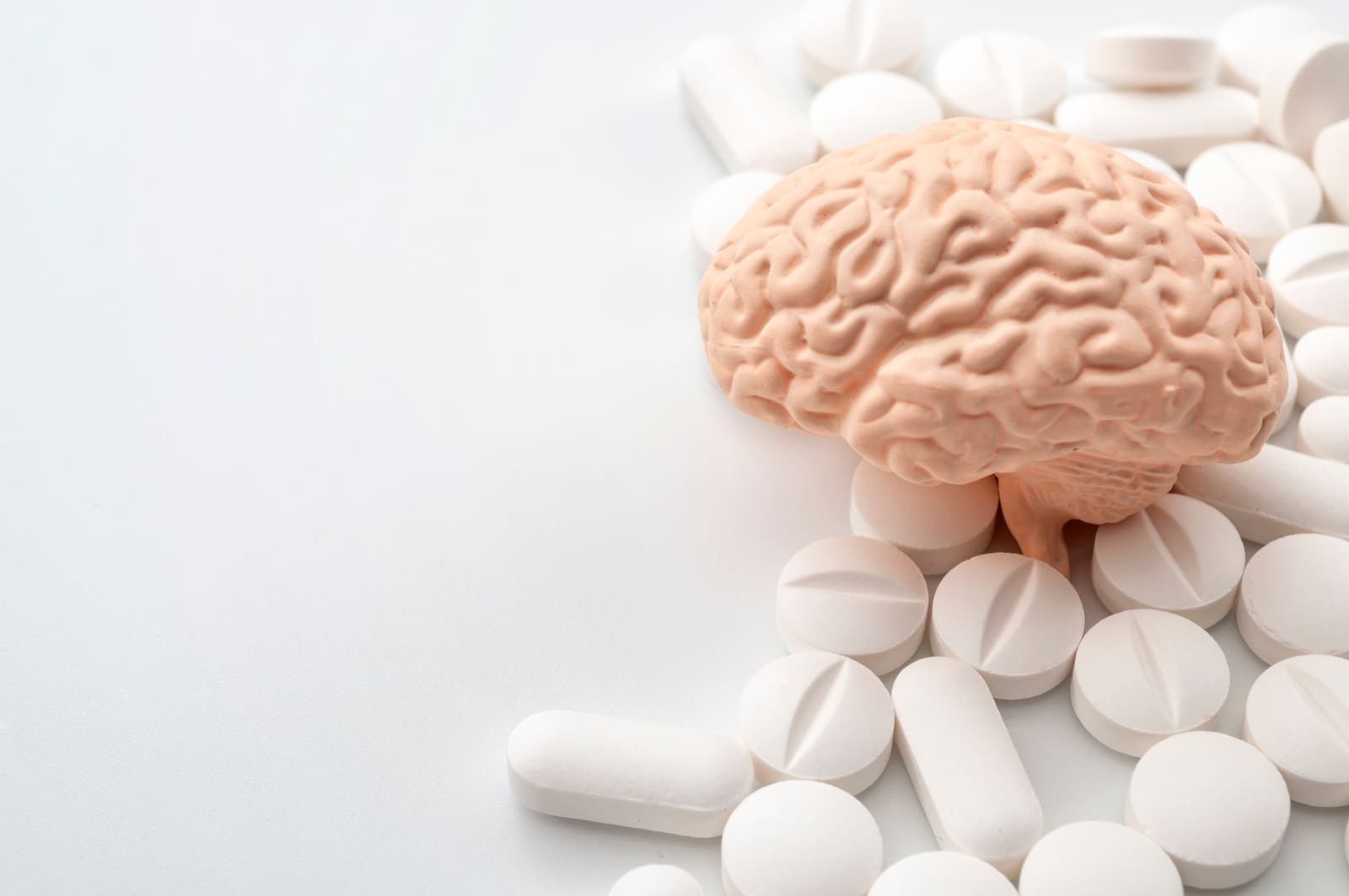
Nootropics, also called "smart drugs" fall under a class of substances said to have the ability to boost brain performance. They're sometimes called memory-enhancing substances or cognition enhancers.
If you're considering adding brain-boosting nootropics to your healthy lifestyle, you should first speak with a nutritionist or dietitian. Professionals like these focus on whole-foods and holistic solutions to help you with reaching your goals and decreasing your need for synthetic ingredients.
Along with that, you can learn more about nootropics, the different types and how they boost your cognitive function right here in this article.
Types of Nootropics
Nootropics can occur naturally as an herbal plant, such as Panax quinquefolius (American Ginseng) or they can be synthetic, like piracetam, which is made in a laboratory. Natural nootropics help promote brain function with simultaneous brain health improvement.
Different types of nootropics are:
Natural
A couple of natural nootropics are:
- Caffeine: Caffeine is a widely consumed natural nootropic. It's found naturally in coffee, tea, cocoa, guarana, and kola nuts and is added to many energy drinks, sodas, and medications. You can also take it as a supplement. It blocks your brain's adenosine receptors, helping you to feel less tired. It helps increase your attention and alertness and reduces your reaction time.
- Omega-3 fatty acids: These are well-known nootropics and well-studied as being natural mental enhancers. They're found in fish oil supplements and fatty fish and are polyunsaturated fats. They're essential for brain health. They help build neurons and other membranes around the cells of your body. They're essential for the repair and renewal of brain cells.
Other natural nootropics include Gingko Biloba, L-Theanine, and Panax ginseng.
Over the Counter
A couple of over-the-counter nootropics include:
- Phenotropil: Also referred to as phenylpiracetam, phenotropil is a synthetic "smart drug" that's available all over as an OTC supplement. It's similar in structure to Noopept and piracetam and helps your brain recover from a variety of injuries, like epilepsy, trauma, and stroke.
- Creatine: This is an amino acid. It's a protein building block. Athletes tend to use it often since it might help enhance exercise performance. It might also impact mental ability.
Prescription
Your doctor might prescribe certain nootropics to treat a health condition. A couple of prescription nootropics are:
- Provigil (modafinil): This is a stimulant that helps with narcolepsy and its sudden drowsiness.
- Adderall: You're probably familiar with this prescription nootropic. It's used for treating ADHD and contains amphetamines.
Synthetic
A couple of synthetic nootropics are:
- Racetams: These impact your brain's neurotransmitters. Piracetam is in this category and was the first synthetic nootropic to improve mental function. It is approved as a prescription medication in Europe, but not in the U.S.
- Noopept: Noopept is a synthetic smart drug you can buy as a supplement. You can typically feel the effects of Noopept within minutes, instead of hours or days, or even weeks like other nootropics. It offers a mild cognitive boost and a subtle psychostimulatory effect too.
Do Nootropics Work for Boosting Cognitive Function?
Smaller studies show some nootropics could affect your brain. However, there's not a whole lot of evidence from larger, controlled studies to show some of these supplements are completely safe and consistently work.
Due to the lack of research, it can't be said with certainty that OTC nootropics will improve brain function or thinking or if everyone will remain safe when using them.
For instance, there was a report on cognitive enhancers that found there isn't sufficient evidence to show they're effective and safe for healthy individuals. There were also ethical concerns pointed out by the researchers.
But, some evidence does show omega-3 fatty acids could benefit your overall health and brain. Also, caffeine could temporarily improve mental focus.
Latest Insights on Nootropics
There has been current research into if nootropics could help with the prevention and treatment of Alzheimer's disease. While there have been different methods implemented to lessen the disease's progression, there's no cure for AD. Therefore, nootropics are being explored for this purpose and there have been some promising results.
Looking for Guidance on Nootropics?
Subscribe to Healthread if you're looking for more information, insight, and tips on nootropics. Healthread is a technology platform that connects you with other people with similar health interests as you. Join Healthread's web app and smartphone apps (Android or iPhone) to start following others, posting in groups, direct messaging, and more. Share your experiences with nootropics and learn about others.
Sources
- 1medicalnewstoday.com/articles/326379
- 2psychologytoday.com/us/basics/nootropics
- 3webmd.com/vitamins-and-supplements/features/nootropics-smart-drugs-overview#1
- 4healthline.com/nutrition/nootropics#TOC_TITLE_HDR_8
- 5news.umiamihealth.org/en/nootropics-and-smart-drugs-do-they-work/
- 6adf.org.au/drug-facts/cognitive-enhancers/
- 7ncbi.nlm.nih.gov/pmc/articles/PMC5021479/
- 8time.com/5509993/nootropics-smart-drugs-brain/
- 9sciencedirect.com/topics/neuroscience/nootropic
- 10thelancet.com/journals/lancet/article/PIIS0140673608610582/fulltext
Información general, no consejo médico
Este artículo no puede tener en cuenta tu historial de salud ni tu tratamiento actual. Habla con un profesional sanitario cualificado antes de cambiar nada de tu cuidado.
Lee nuestro aviso médico →
En esta página
Types of Nootropics
Natural
Over the Counter
Prescription
Synthetic
Do Nootropics Work for Boosting Cognitive Function?
Latest Insights on Nootropics
Looking for Guidance on Nootropics?
Sources
Pon en práctica lo que lees
Controla tus medicamentos, consulta un síntoma y habla con personas que viven con la misma enfermedad, todo en Healthread.
Descargar la app
Sigue leyendo

Mental Health
Bipolar I vs. Bipolar II
Bipolar I and II are the most common types of mental health disorders. While they both share certain similarities, they have two key differences.
8 de agosto de 2024 · 3 min de lectura

Mental Health
Narcissistic Personality Disorder (NPD)
NPD is a mental health condition that is characterized by an inflated opinion of oneself. Someone who is narcissistic may feel more important than other people.
4 de mayo de 2024 · 3 min de lectura

Mental Health
What is Treatment-Resistant Depression?
Treatment-resistant depression is a form of major depressive disorder that fails to respond to the standard depression treatments involving taking an anti-depressant or going to psychotherapy.
3 de febrero de 2024 · 3 min de lectura


© 2026 Healthread
English · Español
Healthread no ofrece asesoramiento médico, diagnóstico ni tratamiento. Consulta siempre a un profesional sanitario cualificado sobre tu atención.