

What Can Cause a Missed Period Besides Pregnancy?
7 de octubre de 2023
3 min de lectura
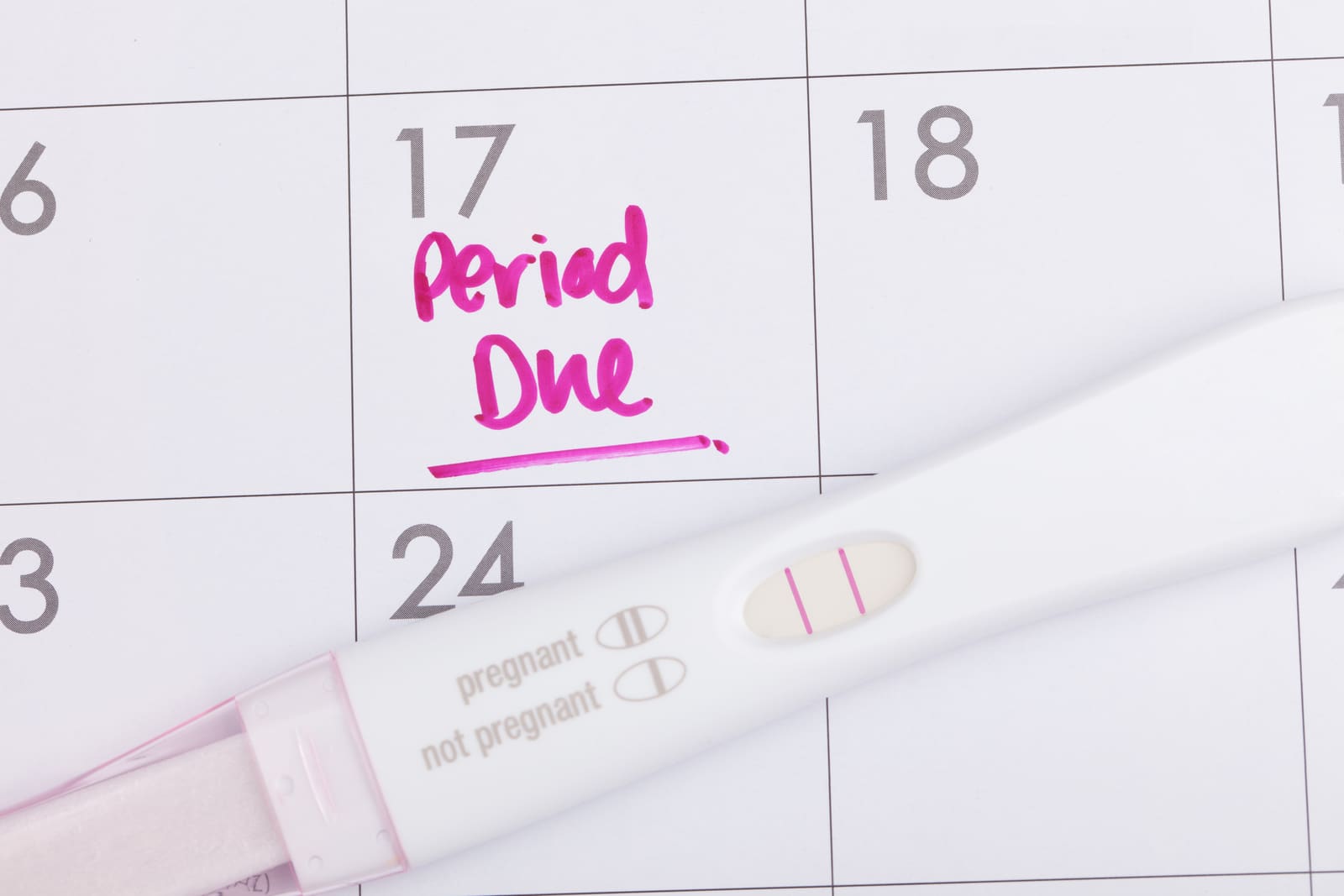
Missed or late periods can happen for various reasons other than pregnancy. Some common reasons you may miss periods are hormonal imbalances, stress, or low body weight.
Is it normal to miss a period?
Usually, most women get their periods every 28 days, plus or minus a week. However, in certain situations, like when a person gets their first period during puberty, during pregnancy, and during perimenopause( the transitional period that precedes menopause), a person can have irregular periods.
Can you miss a period for a month?
You may miss a period for a month because of increased stress, low body weight, use of birth control, early perimenopause, obesity, polycystic ovary syndrome(PCOS), or thyroid issues.
Is it normal to miss a period for three months?
A missing period for three months or more is known as secondary amenorrhea. Some natural causes for missing periods for three months can be pregnancy, perimenopause, and breastfeeding.
Other factors like increased stress, excessive exercise, and low body weight can cause you to miss periods for an extended time.
You can skip periods for three months or more after stopping birth control pills or when on medications like antipsychotics, antidepressants, and chemotherapy treatments.
How long is it normal for periods to be late?
Typically, menstrual cycles range from 21 to 35 days. If you get a period within the time frame, it is considered normal. It will be considered late if you have gone 35 days without a period.
It would be concerning when a person has skipped a period for a few months without any reason.
What are the causes of a missed period besides pregnancy?
Here are some reasons why you can miss a period even when not pregnant.
Obesity
Living with an abnormally high body weight can cause hormonal imbalances affecting the menstrual cycle. With obesity, your body can produce excessive hormone estrogen that causes menstrual irregularities.
Low body weight
Having a low body weight can cause hormonal imbalances affecting your menstrual cycles. Eating disorders like anorexia or bulimia can cause a drastic reduction in body weight, stopping periods altogether.
Increased stress
Chronic stress can cause hormonal imbalance and may affect the hypothalamus, the area of the brain that regulates periods. Increased stress can cause abnormal weight gain or loss that can, in turn, affect your menstrual cycle.
Birth control
When a person stops taking birth control pills or has an intrauterine device (IUD), she can experience irregular periods.
Polycystic Ovary Syndrome(PCOS)
When your body produces male hormone androgen excessively, it can cause cysts to appear on the ovaries, a condition known as polycystic ovary syndrome.
Such hormonal imbalance can stop ovulation, causing you to miss periods. Hormonal imbalance can also result from insulin resistance, causing irregular periods.
Thyroid imbalance
The thyroid regulates the body’s metabolism. A hyperactive or hypoactive thyroid can affect your hormone levels, causing you to miss periods.
Chronic diseases
Chronic diseases like celiac disease and diabetes can cause irregular or missed periods. People with diabetes can have changes in blood sugar levels that cause hormonal imbalances and missed periods.
Celiac disease causes inflammation in the small intestine and prevents the absorption of essential nutrients, causing irregular periods.
Early perimenopause
Even though menopause begins between the ages of 45 and 55, women can experience menopause symptoms before 40, a condition called early perimenopause.
In early perimenopause, the supply of eggs declines, resulting in missed periods and, eventually, menopause.
When to visit a doctor?
If you are experiencing irregular menstrual patterns without any obvious reasons, it is best to contact your healthcare provider to rule out serious concerns.
Sources:
- 1healthline.com/health/womens-health/why-is-my-period-late
- 2nebraskamed.com/womens-health/health/conditions-and-services/4-reasons-your-period-is-late-besides-pregnancy
- 3flo.health/menstrual-cycle/health/period/8-reasons-for-missed-periods-or-absence-of-menstruation
- 4parents.com/pregnancy/signs/symptoms/7-reasons-for-a-late-period-other-than-pregnancy/
- 5medicalnewstoday.com/articles/322893
- 6share.upmc.com/2023/08/what-causes-missed-periods-besides-pregnancy/
Información general, no consejo médico
Este artículo no puede tener en cuenta tu historial de salud ni tu tratamiento actual. Habla con un profesional sanitario cualificado antes de cambiar nada de tu cuidado.
Lee nuestro aviso médico →
En esta página
Is it normal to miss a period?
Can you miss a period for a month?
Is it normal to miss a period for three months?
How long is it normal for periods to be late?
What are the causes of a missed period besides pregnancy?
Obesity
Low body weight
Increased stress
Birth control
Polycystic Ovary Syndrome(PCOS)
Thyroid imbalance
Chronic diseases
Early perimenopause
When to visit a doctor?
Pon en práctica lo que lees
Controla tus medicamentos, consulta un síntoma y habla con personas que viven con la misma enfermedad, todo en Healthread.
Descargar la app
Sigue leyendo

Mental Health
Bipolar I vs. Bipolar II
Bipolar I and II are the most common types of mental health disorders. While they both share certain similarities, they have two key differences.
8 de agosto de 2024 · 3 min de lectura

Mental Health
Narcissistic Personality Disorder (NPD)
NPD is a mental health condition that is characterized by an inflated opinion of oneself. Someone who is narcissistic may feel more important than other people.
4 de mayo de 2024 · 3 min de lectura

Mental Health
What is Treatment-Resistant Depression?
Treatment-resistant depression is a form of major depressive disorder that fails to respond to the standard depression treatments involving taking an anti-depressant or going to psychotherapy.
3 de febrero de 2024 · 3 min de lectura


© 2026 Healthread
English · Español
Healthread no ofrece asesoramiento médico, diagnóstico ni tratamiento. Consulta siempre a un profesional sanitario cualificado sobre tu atención.