

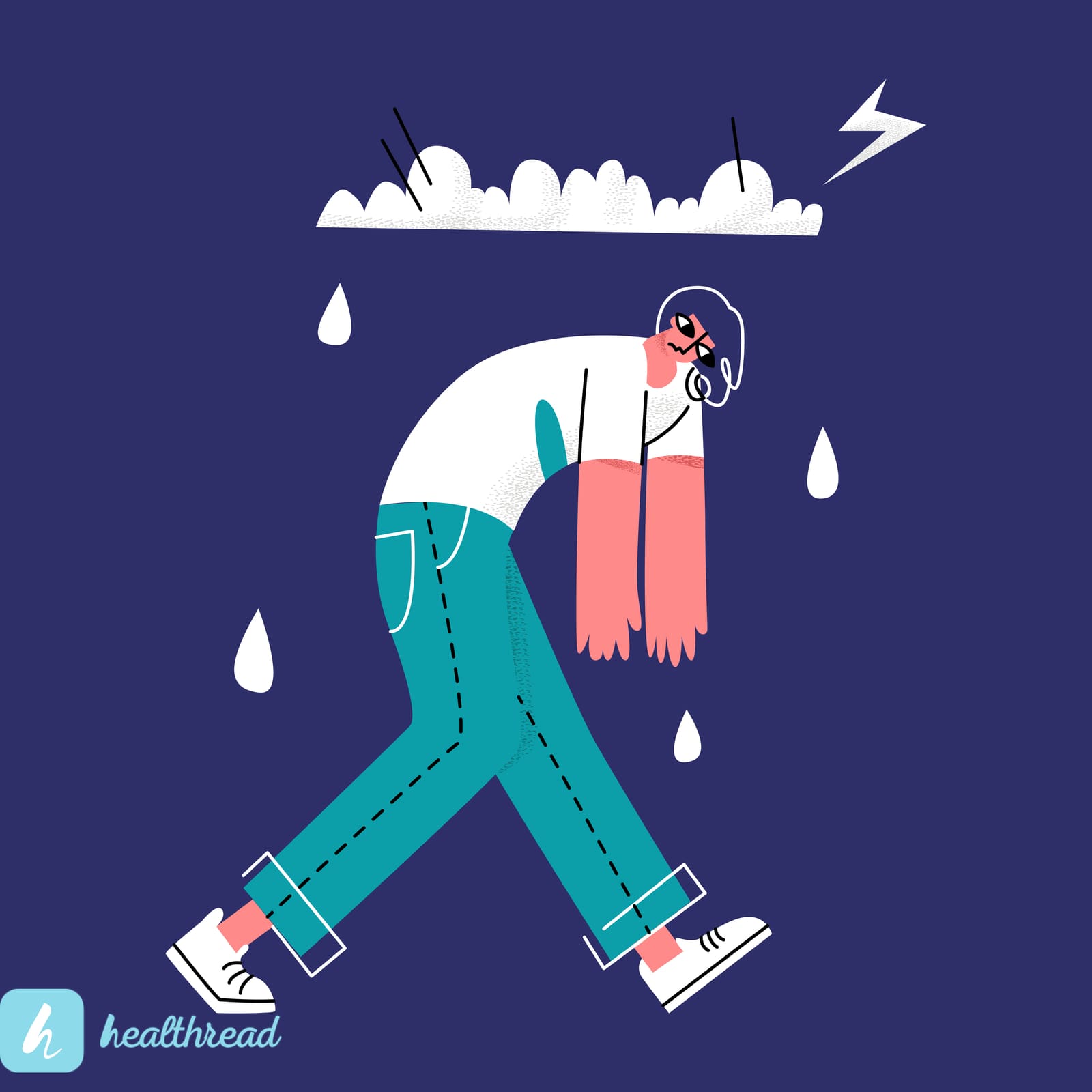
Anhedonia is the inability to feel pleasure or joy. It is considered part of major depressive disorder. But while it is most associated with major depression, it’s also considered part of schizophrenia, psychosis, Parkinson’s, and substance abuse among others. Like most symptoms of depression and other ailments, having anhedonia can create a barrier between you and your family, work, friends, or hobbies.
Risk Factors
Feeling of melancholy can come on for a variety of reasons, but there are often shared experiences that lead to people suffering from anhedonia or other major mental illnesses. Some of these include a family history of mental illness, a history of abuse or neglect, extreme stress, and trauma. Additionally, females are more likely to suffer from anhedonia than men.
Symptoms
The symptoms of anhedonia include:
- Being despondent
- A feeling of sadness or hopelessness
- Being inconsolable
- Displaying fear or paranoia
- Having social/emotional withdraw
- Being unable to smile or laugh
- Refusing to seek support
- Experiencing negative feelings about yourself and others
- Feeling as though you are just “going through the motions”
Not only are there symptoms regarding the melancholy, but occasionally the person experiencing anhedonia may be seeking out pleasure in drastic ways. For instance, in an effort to seek the strong feature of pleasure, some anhedonia sufferers have taken to risky behaviors, such as skydiving or bungee jumping to gain those feelings.
How is one diagnosed?
Self-reports are the most common way to get a diagnosis for anhedonia. These are often used because they are simple for both the doctor and the patient. Scales such as Chapman Physical Anhedonia Scale are questionnaires designed to understand the feelings the patient is having and then determine if it is Anhedonia.
What are the types of Anhedonia?
Though generally lumped together, people often do not feel pleasure in certain situations. For instance, one patient can have social anhedonia where they get no pleasure from being around their friends or social situations. There is also a case of sensory anhedonia where people do not have joy in things such as the smell of something wonderful or physical touch.
Why does Anhedonia happen?
Doctors are not entirely sure what happens in the brain to give someone the “blah” feeling that comes with anhedonia. It is thought that there might be an issue in the medial prefrontal cortex (mPFC) which has a direct relationship with depressive moods and thoughts. Furthermore, dopamine is released when something happy or positive happens. Doctors are also looking into the idea that individuals can experience pleasure, but the issue lies with the brain's ability to connect pleasure with anticipation and reward.
What is the treatment for anhedonia?
There is currently no specific treatment for anhedonia, but rather treatment occurs alongside or in conjunction with depression. Treating it usually involves Selective Serotonin Reuptake Inhibitors (SSRI), better known as antidepressants. However, the jury is still out on the effectiveness of that method. Additionally, while antidepressants are designed to get rid of the negative thoughts of depression, they aren’t designed to bring joy or pleasure.
Recent Study Treatments
Because so much is unknown about anhedonia, treatment is difficult. However, in 2014, a study published in Nature magazine showed that anesthetic ketamine was a possible treatment for reducing symptoms in depression —and quickly.
Additionally, around 2018 two North Carolina psychiatry professors started a clinical trial to treat anhedonia with talk therapy. The idea is that through therapy and events, participants will begin looking forward to going to social events and activities. What is important about this study is that they are directly working with anhedonia rather than some larger issues such as depression or schizophrenia.
How has COVID affected anhedonia?
A recent article in Psychology Today related anhedonia to COVID. The author makes mention that COVID had created a sense of dread, depression, and anxiety all on its own. Because of the emotional and mental effects of COVID, there were many things that we used to find joy in that we simply cannot find now. Because people with anhedonia already do not feel pleasure, this impact of COVID may not have affected them as much, but differently. The answers are the same: there is no pleasure but how we reached that spot differs. The author Dr. Barton Goldsmith says that whether you are suffering from anhedonia or from the impact of COVID, start with little steps to try and get some joy back.
Why is so much unknown?
Finding out more about anhedonia is difficult for many reasons. One is because the experience of pleasure varies by person and is also done in phases such as anticipated, experienced and remembered. Within those levels, each is measured differently. There is not a one-size-fits-all study or diagnosis when it comes to anhedonia.
Foundations and Societies
Have You Been Diagnosed with Anhedonia or Think You Might Have It?
Find support and talk through your symptoms and treatment with other Healthread users through the Healthread app.
Sources
- 1ncbi.nlm.nih.gov/pmc/articles/PMC3181880/
- 2solaramentalhealth.com/anhedonia-symptoms-treatment/
- 3journals.physiology.org/doi/10.1152/physiolgenomics.00006.2019
- 4ncbi.nlm.nih.gov/pmc/articles/PMC3664836/
- 5medicalnewstoday.com/articles/320737#Whats-happening-in-the-brain
- 6medicalnewstoday.com/articles/320737#Treating-anhedonia
- 7scientificamerican.com/article/can-talk-therapy-help-people-who-are-unable-to-experience-joy/
- 8psychologytoday.com/us/blog/emotional-fitness/202103/life-without-pleasure-the-pain-anhedonia
Información general, no consejo médico
Este artículo no puede tener en cuenta tu historial de salud ni tu tratamiento actual. Habla con un profesional sanitario cualificado antes de cambiar nada de tu cuidado.
Lee nuestro aviso médico →
En esta página
Risk Factors
Symptoms
How is one diagnosed?
What are the types of Anhedonia?
Why does Anhedonia happen?
What is the treatment for anhedonia?
Recent Study Treatments
How has COVID affected anhedonia?
Why is so much unknown?
Foundations and Societies
Have You Been Diagnosed with Anhedonia or Think You Might Have It?
Sources
Pon en práctica lo que lees
Controla tus medicamentos, consulta un síntoma y habla con personas que viven con la misma enfermedad, todo en Healthread.
Descargar la app
Sigue leyendo

Mental Health
Bipolar I vs. Bipolar II
Bipolar I and II are the most common types of mental health disorders. While they both share certain similarities, they have two key differences.
8 de agosto de 2024 · 3 min de lectura

Mental Health
Narcissistic Personality Disorder (NPD)
NPD is a mental health condition that is characterized by an inflated opinion of oneself. Someone who is narcissistic may feel more important than other people.
4 de mayo de 2024 · 3 min de lectura
Mental Health
What is Treatment-Resistant Depression?
Treatment-resistant depression is a form of major depressive disorder that fails to respond to the standard depression treatments involving taking an anti-depressant or going to psychotherapy.
3 de febrero de 2024 · 3 min de lectura


© 2026 Healthread
English · Español
Healthread no ofrece asesoramiento médico, diagnóstico ni tratamiento. Consulta siempre a un profesional sanitario cualificado sobre tu atención.