

Not surprisingly, the number of people suffering from anxiety has skyrocketed since the pandemic. While almost everyone feels anxious on occasion, when the condition becomes constant and interferes with everyday life, that person may have an anxiety disorder. They are ruled by their fears, an extremely debilitating situation.
Fortunately, there are effective treatments available for those with an anxiety disorder diagnosis.
Anxiety Symptoms
Anxiety presents itself as more than nervous fears and feelings. Anxiety symptoms include:
- Concentration difficulties
- Gastrointestinal problems
- Insomnia
- Nightmares
- Rapid heart rate
- Rapid respiration
- Restlessness
- Sweating
- Trembling
Types of Anxiety Disorders
The most common types of anxiety disorders include:
- Panic disorder –characterized by sudden, intense anxiety, giving way to a panic attack.
- PTSD
- Social phobia – strong fear of social situations.
- Specific phobias – fear of particular items or situations.
Risk Factors
Anyone may experience anxiety. However, certain risk factors increase the odds of developing an anxiety disorder. These include:
- Trauma
- Heredity
- Depression
- Stress
Those struggling with other mental health or substance abuse issues are at greater risk for developing a general anxiety disorder. When drug or alcohol abuse is part of the equation, it is critical to obtain help for these issues prior to receiving treatment for anxiety.
Anxiety Triggers
Anxiety triggers vary according to the individual. Keep track of what makes you anxious by keeping a journal and writing down when and where anxiety hits. You may notice a pattern that was not immediately obvious.
Of course, sometimes the trigger is obvious. A person involved in a serious car accident may experience severe anxiety when inside a vehicle or in the vicinity of where the accident took place.
Anxiety Disorder Diagnosis
Doctors diagnose anxiety disorder by asking questions about the patient’s emotional state and a physical examination. Anxiety often results from a physical condition, and the doctor must determine if this underlying condition is causing the problem. Such conditions include diabetes, heart disease, and hyperthyroidism.
For severe anxiety, the doctor may refer the patient to a mental health provider.
Mild Anxiety
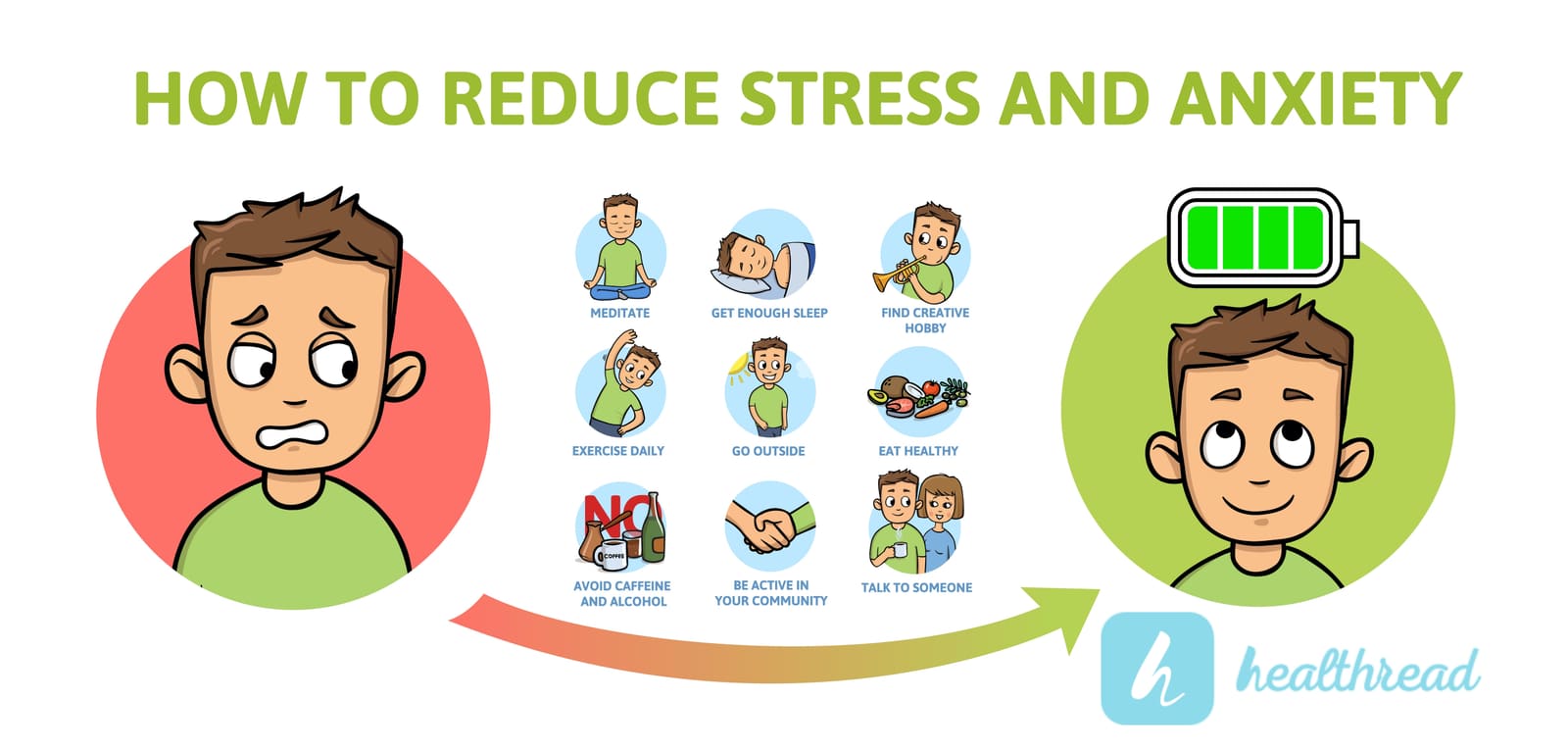
Patients may find simple self-care aids can help them through bouts of mild anxiety. These include:
- Regular exercise
- Quality sleep
- Communing with nature
- Consuming a healthy diet
- Avoiding alcohol, caffeine, and nicotine
- Helping others, such as volunteering
Beverages containing caffeine can increase anxiety and interfere with a good night’s sleep. Alcohol consumption and smoking can make anxiety worse. For some people, just stopping these behaviors is sufficient to control anxiety.
Nutritional deficiencies can contribute to certain kinds of anxiety. A lack of B vitamins, zinc, or vitamin D may exacerbate anxiety.
Consider practicing yoga or meditation to assist in relaxation. Online or in-person support groups can also help you learn to de-stress and combat anxiety.
Cognitive Behavioral Therapy
Cognitive-behavioral therapy (CBT) is the gold standard for the psychological treatment of anxiety disorder. Also known as talk therapy, CBT focuses on the patient’s current situation, rather than delving deeply into his or her past.
During weekly visits with a therapist, the patient learns skills to manage their anxiety and improve symptoms. The focus is on gradual exposure to the anxiety triggers and overcoming them. The idea is building the patient’s confidence so they may return to the activities avoided due to anxiety.
Pharmaceutical Treatment
A variety of medications are available to treat anxiety. The most commonly prescribed pharmaceuticals for anxiety include:
- Alprazolam – marketed under the brand name Xanax, this drug of the benzodiazepine class increases the effects of certain neurotransmitters. The drug provides a calming effect and also serves as a muscle relaxant and sedative. It is prescribed for short-term use.
- Buspirone – Sold under the brand name Buspar, this drug is prescribed for both short-term and long-term treatment. It may take several weeks for buspirone to fully relieve anxiety symptoms.
- Fluoxetine –This antidepressant, better known as Prozac, is a selective serotonin reuptake inhibitor (SSRI). It is effective for both depression and anxiety. Serotonin is a chemical in the brain that helps regular mood. Other SSRIs used to treat anxiety include paroxetine, sold under the brand name Paxil, and sertraline, marketed as Zoloft.
As with any drug, side effects are possible. However, the majority of patients tolerate these medications well.
For most people, a combination of CBT and medication is the most efficacious way to overcome anxiety disorder.
Medical Cannabis
In states where medical cannabis is legal, and that is now the majority of U.S. states, those dealing with mild or chronic anxiety may find relief through the use of cannabis. For those patients who do not want to experience any of cannabis’ psychoactive effects, the use of CBD can also alleviate anxiety. So can microdosing, which involves using small amounts of cannabis throughout the day to relieve anxiety or depression without taking enough to feel high.
Rather than self-medicate in states where recreational cannabis is legal, it is vital to consult a physician familiar with the plant’s medical properties.
Sources
General information, not medical advice
This article can't account for your health history or current treatment. Talk to a qualified clinician before you change anything about your care.
Read our medical disclaimer →
On this page
Anxiety Symptoms
Types of Anxiety Disorders
Risk Factors
Anxiety Triggers
Anxiety Disorder Diagnosis
Mild Anxiety
Cognitive Behavioral Therapy
Pharmaceutical Treatment
Medical Cannabis
Sources
Put what you read to work
Track your medicines, check a symptom and talk with people managing the same condition, all in Healthread.
Get the app
Keep reading

Mental Health
Bipolar I vs. Bipolar II
Bipolar I and II are the most common types of mental health disorders. While they both share certain similarities, they have two key differences.
August 8, 2024 · 3 min read

Mental Health
Narcissistic Personality Disorder (NPD)
NPD is a mental health condition that is characterized by an inflated opinion of oneself. Someone who is narcissistic may feel more important than other people.
May 4, 2024 · 3 min read

Mental Health
What is Treatment-Resistant Depression?
Treatment-resistant depression is a form of major depressive disorder that fails to respond to the standard depression treatments involving taking an anti-depressant or going to psychotherapy.
February 3, 2024 · 3 min read


© 2026 Healthread
English · Español
Healthread does not provide medical advice, diagnosis or treatment. Always speak to a qualified clinician about your care.