

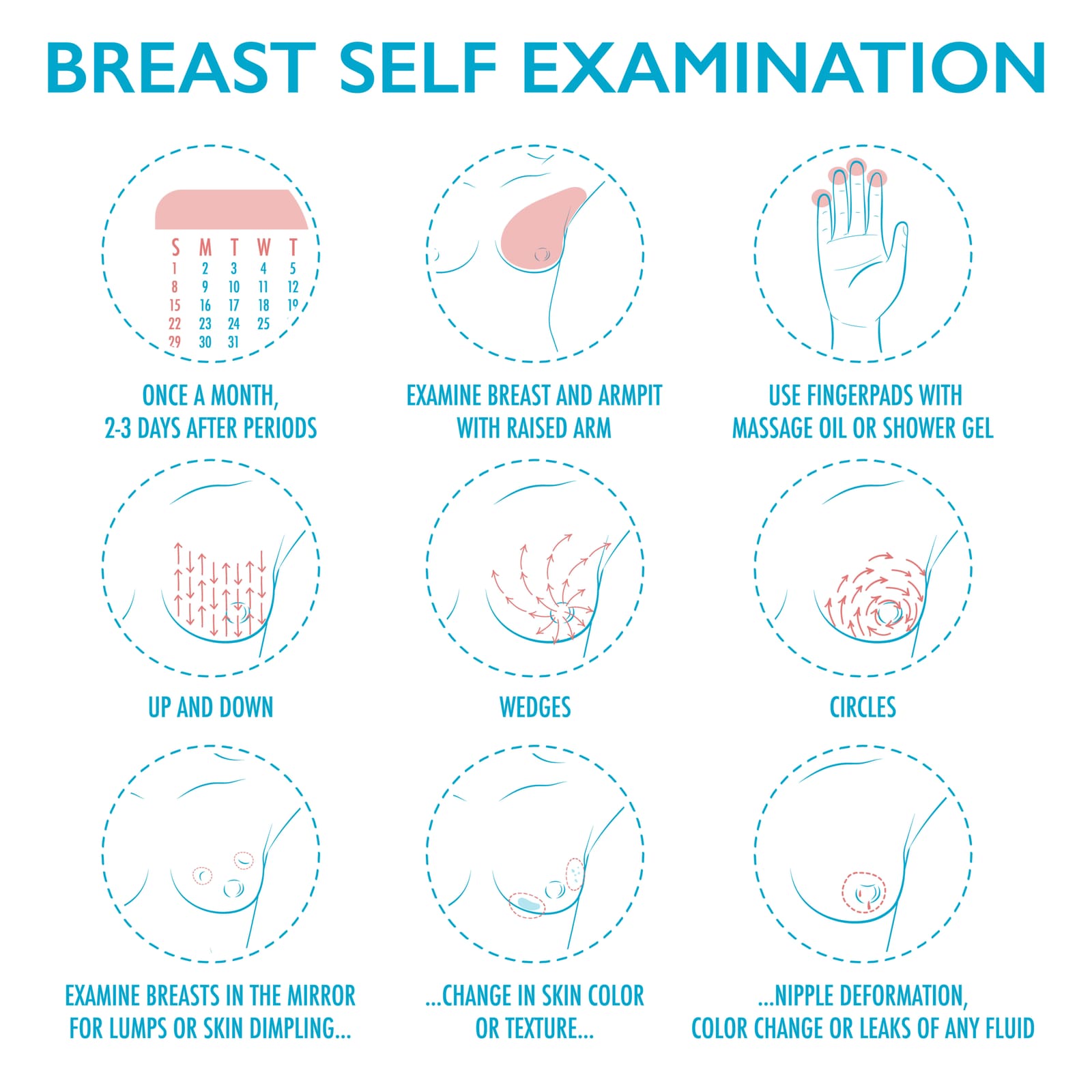
The original diagnosis of breast cancer is devastating. Breast cancer recurrence is, if anything, even more traumatic. Breast cancer may recur soon after the initial cancer diagnosis and treatment, or years later.
Recurrent breast cancers do not necessarily mimic the original tumor. The recurrent tumor may have a different hormone receptor or HER-2 status.
Why Breast Cancer Recurs
Breast cancer may recur because the original treatment did not destroy all of the cancer cells. When some cells survive, they start multiplying, and the cancer eventually comes back.
Local or Distant Recurrence
Breast cancer recurrence is either local, regional or distant. The former refers to cancer returning in the original location, regional recurrence involves the lymph nodes, while the latter describes cancer that has spread to another part of the body.
Symptoms
In a local recurrence, the cancer recurs in the remaining breast tissue if the patient had a lumpectomy. If she had a mastectomy, a local recurrence occurs in the tissue surrounding the skin or chest wall.
Symptoms of a local recurrence may include:
- Changes in breast skin
- Nipple discharge
- New breast lump
- Redness or inflammation
- Lumpectomy site swelling
A woman with a mastectomy may notice thickening in the area of the scar, or nodules developing on the chest wall.
In a regional recurrence, the patient may discover swollen lymph nodes in the neck or collarbone or under the arm.
A distant recurrence means the cancer has metastasized, or spread. Symptoms of a distant recurrence may include:
- Appetite loss
- Breathing or coughing issues
- Persistent and increasing pain
- Powerful headaches
- Seizures
- Unexpected weight loss
If you experience any of the symptoms of recurrent breast cancer, see your oncologist at once.
Risk Factors
Some people diagnosed with breast cancer are at greater risk of recurrence than others. That includes those with large tumors, lymph node involvement, close tumor margins, and inflammatory breast cancer.
Obese women are more likely to experience a recurrence, as are those women under the age of 35 at the time of diagnosis.
If the woman underwent a lumpectomy but did not follow up with radiation therapy, her risk of breast cancer recurrence increases. The same holds true for those with hormone -receptor-positive breast cancer who did not receive endocrine therapy after their surgery.
Risk Reduction
There are certain lifestyle changes women can make that reduce the risk of recurrent breast cancer. These include:
- Consume a healthy diet –Eliminate processed and sugary foods and focus on a diet rich in fruits and veggies and plenty of fish. Make sure to eat sufficient fiber.
- Stop drinking alcohol or limit consumption to one drink daily
- Exercise regularly
- Maintain a healthy weight
- Check vitamin D levels – if low, ask your doctor about supplementation. Lack of enough vitamin D is associated with breast cancer development.
- Reduce stress –Dealing well with stress aids overall survival. Stress reduction depends very much on the individual, but meditation, yoga, or just walking in nature can help.
Diagnosis
Once a woman is diagnosed with breast cancer, she should undergo an annual physical examination by her oncologist and a mammogram. Recurrent breast cancer is often caught during the examination or from the mammogram results.
The doctor will then order tests, which may include:
- X-rays
- MRI
- CT scan
- PET scan
- Bone scan
The doctor will also schedule a biopsy, taking a sample of the tissue which is then sent to a lab for testing. The lab pathologist will determine whether cancer is present and whether it is a recurrence or new cancer.
Treatment
Treatment for recurrent breast cancer depends on various factors. For example, if the woman’s prior surgery was a lumpectomy, she may undergo a mastectomy to remove the rest of the breast tissue. If the original surgery did not remove local lymph nodes, the surgeon may do so in this second procedure.
If the woman did not have radiation therapy during her initial cancer treatment, she may receive it after a recurrence. She may receive chemotherapy as part of recurrent breast cancer treatment.
Those with hormone-receptor-positive breast cancer may receive hormone therapy drugs that block the hormones estrogen and progesterone. If tests reveal the cancer produces too much HER2 protein, medications targeting the protein are usually prescribed.
If the woman had breast reconstruction after mastectomy, the surgeon would remove the implant used to construct the new breast. Whether a new reconstruction is possible depends on the individual situation.
Metastatic Recurrence
When the recurrence is metastatic, the same type of therapies is used targeting the area to which the cancer has spread. There is no cure for metastatic breast cancer, but treatments can extend life considerably, including quality of life. Newer therapies allow oncologists to treat some metastatic breast cancers as a chronic disease.
Since metastatic breast cancer often spreads to the bones, women may receive a drug to build bones and lessen the likelihood of fractures.
Sources
- 1mayoclinic.org/diseases-conditions/recurrent-breast-cancer/symptoms-causes/syc-20377135
- 2breastcancer.org/symptoms/diagnosis/recurrent
- 3cancer.org/cancer/breast-cancer/treatment/treatment-of-breast-cancer-by-stage/treatment-of-recurrent-breast-cancer.html
- 4hopkinsmedicine.org/breast_center/breast_cancers_other_conditions/breast_cancer_recurrence/
- 5geisinger.org/health-and-wellness/wellness-articles/2018/10/04/19/31/understanding-breast-cancer-recurrence
- 6nationalbreastcancer.org/breast-cancer-support-groups
General information, not medical advice
This article can't account for your health history or current treatment. Talk to a qualified clinician before you change anything about your care.
Read our medical disclaimer →
On this page
Why Breast Cancer Recurs
Local or Distant Recurrence
Symptoms
Risk Factors
Risk Reduction
Diagnosis
Treatment
Metastatic Recurrence
Sources
Put what you read to work
Track your medicines, check a symptom and talk with people managing the same condition, all in Healthread.
Get the app
Keep reading

Cancer-Updates
Gynecologic Cancer
Gynecologic cancer is a term used to describe a group of cancers that affect the female reproductive system. There are five types of gynecologic cancers named after the body part where they start.
November 5, 2024 · 3 min read

Cancer-Updates
Anal Cancer
Anal cancer is caused when the cancer cells in the anus grow uncontrollably, forming masses or tumors. The cancer cells can sometimes spread to other body parts, causing metastatic cancer.
August 18, 2024 · 3 min read

Cancer-Updates
Bile Duct Cancer (Cholangiocarcinoma)
Bile duct cancer, or cholangiocarcinoma, is a cancer that occurs in the bile ducts, the slender tubes that collect bile, a fluid made by the liver for breaking down fats in the digestion process.
April 17, 2024 · 2 min read


© 2026 Healthread
English · Español
Healthread does not provide medical advice, diagnosis or treatment. Always speak to a qualified clinician about your care.