

: Cardio -Oncology: A new Area and Developing Area of Medicine
May 8, 2021
4 min read
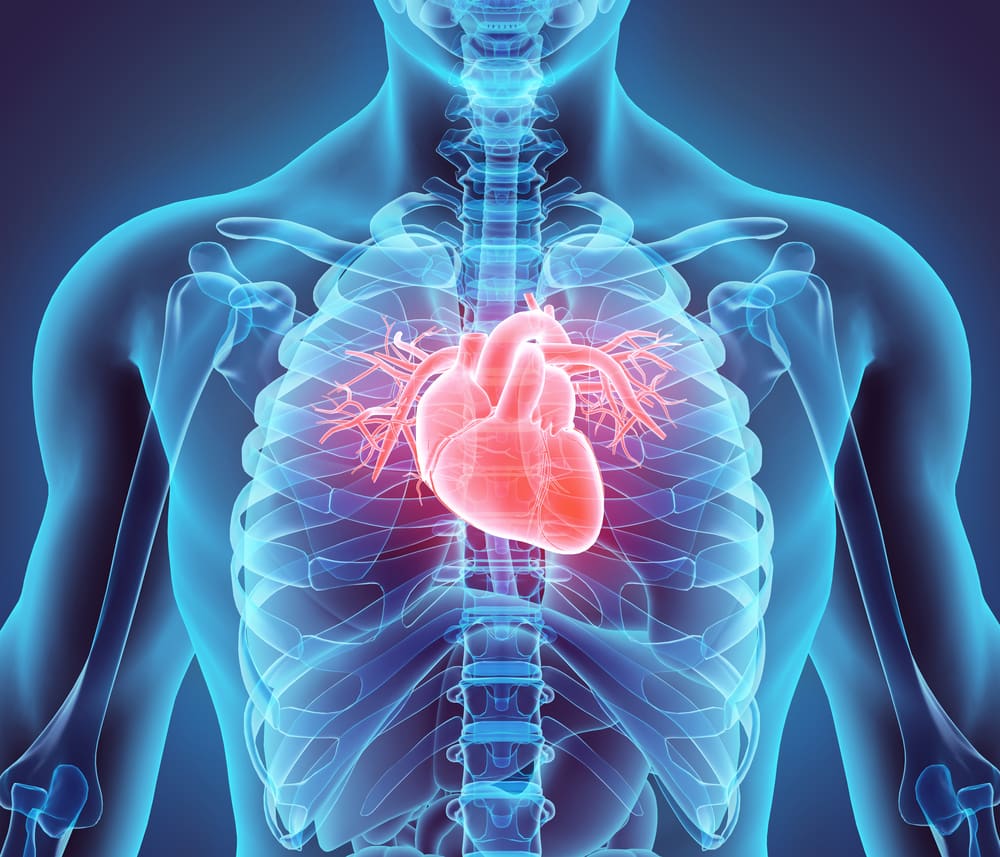
The cardio-oncology subspecialty has gained much popularity recently with many cardio-oncology centers launching new research and entire conferences focusing on this specialty as awareness of cardiac toxicities linked with the treatment of cancer increases.
The number of people surviving cancer continues growing. Today, there are over 16.9 million survivors of cancer in the United States and according to the American Cancer Society, it's expected this number will grow to 22.1 million by 2030.
What Is Cardio-Oncology?
Doctors specializing in cardio-oncology, or cardio-oncologists, treat and evaluate patients who have existing heart disease or are at risk of developing heart disease before, during, or following cancer treatment. Their patients typically are cancer survivors or patients currently getting cancer treatment. For instance, women who have had treatment for breast cancer, especially older women are at a higher risk of cardiac complications over the long term, according to the American Heart Association.
Certain cancer treatments, including chemotherapy and radiation, can lead to long-term, lasting damage to circulation and the heart. This might lead to cardiac conditions like:
- Narrowing of the arteries supplying blood to your heart (known as coronary artery disease) or those to the legs (known as peripheral artery disease)
- Arrhythmia (abnormal heartbeat)
- Decrease or increase in blood pressure beyond the normal range (hypotension/hypertension)
- Damage to your heart valves
- Heart sac inflammation (pericarditis)
- Heart muscle deterioration and heart failure
Cardio-oncologists work with three primary subgroups of patients
- 1.Patients who have existing heart disease who develop cancer to determine if their heart can withstand the stress of cancer treatment
- 2.Cancer survivors who have received radiation therapy involving portals that included the heart or who have received regimens considered cardio-toxic
- 3.Patients who are received chemotherapy involving cardio-toxic agents in order to monitor for adverse changes in cardiac function.
Cardio-oncologists address the cardio-toxic impacts of chemotherapy and/or radiation, as well as work with people who have the co-existing diseases of cancer and heart disease. They work with cancer survivors and patients to prevent, monitor, and treat cardiovascular disease to ensure long-term health. If cardiac disease is a barrier to cancer treatment, cardio-onclogists work to remove this barrier.
Cardio-Oncology Services
Cardiologists offer services such as:
- 1.Providing guidance and advice to individuals with a high heart disease risk or existing heart disease prior to cancer treatment and assessing how to monitor, prevent and treat heart conditions.
- 2.Offering heart medications and other treatments for heart conditions when needed.
- 3.Discussing treatment options for cancer with oncologists for individuals with a high heart disease risk or existing heart disease.
- 4.Screening for, monitoring, and treating complications of the heart that might develop during cancer treatment due to receiving radiation therapy to the chest area or taking certain chemotherapy medications.
- 5.Offering lifestyle coaching to individuals following cancer treatment like making lifestyle alterations for helping to decrease the risk of heart disease as well as maintaining health, including exercise and heart-health dieting.
Cancer treatment developments have drastically improved cancer patients' survival which allows them to live fuller, longer lives. But, just as these therapies kill and damage cancer cells, they could also do the same to other body parts, including your heart. This is why cardio-oncology programs provide specialized cardiac care for people dealing with cancer and those who survived it.
Cancer patients are now living longer and in a lot of cases are surviving their disease.
Foundations and Societies
- National Foundation for Cancer Research: The NFCR is committed to offering researchers and scientists in the lab funding they require for making game-changing cancer treatment discoveries, detection, and eventually a cure for all forms of cancer.
- The Heart Foundation: This organization's mission is to save lives through the increase of awareness of heart disease, and it's early detection. It also supports the advanced research that takes place at Smidt Heart Institute at Cedars-Sinai.
Latest Insights on Cardio-Oncology
- Gain the latest insights and advancements on cardio-oncology at ESC 365. A not-for-profit, volunteer-led medical society, ESC 365's decision-makers, and members are clinicians, scientists, allied professionals, and nurses working in all cardiology fields.
- The increasing understanding and knowledge of the relationship between clinical outcomes and comorbid disease among this population are evaluated. With the driving force of the COVID-19 pandemic, cardio-oncology can embrace changes deliberately in cardiac monitoring, screening, and intervention during oncology care.
Dealing With Heart Disease or Other Cardiac Problems?
Connect with other individuals on Healthread who are experiencing heart disease in conjunction with cancer or are at risk for developing heart disease as a result of cancer treatment. Share experiences, stories, and interests related to your health issues. Gain insights and learn from others. Chat in groups, follow others with similar health interests, make posts, read health articles, and more.
Sources
- 1healio.com/news/cardiology/20200416/cardiooncology-explosion-increasing-awareness-collaboration-research#:~:text=The%20cardio%2Doncology
- 2mayoclinic.org/departments-centers/cardio-oncology-clinic/overview/ovc-20442193
- 3pennmedicine.org/for-patients-and-visitors/find-a-program-or-service/heart-and-vascular/cardio-oncology-program
- 4pubmed.ncbi.nlm.nih.gov/30073443/
- 5mountsinai.org/care/heart/services/cardio-oncology
- 6cedars-sinai.org/programs/heart/clinical/cardio-oncology.html
- 7kark.com/amazing/amazing-stories/health-matters-states-first-cardio-oncology-clinic-helps-cancer-patients/
- 8hackensackmeridianhealth.org/HealthU/2021/03/22/how-heart-disease-may-be-linked-to-cancer/
- 9local10.com/news/local/2021/02/17/cardio-oncology-helping-patients-suffering-heart-disease-and-cancer-simultaneously/
- 10www2.heart.org/
- 11nfcr.org/
- 12cancer.org/
- 13theheartfoundation.org/
General information, not medical advice
This article can't account for your health history or current treatment. Talk to a qualified clinician before you change anything about your care.
Read our medical disclaimer →
On this page
What Is Cardio-Oncology?
Cardio-Oncology Services
Foundations and Societies
Latest Insights on Cardio-Oncology
Dealing With Heart Disease or Other Cardiac Problems?
Sources
Put what you read to work
Track your medicines, check a symptom and talk with people managing the same condition, all in Healthread.
Get the app
Keep reading

Cancer-Updates
Gynecologic Cancer
Gynecologic cancer is a term used to describe a group of cancers that affect the female reproductive system. There are five types of gynecologic cancers named after the body part where they start.
November 5, 2024 · 3 min read
Cancer-Updates
Anal Cancer
Anal cancer is caused when the cancer cells in the anus grow uncontrollably, forming masses or tumors. The cancer cells can sometimes spread to other body parts, causing metastatic cancer.
August 18, 2024 · 3 min read

Cancer-Updates
Bile Duct Cancer (Cholangiocarcinoma)
Bile duct cancer, or cholangiocarcinoma, is a cancer that occurs in the bile ducts, the slender tubes that collect bile, a fluid made by the liver for breaking down fats in the digestion process.
April 17, 2024 · 2 min read


© 2026 Healthread
English · Español
Healthread does not provide medical advice, diagnosis or treatment. Always speak to a qualified clinician about your care.