

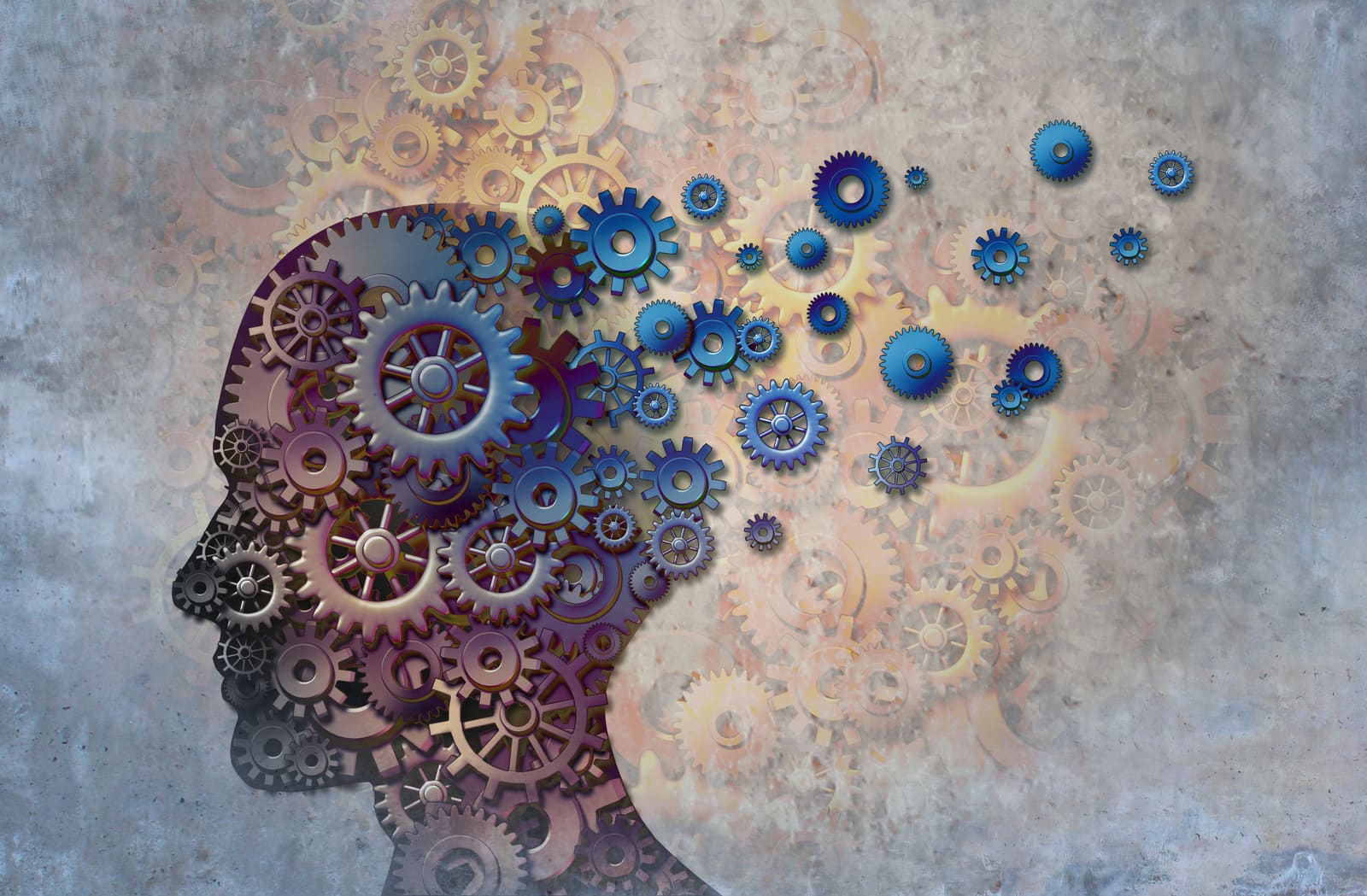
Cognitive decline and aging are not synonymous. While some people may experience significant cognitive decline as they get older, for many aging does not seriously affect their mental faculties.
Normal Aging
Understanding what constitutes normal aging versus cognitive decline is vital. It is normal for memories of years gone by to remain stable. More recent memories may prove more elusive, as does the formation of new memories. In other words, someone who says they do not remember things as well as they once did is displaying normal aging behavior. Older people may have a more difficult time multi-tasking than they once did. The ability to focus on one thing does not change.
Word retrieval may take longer. There are more instances of not being able to remember a certain name or term. The information should eventually come to the individual, but the retrieval process is more cumbersome.
With normal aging, the greatest cognitive changes are performance declines on tasks needing fast information processing and decision making.
Factors Affecting Cognition
Any person showing signs of cognitive decline requires a thorough evaluation. Many factors affecting cognition in the elderly are not problems with the brain. For instance, certain medications can cause side effects impairing cognitive abilities. The person may become drowsier and less responsive.
Nutritional supplements can interact with medications, resulting in cognitive changes. That is why it is imperative to tell the doctor about any supplements or over-the-counter medications taken, as well as prescription drugs. Just because a product does not require a prescription does not mean it is safe.
Older adults may find themselves dealing with vision and hearing issues. Not being able to see or hear well often leads to misunderstandings, but that does not necessarily mean the person’s cognition is faulty. Inability to hear may mean the person cannot follow the conversation or hears things incorrectly.
There are simple strategies a person going through the normal aging process can use as memory aids. Follow a routine and put every item in its own place. For example, do not put your keys or phone down anywhere in the house so finding them again becomes a search, but keep them in the same place every time.
Mild Cognitive Impairment
Mild cognitive impairment (MCI) is the phase between normal aging and dementia. Those with MCI can perform most of their daily activities. While MCI may lead to a greater risk of dementia over time, many people do not worsen significantly. Some with MCI may improve.
MCI symptoms include:
- Increased forgetfulness
- More frequently lose the train of thought
- Issues navigating familiar environments
- Impulsivity or poor decision making
- Family and friends commenting on changes
Although aging is the major risk factor, people with diabetes, high blood pressure, or high cholesterol are more likely to develop MCI. The same holds true for those who are obese, depressed, smokers, or with little education. Managing these conditions can help reduce risk.
Other ways to lower your MCI risk include:
- Eating a healthy diet
- Obtaining restful sleep
- Exercising regularly
- Limiting alcohol consumption
- Maintaining social ties
- Stimulating the mind
If hearing becomes a problem use a hearing aid.
Rather than a test per se, doctors use certain criteria to determine if a patient has MCI. These include reviewing their medical history to see if there is a decline in mental functioning. A standard mental status test aids in cognitive performance assessment. Blood tests may rule out other reasons, such as hypothyroidism, that may affect cognition.
There are no treatments available currently for MCI.
Subjective Cognitive Decline
Many older people realize their cognitive skills and memories are waning. Subjective cognitive decline (SCD) is the personal reporting of increasing memory loss, confusion, and other signs of impairment. Roughly one in nine adults reports experiencing these symptoms more frequently over the prior year. Approximately 30 percent of those with SCD live alone. SCD prevalence is slightly higher among males than females.
SCD may affect the way a person functions. That may mean forgetting to take medication, or no longer having the ability to perform basic tasks such as paying bills. Women reported higher levels of SCD affecting their daily functioning than men.
Less than half of those experiencing SCD discuss the situation with a healthcare provider.
Cognitive Decline and Chronic Diseases
One-quarter of adults with SCD have a history of heart disease or stroke. The more chronic diseases a person has, the more likely they are to suffer cognitive decline. Chronic diseases include:
- Arthritis
- Asthma
- Cardiovascular issues, such as coronary heart disease
- Cancer
- Diabetes
Mental stress takes a toll on cognition. Depression, anxiety, and emotional overload contribute to frequent mental stress. One-third of those with SCD acknowledge dealing with frequent mental stress.
Good management of chronic illness and stress may help lower the number of people reporting SCD.
Sources
General information, not medical advice
This article can't account for your health history or current treatment. Talk to a qualified clinician before you change anything about your care.
Read our medical disclaimer →
On this page
Normal Aging
Factors Affecting Cognition
Mild Cognitive Impairment
Subjective Cognitive Decline
Cognitive Decline and Chronic Diseases
Sources
Put what you read to work
Track your medicines, check a symptom and talk with people managing the same condition, all in Healthread.
Get the app
Keep reading

Mental Health
Bipolar I vs. Bipolar II
Bipolar I and II are the most common types of mental health disorders. While they both share certain similarities, they have two key differences.
August 8, 2024 · 3 min read

Mental Health
Narcissistic Personality Disorder (NPD)
NPD is a mental health condition that is characterized by an inflated opinion of oneself. Someone who is narcissistic may feel more important than other people.
May 4, 2024 · 3 min read

Mental Health
What is Treatment-Resistant Depression?
Treatment-resistant depression is a form of major depressive disorder that fails to respond to the standard depression treatments involving taking an anti-depressant or going to psychotherapy.
February 3, 2024 · 3 min read


© 2026 Healthread
English · Español
Healthread does not provide medical advice, diagnosis or treatment. Always speak to a qualified clinician about your care.