

Chronic stress should come with a warning label.
As the National Institute of Mental Health (NIMH) points out, being chronically stressed can disrupt important systems and processes in your body and brain and lead to uncomfortable physical and mental symptoms. Stress also been associated with chronic health problems including anxiety, depression, heart disease, diabetes, and even cancer.
Having any one of these health conditions is stressful enough. So to think that being stressed can exacerbate or increase the risk of an underlying health condition only adds insult to injury.
The good news is, your stress level and mental well-being are within your power to improve. Even if you've been facing mental health issues for years or are currently experiencing a stressful life challenge, there are many things you can do (today even!) to start feeling better.
25 Awesome Things to Do For Your Mental Health
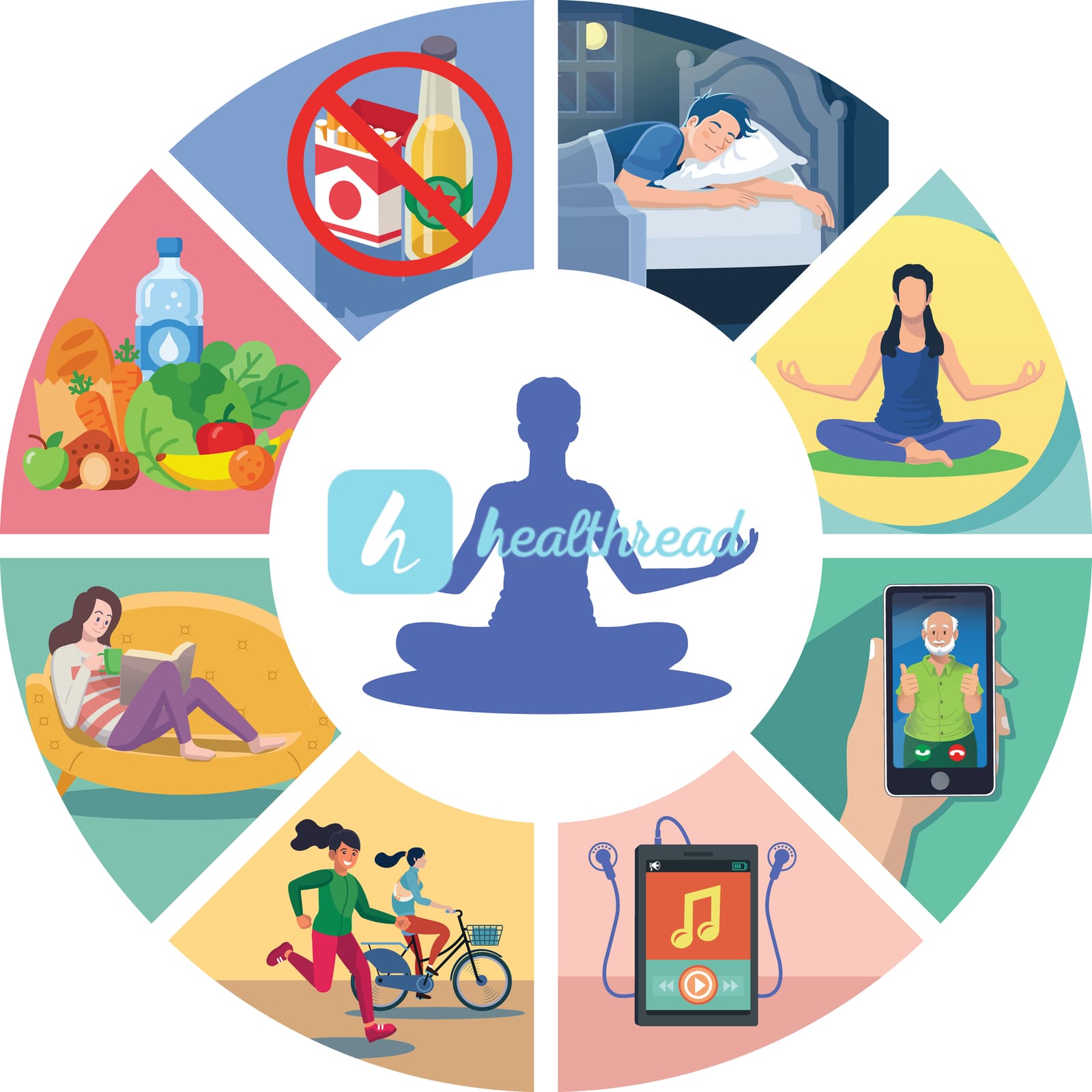
- 1.Move every day. Even just walking briskly for 10 minutes can be enough to elevate mood and increase energy.
- 2.Eat nutritious food. Fruits, vegetables, and healthy fats like olive oil gives your brain the nutrients it needs to function well, and can even help reduce inflammation which has been linked to stress in studies. Include a variety of whole foods and talk to your doctor about adding certain supplements to make up for any nutrient deficiencies, some of which (like vitamin B12) are linked to cognitive impairment.
- 3.Talk to a friend. There's never a better time to lean on your support system than when you're feeling overwhelmed.
- 4.Do something kind for someone. Try volunteering, writing a thank you note, or even sending someone a nice text. Helping others is recognized by the Association of Psychological Science as a way to increase your own mental health.
- 5.Play with your pet. If you don't have pets, offer to watch a friend's animal for the day or help out at the local animal shelter.
- 6.Spend time outdoors. Spending time in a natural surrounding like a beach, forest, or even a city park is linked to a better sense of well-being.
- 7.Get good sleep. Sleep and insomnia have a two-way relationship—having one can increase the risk of the other, and vice versa. Promote better sleep by keeping your bedroom cool and dark and going to bed at the same time every night.
- 8.Meditate. Prayer, mindfulness meditation, Transcendental Meditation, mantra meditation, or even a full-body relaxation technique known as yoga nidra are all different ways to access the beneficial effects of a meditative state, which has been shown to influence brain waves, reduce blood pressure, and ease stress. Check out YouTube or an app like Insight Timer or Headspace for free guided meditations.
- 9.Power down your screens. Taking occasional breaks from social media or stressful action-backed television can help you calm down.
- 10.Join an online support group. Connecting with others via the internet may seem impersonal. But finding a safe online community to share your experiences and get inspiration is a great way to de-stress and alleviate feelings of isolation. We'd certainly love to have you here at Healthread!
- 11.Hone your time management skills. Sometimes, the easiest way to reduce your stress is to change how you do things. Look for resources to help you learn about saying no, delegating tasks, managing your workload, and staying more organized.
- 12.Write in a journal. Jotting down your thoughts, worries, goals, and affirmations, or even letting your pen fly in stream-of-consciousness can clear your mind.
- 13.Keep a water bottle close by. Staying well hydrated is believed to boost cognitive performance. Not too surprising, since water makes up about 75% of your brain tissue!
- 14.Watch the vices. While things like shopping, alcohol, television, sugary sweets, and cigarettes may help you feel less stressed out momentarily, if used excessively or inappropriately they can lead to negative consequences for your health and life. Know which ones to skip altogether (like cigarettes and binge drinking) and know which ones to enjoy in moderation.
- 15.Laugh. Listen to a comedy podcast, get your hilarious friend on the phone, read a funny book, or relax with a comedic move. Laughing is a well-known (and enjoyable!) way to reduce stress levels and boost mood.
- 16.Clean. Clutter in your home or workspace can be an indicator of a stressed out mind, but it may also increase your sense of stress, too. Set aside five minutes to tackle one small area of your home or office that you can clean and organize.
- 17.Do something you're good at. Give yourself a confidence boost by doing something you excel at and enjoy. It's a good reminder of the capable person you are.
- 18.Get a massage. Massage is a known stress reliever and can also ease pain and physical tension which often come hand in hand with mental health problems.
- 19.Get holistic. Have you been wanting to try acupuncture or a float tank for a while? Curious about red light therapy or sauna bathing? With your doctor's supervision as necessary, feel free to explore some alternative de-stressing methods and find out what you like.
- 20.Play. Get lost in a game with your kids, do some goofy dancing in your living room, or pick up a new hobby or activity just because.
- 21.Deeply breathe. Deep breathing actually kicks on a part of your nervous system that helps you relax. Try this: breathe in through the nose for four seconds, hold for four seconds, breathe out through the mouth for four seconds, and wait for four seconds before inhaling again. Repeat four to six times.
- 22.Create a simple self-care routine. Reducing stress isn't just a one-time thing. Be kind to yourself by creating a short stress-relieving routine you can do every day.
- 23.Talk to your doctor. If you're feeling stressed out about another underlying health condition, be sure to let your doctor know. He or she may be able to adjust your treatment or refer you to other providers who can help you better manage your condition (such as a physical therapist if you're experiencing joint pain).
- 24.Consult with a mental health professional. Anyone can benefit from therapy, even people without diagnosable mental health conditions. A skilled therapist or counselor can help you develop coping and communication skills, understand and express your feelings, appropriately address and problem-solve your stressful issues, and have someone to talk to in a private and non-judgmental environment.
- 25.Enroll in a research study. There may be ongoing clinical trials in your area looking for participants who can help researchers learn about stress and effective ways to manage it.
If you're currently living with a chronic medical condition or the caregiver of someone who is, managing your stress is important for your health and quality of life. Even if you're feeling well, practicing stress-relief techniques can ensure you'll have good habits to lean on if and when life does get more stressful than usual.
What do you do to de-stress? Let the Healthread community know. We'd love to hear your suggestions!
Sources
- 1uhs.umich.edu/tenthings
- 2apa.org/monitor/2011/01/stressed-america
- 3ncbi.nlm.nih.gov/pmc/articles/PMC5476783/
- 4urmc.rochester.edu/encyclopedia/content.aspx?ContentTypeID=1&ContentID=2171
- 5journals.sagepub.com/doi/abs/10.1177/2167702615611073
- 6mayoclinic.org/healthy-lifestyle/stress-management/in-depth/stress-relief/art-20044456
- 7mhanational.org/31-tips-boost-your-mental-health
- 8sleepfoundation.org/articles/stress-and-insomnia
- 9frontiersin.org/articles/10.3389/fnhum.2013.00363/full
- 10nicabm.com/changing-the-brain-with-meditation-whats-sleep-got-to-do-with-it/
- 11usgs.gov/special-topic/water-science-school/science/water-you-water-and-human-body?qt-science_center_objects=0#qt-science_center_objects
General information, not medical advice
This article can't account for your health history or current treatment. Talk to a qualified clinician before you change anything about your care.
Read our medical disclaimer →
Put what you read to work
Track your medicines, check a symptom and talk with people managing the same condition, all in Healthread.
Get the app
Keep reading
Mental Health
Bipolar I vs. Bipolar II
Bipolar I and II are the most common types of mental health disorders. While they both share certain similarities, they have two key differences.
August 8, 2024 · 3 min read

Mental Health
Narcissistic Personality Disorder (NPD)
NPD is a mental health condition that is characterized by an inflated opinion of oneself. Someone who is narcissistic may feel more important than other people.
May 4, 2024 · 3 min read

Mental Health
What is Treatment-Resistant Depression?
Treatment-resistant depression is a form of major depressive disorder that fails to respond to the standard depression treatments involving taking an anti-depressant or going to psychotherapy.
February 3, 2024 · 3 min read


© 2026 Healthread
English · Español
Healthread does not provide medical advice, diagnosis or treatment. Always speak to a qualified clinician about your care.