

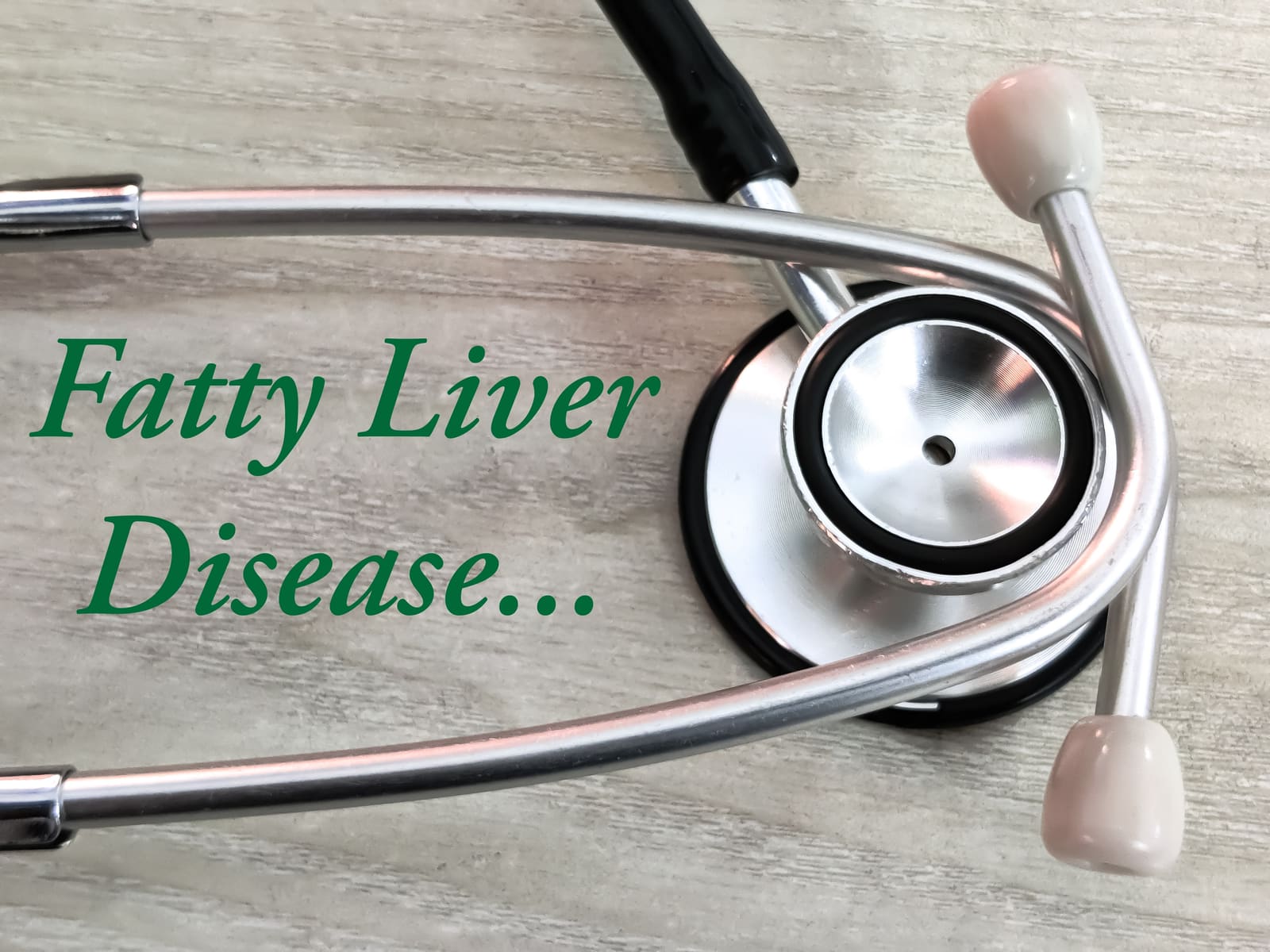
Fatty liver disease (FLD), also known as steatosis, is a condition that occurs due to a high accumulation of fats in the liver. Fatty liver disease with significant inflammation will progress toward cirrhosis, significantly increasing the risk of Hepatocellular cancer.
With more than 3 million people in the U.S. currently diagnosed with FLD, NASH, or nonalcoholic steatohepatitis, it is considered a primary cause of hepatocellular carcinoma in the country.
What is Fatty Liver Disease?
The liver is responsible for metabolizing food and eliminating wastes from the body. Excess fat buildup in the liver can harm the liver, increasing the risk of developing liver cancer.
Nonalcoholic fatty liver disease(NAFLD) is caused because of factors other than drinking too much alcohol.
NAFLD includes two types of fatty liver disease based on severity.
NAFL or Nonalcoholic fatty liver
The nonalcoholic fatty liver typically shows as an enlarged liver, causing discomfort. It does not cause liver damage or inflammation and generally is less likely to have complications.
NASH or Nonalcoholic steatohepatitis
A more severe type of fatty liver disease, NASH, may cause liver inflammation and damage. A damaged liver can have liver stiffness or liver scarring. A liver with significant scarring is called cirrhosis.
Cirrhosis can cause liver failure and may require a liver transplant. It is unknown why some NAFL progresses to NASH while others do not.
Why does some NAFLD become NASH?
People with NAFLD can progress to a severe form of liver inflammation called NASH if they have one or more of the following conditions.
- Type 2 diabetes
- Higher fat content in the blood, which can show as a higher level of triglyceride and poor cholesterol levels
- Obesity with a BMI of 30 or more with fat accumulated around the abdomen
- Metabolic syndrome with one or more conditions related to it
Metabolic syndrome happens if you have three or more conditions like obesity, high triglycerides, poor cholesterol levels, high blood pressure, and high glucose levels.
What causes fatty liver disease?
Although not entirely known, scientists have identified several factors that can cause the condition.
- Insulin resistance
- Consuming too much iron, refined foods, and cholesterol
- Genetic changes like a variation in the gene PNPLA3 can inhibit the breaking down of fats in the liver
What are the symptoms of nonalcoholic fatty liver disease?
Typically, NAFLD has few to no symptoms, making it difficult to diagnose. Some people may experience pain in the right side of the abdomen with fatigue and discomfort. As the disease progresses, the patient may experience the following:
- Jaundice
- Fluid in the stomach
- Weight loss
Symptoms of cirrhosis may include:
- Loss of appetite
- Nausea
- Weight loss
- Jaundice
- Fatigue and weakness
- Swelling
Is there a link between FLD and liver cancer?
Even though at the initial stage, fatty liver disease does not pose any health problems, the disease can progress to liver failure or cirrhosis. Other health conditions like obesity, diabetes, or hepatitis can increase the risk of further developing an FLD to liver cancer.
Adults with liver cirrhosis are at an increased risk of developing hepatocellular carcinoma, a type of liver cancer. The cancer begins in the primary liver cells (hepatocytes) and spreads throughout the organ as small cancer nodules.
How is fatty liver disease diagnosed?
People with NAFLD may have a higher amount of liver enzymes. Imaging tests like ultrasound or MRI (magnetic resonance imaging) can show fatty liver. Other specialized techniques may detect cirrhosis and fibrosis. Sometimes, a liver biopsy can be done to see the extent of liver damage.
Even though there is no screening recommendation for NAFLD and NASH, people with metabolic syndrome can get tested for the conditions.
What is the treatment for fatty liver disease?
Since no FDA-approved medication exists to treat fatty liver disease, a healthy lifestyle can reduce cancer risk while maintaining the condition. You can practice a healthy lifestyle by:
- Keeping a healthy weight
- Eating a balanced plant-based diet
- Incorporating exercise into your daily routine
Source links:
- 1cancer.gov/news-events/cancer-currents-blog/2023/fatty-liver-disease-cancer-metastasis
- 2mdanderson.org/publications/focused-on-health/fatty-liver-and-your-cancer-risk.h18-1592202.html
- 3cancer.net/blog/2022-04/what-know-about-nonalcoholic-fatty-liver-disease-nafld-and-its-link-cancer
- 4roswellpark.org/cancertalk/202210/fatty-liver-disease-link-liver-cancer
- 5mayoclinic.org/diseases-conditions/liver-cancer/symptoms-causes/syc-20353659
- 6cancercenter.com/cancer-types/liver-cancer/risk-factors/non-alcoholic-fatty-liver-disease
General information, not medical advice
This article can't account for your health history or current treatment. Talk to a qualified clinician before you change anything about your care.
Read our medical disclaimer →
On this page
What is Fatty Liver Disease?
NAFL or Nonalcoholic fatty liver
NASH or Nonalcoholic steatohepatitis
Why does some NAFLD become NASH?
What causes fatty liver disease?
What are the symptoms of nonalcoholic fatty liver disease?
Is there a link between FLD and liver cancer?
How is fatty liver disease diagnosed?
What is the treatment for fatty liver disease?
Put what you read to work
Track your medicines, check a symptom and talk with people managing the same condition, all in Healthread.
Get the app
Keep reading
Cancer-Updates
Gynecologic Cancer
Gynecologic cancer is a term used to describe a group of cancers that affect the female reproductive system. There are five types of gynecologic cancers named after the body part where they start.
November 5, 2024 · 3 min read
Cancer-Updates
Anal Cancer
Anal cancer is caused when the cancer cells in the anus grow uncontrollably, forming masses or tumors. The cancer cells can sometimes spread to other body parts, causing metastatic cancer.
August 18, 2024 · 3 min read

Cancer-Updates
Bile Duct Cancer (Cholangiocarcinoma)
Bile duct cancer, or cholangiocarcinoma, is a cancer that occurs in the bile ducts, the slender tubes that collect bile, a fluid made by the liver for breaking down fats in the digestion process.
April 17, 2024 · 2 min read


© 2026 Healthread
English · Español
Healthread does not provide medical advice, diagnosis or treatment. Always speak to a qualified clinician about your care.