

FDA Approves First Medication For Treatment of Postpartum Depression
September 1, 2023
3 min read
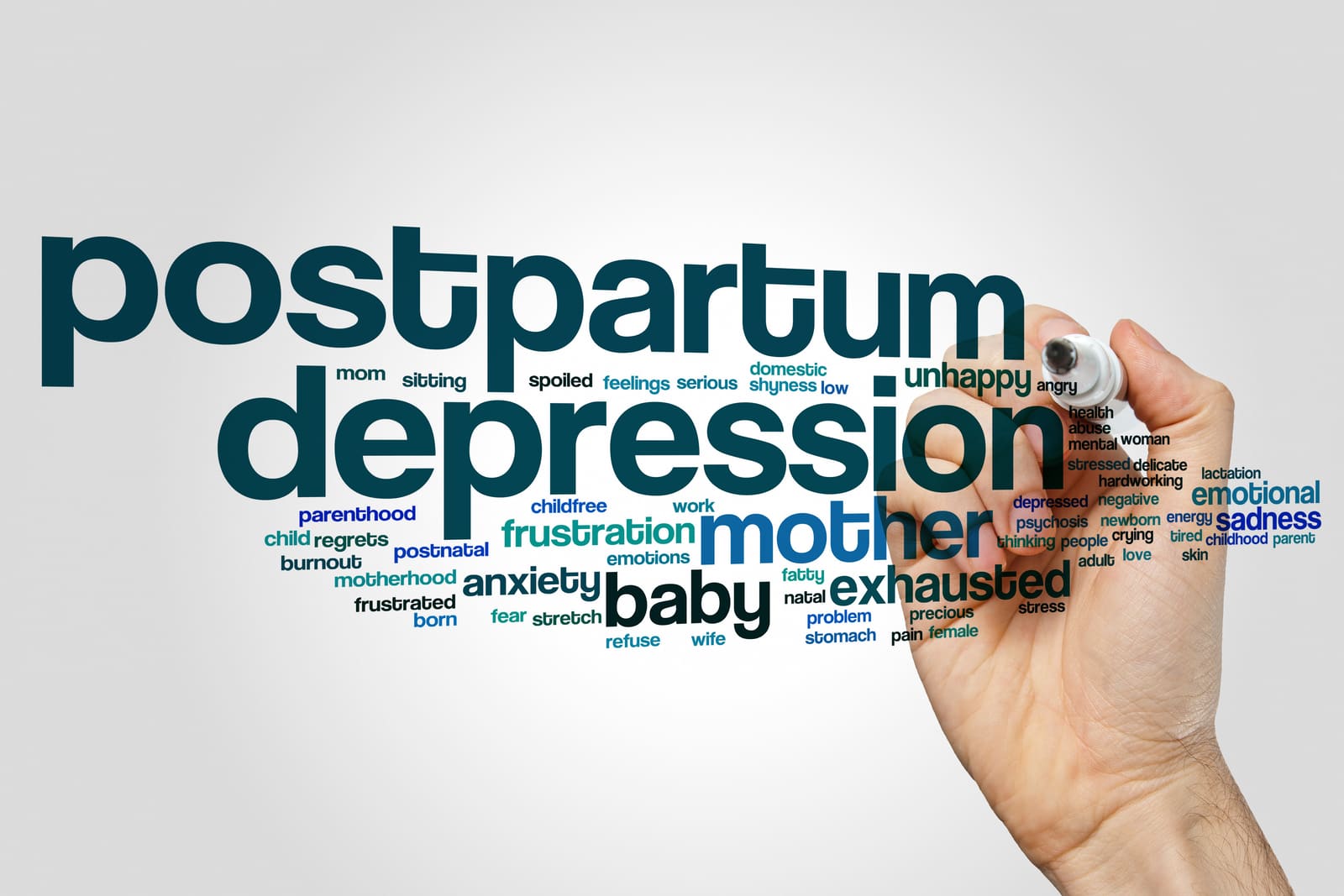
The Food and Drug Administration approved Zurzuvae (zuranolone) on August 4, 2023, as the first-ever oral pill in the United States to treat postpartum depression in women.
Postpartum depression (PPD) is a serious and potentially life-threatening depressive episode that typically occurs in women after childbirth. It can also happen during the later stages of pregnancy.
Earlier, the treatment for PPD was available in the form of an FDA-approved Zulresso (brexanolone) injection provided intravenously in women with PPD symptoms.
Zurzuvae is available as a once-daily pill for 14 days to treat extreme life-threatening depression in women.
The medicine was jointly developed by pharmaceutical companies Sage Therapeutics and Biogen.
What is Postpartum Depression?
Postpartum depression is a type of depressive disorder seen in women after childbirth or in the later stages of pregnancy.
Most women experience postpartum or “baby blues,” which commonly include mood swings, sleeplessness, and anxiety for two to three days following childbirth.
When such experiences become severe and disrupt everyday life, it becomes postpartum depression. PPD is also known as peripartum depression, as the symptoms start during pregnancy and continue after childbirth.
The depressive disorder can occur because of the physical, hormonal, emotional, social, and financial changes experienced by the new mother after having a baby.
Women with PPD often experience sadness, guilt, and worthlessness that can affect the maternal-infant bond, disrupting the child’s physical and emotional development. In severe cases, women can have postpartum psychosis that increases the risk of suicide and harm to the child.
What are the symptoms of postpartum disorders?
Women with postpartum depression can have the following symptoms.
- Loss of interest in hobbies or things previously enjoyed;
- A feeling of sadness, hopelessness, and guilt;
- Loss of energy and motivation;
- Crying excessively for no reason;
- Sleeplessness;
- Change in appetite or no appetite;
- Lack of interest in baby or feeling of anxiety around the baby;
- Suicidal thoughts;
- Thoughts of hurting the baby.
How are postpartum disorders treated?
Earlier, postpartum depression was treated based on the severity of the symptoms.
Doctors prescribed anti-anxiety and anti-depressant medications to treat the symptoms. Talk therapy, cognitive behavioral therapy, and counseling with mental health professionals were recommended to balance out the emotions.
Until Zulresso and Zurzuvae, no FDA-approved specific anti-depression medications were available to treat PPD.
How does Zuranolone work in treating PPD symptoms in women?
Zuranolone is a synthetic hormone, also known as a neuroactive steroid, that synthesizes the brain, regulating mood and behavior. Studies show that people with depression have very low GABA levels. The pills stimulate the release of GABA receptors, which significantly regulate stress, anxiety, and mood in people.
Zurzuvae is currently available as a once-a-day pill of a dose of 50mg. The medicine must be taken for 14 days, in the evening, with a fatty meal.
Being a medicine in a pill form, Zurzuvae is most beneficial to women with challenges accessing PPD treatments, especially women in low-income families and those with limited access to healthcare.
What are the side effects of Zuranolone as a postpartum depression treatment?
Zurzuvae(zuranolone) includes a warning indicating that the medication can impact a person’s ability to drive or perform hazardous activities. To reduce the risk, women taking the medicine must not drive or use hazardous machinery within 12 hours after taking the medication.
Other side effects include the common cold or nasopharyngitis, drowsiness, fatigue, dizziness, diarrhea, and urinary tract infection. Zurzuvae may aggravate the suicidal tendencies and cause fetal harm.
The clinical trial with Zurzuvae was conducted for 45 days on women who were not breastfeeding. Further studies are needed to understand the long-term impact of the medicine on breastfeeding mothers and mother-child interactions.
When to see a doctor for postpartum depression?
You must seek professional help if:
- The PPD symptoms last more than two weeks.
- You cannot function normally, or the symptoms are disrupting your daily life.
- You have thought of self-harming or harming your baby.
- You feel severe anxiety, panicked, or scared most of the time.
You must seek immediate help if you have suicidal tendencies or thoughts of harming someone else.
- Dial 911 in an emergency or,
- Call the Suicide and Crisis Lifeline at 988 for confidential and free emotional support. You can connect directly using the chat feature.
Sources
- 1fda.gov/news-events/press-announcements/fda-approves-first-oral-treatment-postpartum-depression
- 2fda.gov/news-events/press-announcements/fda-approves-first-treatment-post-partum-depression
- 3cnn.com/2023/08/04/health/fda-approves-first-postpartum-depression-pill-in-the-us/index.html
- 4nbcnews.com/health/health-news/first-pill-postpartum-depression-fda-approval-rcna97731
- 5aha.org/news/headline/2023-08-07-fda-approves-first-pill-treat-postpartum-depression
- 6nature.com/articles/d41573-023-00134-5
- 7mayoclinic.org/diseases-conditions/postpartum-depression/symptoms-causes/syc-20376617
- 8my.clevelandclinic.org/health/diseases/9312-postpartum-depression
- 9womenshealth.gov/mental-health/mental-health-conditions/postpartum-depression
- 10psychiatry.org/patients-families/peripartum-depression/what-is-peripartum-depression
- 11ncbi.nlm.nih.gov/pmc/articles/PMC3412149/
General information, not medical advice
This article can't account for your health history or current treatment. Talk to a qualified clinician before you change anything about your care.
Read our medical disclaimer →
On this page
What is Postpartum Depression?
What are the symptoms of postpartum disorders?
How are postpartum disorders treated?
How does Zuranolone work in treating PPD symptoms in women?
What are the side effects of Zuranolone as a postpartum depression treatment?
When to see a doctor for postpartum depression?
Put what you read to work
Track your medicines, check a symptom and talk with people managing the same condition, all in Healthread.
Get the app
Keep reading

Mental Health
Bipolar I vs. Bipolar II
Bipolar I and II are the most common types of mental health disorders. While they both share certain similarities, they have two key differences.
August 8, 2024 · 3 min read

Mental Health
Narcissistic Personality Disorder (NPD)
NPD is a mental health condition that is characterized by an inflated opinion of oneself. Someone who is narcissistic may feel more important than other people.
May 4, 2024 · 3 min read

Mental Health
What is Treatment-Resistant Depression?
Treatment-resistant depression is a form of major depressive disorder that fails to respond to the standard depression treatments involving taking an anti-depressant or going to psychotherapy.
February 3, 2024 · 3 min read


© 2026 Healthread
English · Español
Healthread does not provide medical advice, diagnosis or treatment. Always speak to a qualified clinician about your care.