

How to manage Side Effects of Medications used for treatment of Depression
September 13, 2020
4 min read
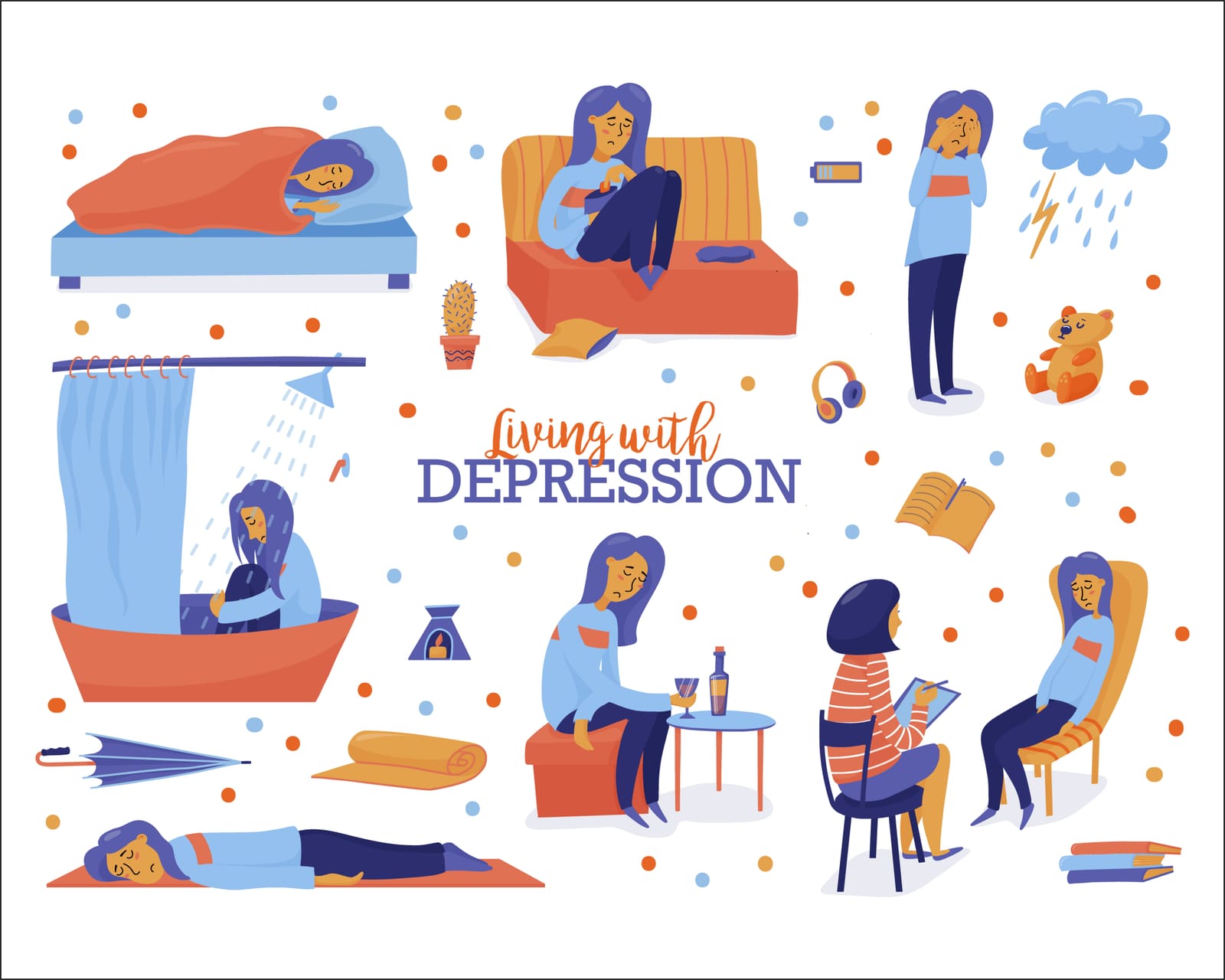
According to the Psychiatric Times, drugs that help to treat the symptoms of depression are among the most widely prescribed drugs in the United States and Europe, with between 6% and 10% of people being treated with them. Some of these drugs can cause undesirable side effects. Psychiatric Times reports that between 31% and 60% of people who've received antidepressant medications stop taking them because of negative side effects. At least 80% of patients have at least one adverse or undesirable side effect from depression medications. Side effects can be managed, and there are ways to reduce their ill effects while still receiving benefits from anti-depression medication.
Work with your clinician
Some side effects start shortly after taking an antidepressant medication. Your mental health professional or physician can monitor the levels of medication in your blood and adjust your dosage. Adjusting the dosage can help to reduce undesirable side effects and continue the benefits of the medication for you. However, it's important not to stop taking the medication suddenly, even if the side effects seem severe. Always consult your clinician first.
Managing Nausea
Nausea is one of the most common side effects of medication to treat depression. It's often an early symptom when you start taking the antidepressant, and it can grow less over time after your body adjusts. You can help to reduce the nausea by:
- Taking the medication with food (unless directed otherwise)
- Eating smaller, more frequent meals
- Suck on sugar-free candy
- Drink water
- Pepto-Bismol or antacids can help
You may benefit from a lower dosage of medication or be able to take a time-released form of your medication.
Managing Weight Gain
Some medications for depression can lead to weight gain for a variety of reasons, including increased appetite, fluid retention, or lack of physical activity. If the antidepressant you've been prescribed can cause unwanted weight gain, you should talk with your physician to discuss strategies to reduce the issue.
Ways to reduce unwanted weight gain due to antidepressant medication include:
- Eating lower calorie, high nutrition food including fruits and vegetables
- Avoiding excess saturated fat and trans fats
- Start keeping a food diary and tracking what you eat
- Cut back on sugary foods and drinks
- Get regular physical activity - at least 30 minutes a day
If you're still gaining weight, work with your provider to find an optimal solution between medication benefits and weight gain.
Managing Tiredness and Drowsiness
Many medications that can treat depression cause fatigue and sleepiness during the day. These problems can lessen over time, but you can cope with them using the following strategies:
- Take naps if possible
- Get adequate physical activity
- Don't drive or operate heavy machinery if you're feeling tired
- Take the medication in the evening or at bedtime if possible
Managing Sleeplessness/Insomnia
While some antidepressants make you sleepy, others can have the opposite effect. If you're finding it difficult to sleep, here are some strategies that could help:
- Taking the medication in the morning
- Avoiding caffeine, especially after 12:00 noon
- Get sufficient exercise and physical activity
- Consider a medication that could improve sleep if your clinician advises that it's safe.
Coping with Dry Mouth
Many medications that are prescribed for depression cause dry mouth. Dry mouth can harm oral health over time, and it also causes bad breath (halitosis). You can counteract dry mouth with the following strategies:
- Sip water throughout the day
- Chew sugar-free gum or suck on sugar-free candy
- Avoid tobacco, alcohol, and caffeine
- Avoid mouth breathing
- Brush and floss your teeth daily and seek regular dental care
- Talk to your physician or your dentist about prescription medications for dry mouth
Reducing Constipation
Tricyclic antidepressants, including Elavil, Tofranil, Sinequan, and Anafranil, are sometimes prescribed for depression, but the way they work can slow down the digestive tract, leading to constipation. You can speed up your digestion and reduce constipation by:
- Drinking water
- Eating high fiber foods, including vegetables, fruits, and whole grains
- Getting regular exercise
- Taking a fiber supplement
Stool softeners may also help constipation.
Managing anxiety and restlessness
Depression is sometimes described as a disease of "no movement," and anti-depressants can help with this problem, but also lead to anxiety and restlessness. If you're feeling over-energized when you begin a new medication or start taking an anti-depressant, these strategies may help reduce the problem:
- Get regular physical exercise, including biking, hiking, jogging, or aerobics.
- Practice deep breathing and relaxation techniques
If you experience rapidly-racing thoughts along with lots of energy and inability to sleep, speak with your physician as quickly as possible, because it could be a sign of bipolar disorder.
Improving sex drive and performance
Antidepressants can interfere with sexual desire and performance. Men may have erectile dysfunction (ED) and women may experience reduced sexual desire. Both genders can experience difficulty achieving orgasm. To help manage reduced sex drive and/or ED, the following strategies could help:
- Consider timing sex before you take daily medication
- Talk with your provider about switching to a medication with fewer sexual side effects
- Adjust your sexual routine
- Consider medications like Viagra
Don't take over-the-counter herbal sexual supplements. Many of them are ineffective and some may have negative side effects.
If you're experiencing any negative side effects of your anti-depressant medication, don't stop taking the medication before speaking with your mental health provider or family doctor.
Sources
General information, not medical advice
This article can't account for your health history or current treatment. Talk to a qualified clinician before you change anything about your care.
Read our medical disclaimer →
On this page
Work with your clinician
Managing Nausea
Managing Weight Gain
Managing Tiredness and Drowsiness
Managing Sleeplessness/Insomnia
Coping with Dry Mouth
Reducing Constipation
Managing anxiety and restlessness
Improving sex drive and performance
Sources
Put what you read to work
Track your medicines, check a symptom and talk with people managing the same condition, all in Healthread.
Get the app
Keep reading

Mental Health
Bipolar I vs. Bipolar II
Bipolar I and II are the most common types of mental health disorders. While they both share certain similarities, they have two key differences.
August 8, 2024 · 3 min read

Mental Health
Narcissistic Personality Disorder (NPD)
NPD is a mental health condition that is characterized by an inflated opinion of oneself. Someone who is narcissistic may feel more important than other people.
May 4, 2024 · 3 min read

Mental Health
What is Treatment-Resistant Depression?
Treatment-resistant depression is a form of major depressive disorder that fails to respond to the standard depression treatments involving taking an anti-depressant or going to psychotherapy.
February 3, 2024 · 3 min read


© 2026 Healthread
English · Español
Healthread does not provide medical advice, diagnosis or treatment. Always speak to a qualified clinician about your care.