

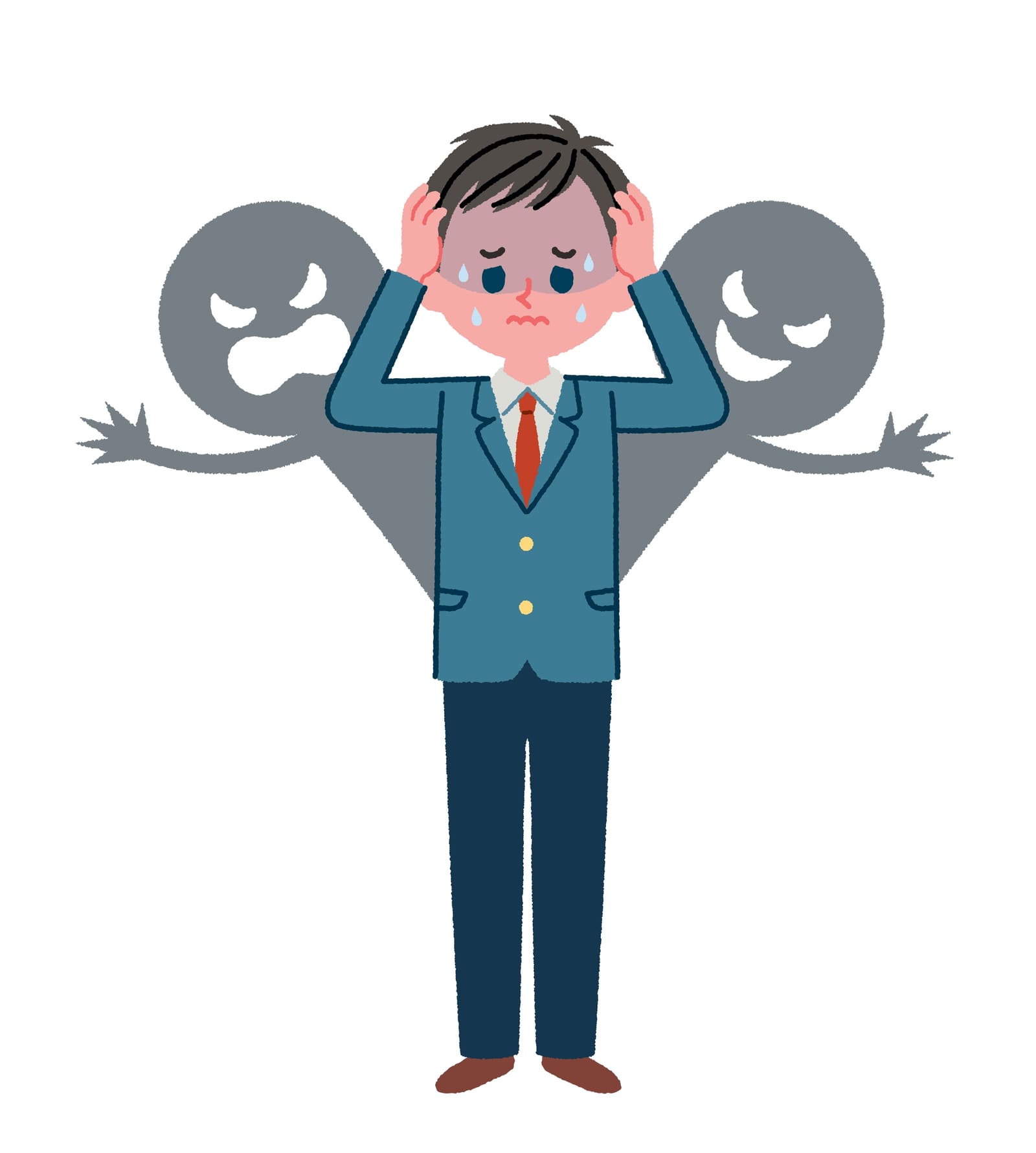
For the highly sensitive person (HSP), strong scents, bright lights, loud noises, and itchy clothing can deeply affect them. Sometimes, it might seem like they can intuit another individual's feelings, picking up their anger, sadness, or loneliness before they've even said a single word.
Along with this, sensory experiences, such as listening to music, can overwhelm them with emotion.
What Is a Highly Sensitive Person?
The term “highly sensitive person”, (HSP), was coined by Dr. Elaine Aron, psychologist. According to her theory, highly sensitive people are a separate group of the population who are high in the sensory-processing sensitivity (SPS) personality trait. People with high levels of SPS show:
- Stronger reactivity to both internal and external stimuli; light, pain, noise, and hunger
- An increased emotional sensitivity
- A complex inner life
For further reading, you can check out the book titled “The Highly Sensitive Person: How to Thrive When the World Overwhelms You”, which Elaine N. Aron, Ph.D. authors.
Some ways your life might be impacted by being an HSP are:
- You may be greatly touched by emotionality or beauty. HSPs tend to feel very moved by all the surrounding beauty. They might cry when they watch a certain heartwarming video and can empathize with others' feelings, both positive and negative.
- You might avoid circumstances that leave you feeling overwhelmed. HSPs might be more impacted by certain circumstances like violence, tension and conflict, which might cause them to avoid things that make them uncomfortable.
- You might be grateful for your life. HSPs appreciate a good meal, a fine wine, or a beautiful song on levels most individuals can't access. They might feel more grateful for the things they have in life, knowing nothing is certain.
- You might experience a close relationship with others. HSPs care about their friends deeply and tend to form deep relationships with the right individuals.
What Are the Symptoms of a Highly Sensitive Person?
Highly sensitive people have the following traits:
- You're easily overwhelmed by things like strong smells, bright lights, sirens, or coarse fabrics.
- You make a point to avoid violent TV shows and movies.
- You become rattled when you have a lot of things to do in a limited amount of time.
- You enjoy or notice fine or delicate tastes, scents, works of art, or sounds.
- You make it a priority to arrange your life to the point you avoid overwhelming or upsetting situations
- You need to isolate yourself on busy days, withdrawing yourself into a darkened room or bedroom or another place where you'll have your privacy.
- You have a complex and rich inner life.
- Your parents or teachers saw you as shy or sensitive as a child.
If you understand how to manage to be an HSP, you can turn it into less of a challenge and more of a strength in your life.
Tips for Living Life as a Highly Sensitive Person
Finding ways of coping with stress in everyday life can be especially helpful if you have more of a sensitive personality. A lot of your stress relief plan as an HSP could involve hiding from a lot of stimuli. Place a barrier between the sensory stimuli feeling overwhelming and yourself. Know the different triggers that stress you and learn how to avoid them.
- Avoid stressors such as slasher movies and individuals who sap all your positive energy, make you feel bad about yourself, or expect a lot from you.
- Add positivity by generating more positive experiences in your daily schedule to help insulate you for added stress you might encounter.
- Learn to say no to demands that are overwhelming and feel fine with them. Make a perimeter in your life. Create a safe space. Allow your house to become a soothing atmosphere.
Would You Like to Learn Some Tips on Living Life as an HSP?
For you to really understand and know your health problems you need to fill that remaining gap where you can learn from other people's experiences and share your own. You can do this through the technology platform, Healthread. Healthread provides you with the support that's beyond your family, friends, and doctor. It's not meant to replace your doctor's advice, but rather help you get a better understanding of your condition, in this case being an HSP, and helping you make more informed decisions about your health.
Sources
General information, not medical advice
This article can't account for your health history or current treatment. Talk to a qualified clinician before you change anything about your care.
Read our medical disclaimer →
On this page
What Is a Highly Sensitive Person?
What Are the Symptoms of a Highly Sensitive Person?
Tips for Living Life as a Highly Sensitive Person
Would You Like to Learn Some Tips on Living Life as an HSP?
Sources
Put what you read to work
Track your medicines, check a symptom and talk with people managing the same condition, all in Healthread.
Get the app
Keep reading

Mental Health
Bipolar I vs. Bipolar II
Bipolar I and II are the most common types of mental health disorders. While they both share certain similarities, they have two key differences.
August 8, 2024 · 3 min read

Mental Health
Narcissistic Personality Disorder (NPD)
NPD is a mental health condition that is characterized by an inflated opinion of oneself. Someone who is narcissistic may feel more important than other people.
May 4, 2024 · 3 min read

Mental Health
What is Treatment-Resistant Depression?
Treatment-resistant depression is a form of major depressive disorder that fails to respond to the standard depression treatments involving taking an anti-depressant or going to psychotherapy.
February 3, 2024 · 3 min read


© 2026 Healthread
English · Español
Healthread does not provide medical advice, diagnosis or treatment. Always speak to a qualified clinician about your care.