

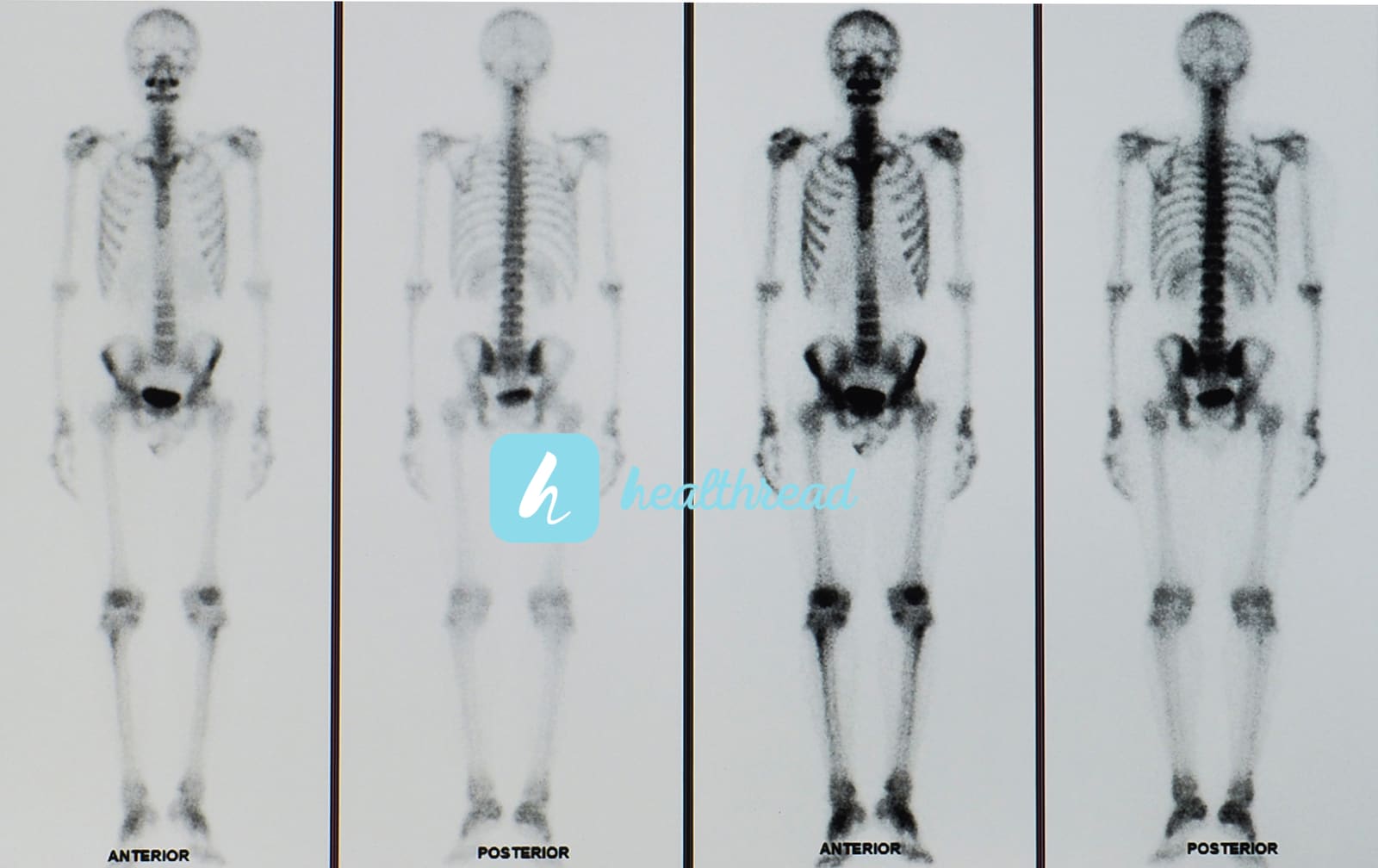
Multiple myeloma is a cancer of the plasma cells. These white blood cells are a critical component of the immune system. Usually, plasma cells create antibodies, which help the body combat infection. When multiple myeloma occurs, affected plasma cells become cancerous.
Multiple myeloma is a relatively rare blood cancer. The disease develops in the bone marrow, which is where normal blood cells grow. The damaged cells clump together and form a tumor. If there is only one tumor, the disease is called a solitary plasmacytoma. When numerous tumors form, the condition is known as multiple myeloma.
Like their healthy counterparts, malignant multiple myeloma cells try to create antibodies, but the body cannot use them. These antibodies contain monoclonal proteins. Also known as M proteins, they may cause kidney damage.
While the disease is not curable, there are various treatment options available that can help patients live with few symptoms. Symptoms may also come and go over time. Some patients go into remission for years, but the disease generally recurs.
Multiple Myeloma Symptoms
Early-stage multiple myeloma has few symptoms. As the disease progresses, symptoms include:
- Broken bones
- Excessive thirst
- Fatigue
- Fevers
- Frequent urination
- Weakness
- Unintended weight loss
Because multiple myeloma weakens bones, symptoms may also include bone pain along with a tendency toward fracture. These fractures most frequently happen in the ribs, pelvis, or spine.
The bone damage may result in hypercalcemia, in which calcium from the bones leaks into the bloodstream. High calcium levels in the blood may result in confusion, appetite loss, nausea, and abdominal pain.
Risk Factors
Multiple myeloma may have a genetic component, as it often runs in families. Older people are the most vulnerable, and the disease frequently strikes African-Americans. Males are more likely to develop multiple myeloma than females. Multiple myeloma seldom occurs in those under age 40 and is usually diagnosed in those 65 and up.
Multiple Myeloma Diagnosis
Because initial symptoms are often vague and similar to other diseases, multiple myeloma may take time to diagnose. That also means it is usually not diagnosed in an early stage but in a later stage where it has already spread.
Diagnostic tests include:
- Blood tests
- Bone marrow biopsy
- Urine tests
X-rays, CT scans, MRIs, or other imaging tests are performed to assess bone issues related to multiple myeloma.
Multiple Myeloma Staging
After diagnosis, multiple myeloma is staged. Staging is based on the number of myeloma cells in the body. The initial stage is referred to as “smoldering.” This means that while cells are detected, they are not presently causing damage. At this stage, doctors may opt for regular surveillance rather than active treatment.
Stage 1 occurs when small numbers of myeloma cells are found in urine and blood. Hemoglobin levels are just slightly lower than normal. X-rays should find normal bone appearance.
Stage 2 involves a higher number of myeloma cells and a sharp decrease in hemoglobin levels. There is a rise in blood calcium levels. X-rays show bone damage.
In Stage 3, there is a high level of myeloma cells, usually accompanied by very low hemoglobin levels. Bone damage increases. The patient may suffer from hypercalcemia. This results in high amounts of calcium in the blood.
Multiple Myeloma Treatment
Even multiple myeloma patient’s disease is unique, and the best treatment depends on various factors. These include age and overall health.
The standard multiple myeloma treatment involves chemotherapy for a few months. When the process is complete, stem cells are harvested. Then, the patient receives high-dose chemotherapy along with a stem cell transplant. The latter is also known as a bone marrow transplant. Certain patients may undergo two bone marrow transplants. That is followed by long-term, low dosage chemotherapy.
Since anemia is so common in multiple myeloma patients, most will receive iron or vitamin B-12 supplements. More severe cases of anemia may require medications to boost the growth of red blood cells or blood transfusions.
Patients may receive immunotherapy, which helps the immune system battle the cancer. Targeted therapies are another option. The specific medication targets weaknesses in cancer cells. The targeted therapy aims to kill off cancer cells. Doctors determine the properly targeted therapy by testing cancer cells to identify various factors, such as protein and genes.
Corticosteroids are given to fight inflammation. They are sometimes given in conjunction with targeted therapies.
The good news is that new therapies for multiple myeloma are in the pipeline, offering patients even more treatment options.
Additional Treatments
Because multiple myeloma may cause a number of side effects or complications, many patients will receive additional treatments to address these issues. For example, a patient with significant bone loss may receive medications that can prevent bone loss and help rebuild bone. Since multiple myeloma affects the body’s ability to fight infection, it is likely doctors will encourage patients to receive certain vaccinations.
Sources
- 1mayoclinic.org/diseases-conditions/multiple-myeloma/symptoms-causes/syc-20353378#:~:text=Multiple%20myeloma%20is%20a%20cancer,crowd%20out%20healthy%20blood%20cells
- 2themmrf.org/multiple-myeloma/symptoms-and-side-effects/
- 3cancer.org/cancer/multiple-myeloma/about/what-is-multiple-myeloma.html
- 4medlineplus.gov/multiplemyeloma.html
- 5myeloma.org/support-groups
General information, not medical advice
This article can't account for your health history or current treatment. Talk to a qualified clinician before you change anything about your care.
Read our medical disclaimer →
On this page
Multiple Myeloma Symptoms
Risk Factors
Multiple Myeloma Diagnosis
Multiple Myeloma Staging
Multiple Myeloma Treatment
Additional Treatments
Sources
Put what you read to work
Track your medicines, check a symptom and talk with people managing the same condition, all in Healthread.
Get the app
Keep reading

Cancer-Updates
Gynecologic Cancer
Gynecologic cancer is a term used to describe a group of cancers that affect the female reproductive system. There are five types of gynecologic cancers named after the body part where they start.
November 5, 2024 · 3 min read

Cancer-Updates
Anal Cancer
Anal cancer is caused when the cancer cells in the anus grow uncontrollably, forming masses or tumors. The cancer cells can sometimes spread to other body parts, causing metastatic cancer.
August 18, 2024 · 3 min read

Cancer-Updates
Bile Duct Cancer (Cholangiocarcinoma)
Bile duct cancer, or cholangiocarcinoma, is a cancer that occurs in the bile ducts, the slender tubes that collect bile, a fluid made by the liver for breaking down fats in the digestion process.
April 17, 2024 · 2 min read


© 2026 Healthread
English · Español
Healthread does not provide medical advice, diagnosis or treatment. Always speak to a qualified clinician about your care.