

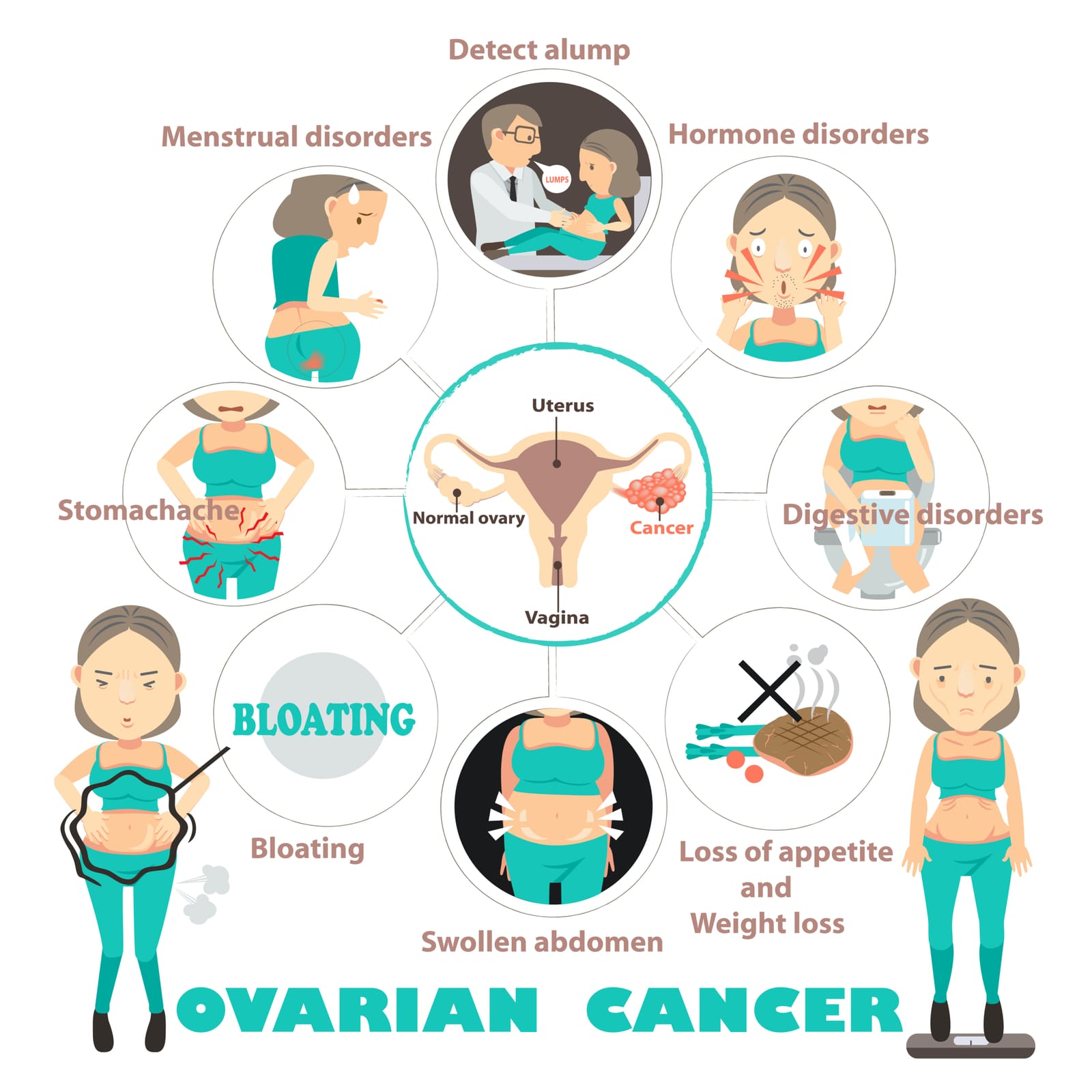
Are you or a loved one affected by ovarian cancer? Living with this condition can lead to a lot of uncertainty and worry. But it may be helpful to know that you're not alone. Every year, about 21,000 women in the United States are diagnosed with this health condition, and the lifetime risk of developing it is about 1 in 78.
In other words, ovarian cancer is more common than you may realize. Keep reading to learn more about this condition, including why it's so important to get early treatment.
Signs, Symptoms, and Risk Factors of Ovarian Cancer
Ovarian cancer usually happens in women who are older than 63, but it can affect women of all ages. Researchers don't exactly know why ovarian cancer happens in some women, but genetics, environment, and lifestyle are all likely involved to some degree. Researchers do know that ovarian cancer appears to start in cells at the end of the fallopian tubes (connecting the ovaries to the uterus) instead of the ovary itself. Different types of ovarian cancerous tumors exist, including epithelial, germ cell, and stromal tumors.
The most common signs and symptoms of ovarian cancer include:
- Bloating
- Feeling full quickly
- Pelvic, back, or abdominal pain
- Urinary urgency (always feeling like you have to pee)
- Urinary frequency (going pee often)
- Constipation
- Pain during sex
- Fatigue
- Changes in menstruation, such as irregular or heavy bleeding
Many other conditions can present with similar symptoms. In fact, if a woman notices these symptoms, it's less likely that ovarian cancer is the cause compared to something else. However, the American Cancer Society recommends that women speak with their doctors if they notice these issues more than 12 times in a month, or if they have any known risk factors for ovarian cancer, including advancing age, cancer in their family, smoking, or other health conditions like obesity, diabetes, or other types of cancer. (Taking hormone replacement therapy after menopause, having children later in life, never having a full-term pregnancy, and using fertility treatment are also recognized as possible risk factors for ovarian cancer.). Ovarian cancer is more highly prevalent among patients with a family history, in particular those with a hereditary cancer syndrome (eg, BRCA1, BRCA2, Lynch syndrome, or others)
Signs and symptoms of ovarian cancer can show up in the early stages, but they often aren't noticeable until the cancer has spread to other areas of the body ,and for this reason Ovarian Cancer has a high mortality rate. So, if you or a loved one ever has any concerns, talk to a doctor.
Diagnosis, Prognosis, and Treatment for Women with Ovarian Cancer
While ovarian cancer is the leading type of cancer affecting the female reproductive system, the rate of diagnosis has been going down over the past couple decades. And researchers and doctors do know that the earlier ovarian cancer is diagnosed, the better the prognosis is. For example, the five-year survival rate for early stage ovarian cancer is more than 90 percent. This means that the majority of women who are diagnosed with ovarian cancer in the early stages will still be alive five years after they first get their diagnosis.
Unfortunately, only about 20 percent of cases of ovarian cancer are detected early. Usually, a woman will not receive a diagnosis until the cancer has already reached an advanced stage, which lowers her chances of survival. And if a woman doesn't have symptoms and isn't considered high risk, her doctor may not recommend any specific screening.
There are a variety of tests that can detect ovarian cancer, however. These include a pelvic exam, a transvaginal ultrasound, and blood test (CA 125 ovarian cancer tumor marker). Pap smears (which can detect cervical cancers) are typically not able to detect ovarian cancer.
Treatment for ovarian cancer may not be the same for every woman, but can include surgery, chemotherapy, radiation, and hormone therapy, such as luteinizing-hormone-releasing hormone (LHRH) agonists, which lower estrogen levels in premenopausal women. Regular communication and follow-up with the medical team is important for women with ovarian cancer, as well as social connection. Research shows that social support can improve psychological well-being and reduce distress following an ovarian cancer diagnosis.
If you or someone you know has ovarian cancer, you may be dealing with a lot of questions right now. If you want some support, including tips on what to ask your doctor and how to manage your symptoms and lifestyle, we invite you to get to know our other Healthread community members who are also affected by this condition.
Sources
- 1cancer.org/cancer/ovarian-cancer/detection-diagnosis-staging/survival-rates.html
- 2cancer.org/cancer/ovarian-cancer/detection-diagnosis-staging/signs-and-symptoms.html
- 3cancer.org/cancer/ovarian-cancer/detection-diagnosis-staging/survival-rates.html
- 4curetoday.com/articles/ovarian-cancer-awareness-month-what-you-need-to-know
- 5cancercenter.com/cancer-types/ovarian-cancer/types
- 6ncbi.nlm.nih.gov/pubmed/28124180
https://www.cancercare.org/support_groups/51-ovarian_cancer_patient_support_group - Ovarian Cancer Patient Support Group
General information, not medical advice
This article can't account for your health history or current treatment. Talk to a qualified clinician before you change anything about your care.
Read our medical disclaimer →
On this page
Signs, Symptoms, and Risk Factors of Ovarian Cancer
Diagnosis, Prognosis, and Treatment for Women with Ovarian Cancer
Sources
Put what you read to work
Track your medicines, check a symptom and talk with people managing the same condition, all in Healthread.
Get the app
Keep reading

Cancer-Updates
Gynecologic Cancer
Gynecologic cancer is a term used to describe a group of cancers that affect the female reproductive system. There are five types of gynecologic cancers named after the body part where they start.
November 5, 2024 · 3 min read

Cancer-Updates
Anal Cancer
Anal cancer is caused when the cancer cells in the anus grow uncontrollably, forming masses or tumors. The cancer cells can sometimes spread to other body parts, causing metastatic cancer.
August 18, 2024 · 3 min read

Cancer-Updates
Bile Duct Cancer (Cholangiocarcinoma)
Bile duct cancer, or cholangiocarcinoma, is a cancer that occurs in the bile ducts, the slender tubes that collect bile, a fluid made by the liver for breaking down fats in the digestion process.
April 17, 2024 · 2 min read


© 2026 Healthread
English · Español
Healthread does not provide medical advice, diagnosis or treatment. Always speak to a qualified clinician about your care.