

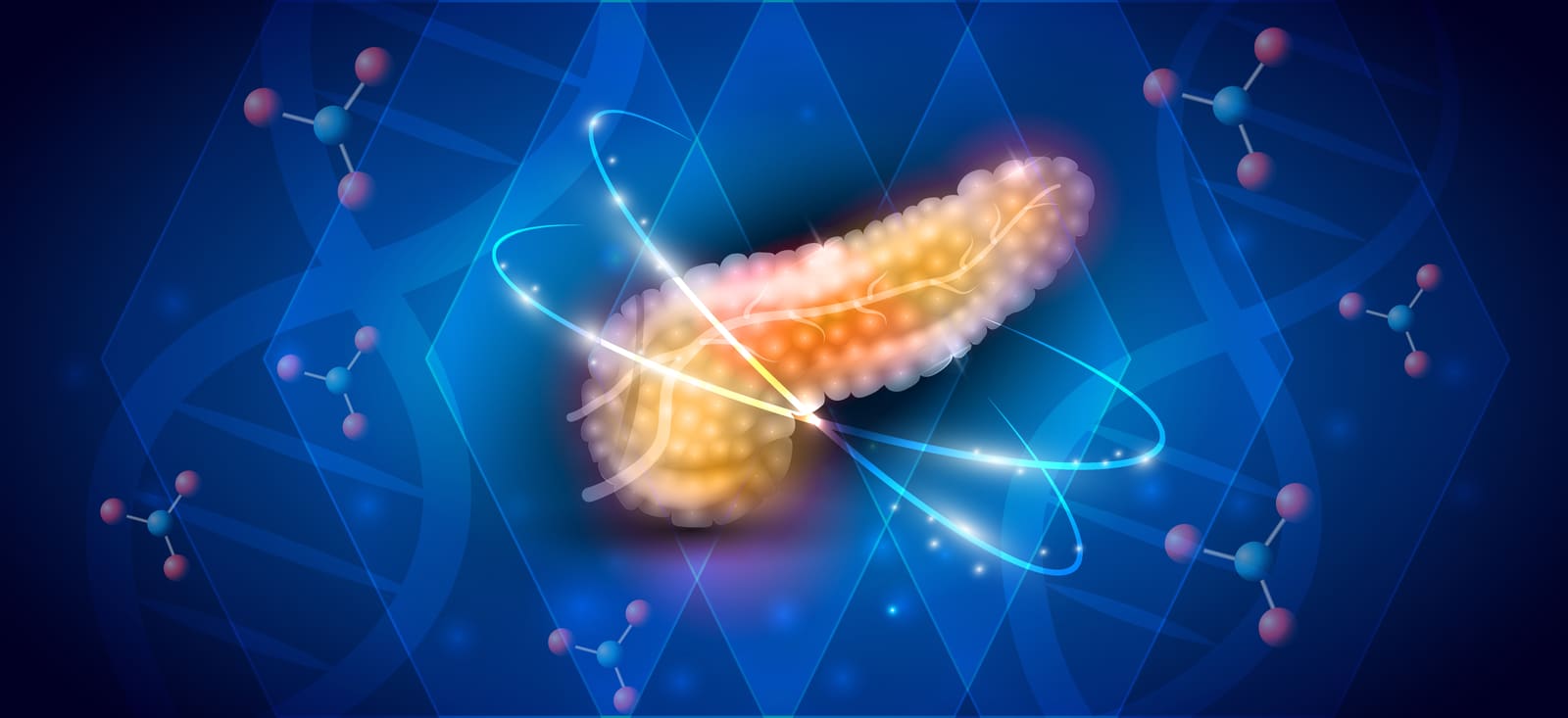
What is pancreatic cancer?
Pancreatic cancer occurs when cancerous cells develop within the tissues of the pancreas. The pancreas works to excrete enzymes that aid digestion and manage blood glucose levels. The pancreas may produce both cancerous and benign tumors requiring further testing to determine if the tumor is malignant.
Pancreatic cancer risk factors
Many health conditions are associated with several risk factors that may increase a person’s risk of developing pancreatic cancer. Some risk factors can be helped, while others may be out of your hands.
Risk factors include:
Tobacco use
An estimated 30 million adults in the United States reported tobacco use in 2020. Smoking cigarettes or other tobacco products have been known to leave people two times more likely to develop pancreatic cancer. Other forms of smoking like pipes, cigars, and smokeless tobacco may increase the risk as well.
Obesity and Diet
A person is considered obese if they have a body mass index (BMI) of 30 or more. Obesity may be caused by genetics, poor diet, or other health conditions and makes people more likely to develop cancerous cells in the pancreas. Foods that have a high amount of fat and chronic alcohol abuse lead to recurrent pancreatitis and repeated inflammation causing damage.
Diabetes
It is not known what the direct link between diabetes and pancreatic cancer is but those living with type 2 diabetes are more likely to experience pancreatic cancer.
Chronic pancreatitis
Pancreatitis is the inflammation of the pancreas. This is often seen in people living with alcohol abuse, those who smoke, and gallstones. The damage over time leads to an overproduction of pancreatic cells, increasing the risk of malignant cellular growth.
Family history
It is important to understand your family history regarding illnesses and chronic conditions. However, only about 10% of pancreatic cancer patients have a family history. Other links between pancreatic cancer include genetic conditions that may be hereditary.
Other
- People aged 60 to 80 years of age are more likely to be diagnosed with pancreatic cancer.
- Pancreatic cancer is more common in men than in women.
How is pancreatic cancer diagnosed?
Diagnosing pancreatic cancer requires a medical professional. A doctor will begin by assessing any recent changes in weight or appetite, pain that begins in the abdomen and radiates to the back, or any new or worsening symptoms. If the doctor suspects a benign or malignant pancreatic tumor, further testing will be ordered. These tests include:
Imaging
Imaging tests are used to create detailed pictures of internal organs to assess for the presence of a tumor or abnormality. Common imaging tests include:
CT scan
Computed tomography or CT scan, is a medical imaging scan that combines a series of x-rays taken at various angles to create cross-sectional images. A typical CT scan only takes about 15 minutes and is a painless test.
Ultrasound
An ultrasound uses sound waves to provide detailed images of the internal body and is frequently used to diagnose pancreatic cancer.
Endoscopic ultrasound
An endoscopic ultrasound (ESU) is used to create detailed images of your pancreas from inside your abdominal cavity. It is more accurate than a standard ultrasound as it gets a closer look without the possibility of obstruction.
Biopsy
A biopsy is performed by a skilled physician allowing him to remove a sample of suspicious tissue to be evaluated under a microscope. During an endoscopic ultrasound, your doctor may order a biopsy sample to be taken to maximize results.
Fine-needle aspiration
Fine-needle aspiration is a common type of biopsy technique. It involves inserting a small needle into the affected area to retrieve a small sample of tissue to determine if cancerous cells are present.
Blood test
Blood tests may be ordered to determine the presence of proteins that are shed by pancreatic cancer cells. In addition to checking protein levels, a CA19-9 blood test helps allow your doctor to determine how well the cancer will respond to treatment to better assess a treatment plan.
Additional Resources for Pancreatic Cancer Information
General information, not medical advice
This article can't account for your health history or current treatment. Talk to a qualified clinician before you change anything about your care.
Read our medical disclaimer →
On this page
What is pancreatic cancer?
Pancreatic cancer risk factors
Tobacco use
Obesity and Diet
Diabetes
Chronic pancreatitis
Family history
Other
How is pancreatic cancer diagnosed?
Imaging
CT scan
Ultrasound
Endoscopic ultrasound
Biopsy
Fine-needle aspiration
Blood test
Additional Resources for Pancreatic Cancer Information
Put what you read to work
Track your medicines, check a symptom and talk with people managing the same condition, all in Healthread.
Get the app
Keep reading

Cancer-Updates
Gynecologic Cancer
Gynecologic cancer is a term used to describe a group of cancers that affect the female reproductive system. There are five types of gynecologic cancers named after the body part where they start.
November 5, 2024 · 3 min read

Cancer-Updates
Anal Cancer
Anal cancer is caused when the cancer cells in the anus grow uncontrollably, forming masses or tumors. The cancer cells can sometimes spread to other body parts, causing metastatic cancer.
August 18, 2024 · 3 min read

Cancer-Updates
Bile Duct Cancer (Cholangiocarcinoma)
Bile duct cancer, or cholangiocarcinoma, is a cancer that occurs in the bile ducts, the slender tubes that collect bile, a fluid made by the liver for breaking down fats in the digestion process.
April 17, 2024 · 2 min read


© 2026 Healthread
English · Español
Healthread does not provide medical advice, diagnosis or treatment. Always speak to a qualified clinician about your care.