

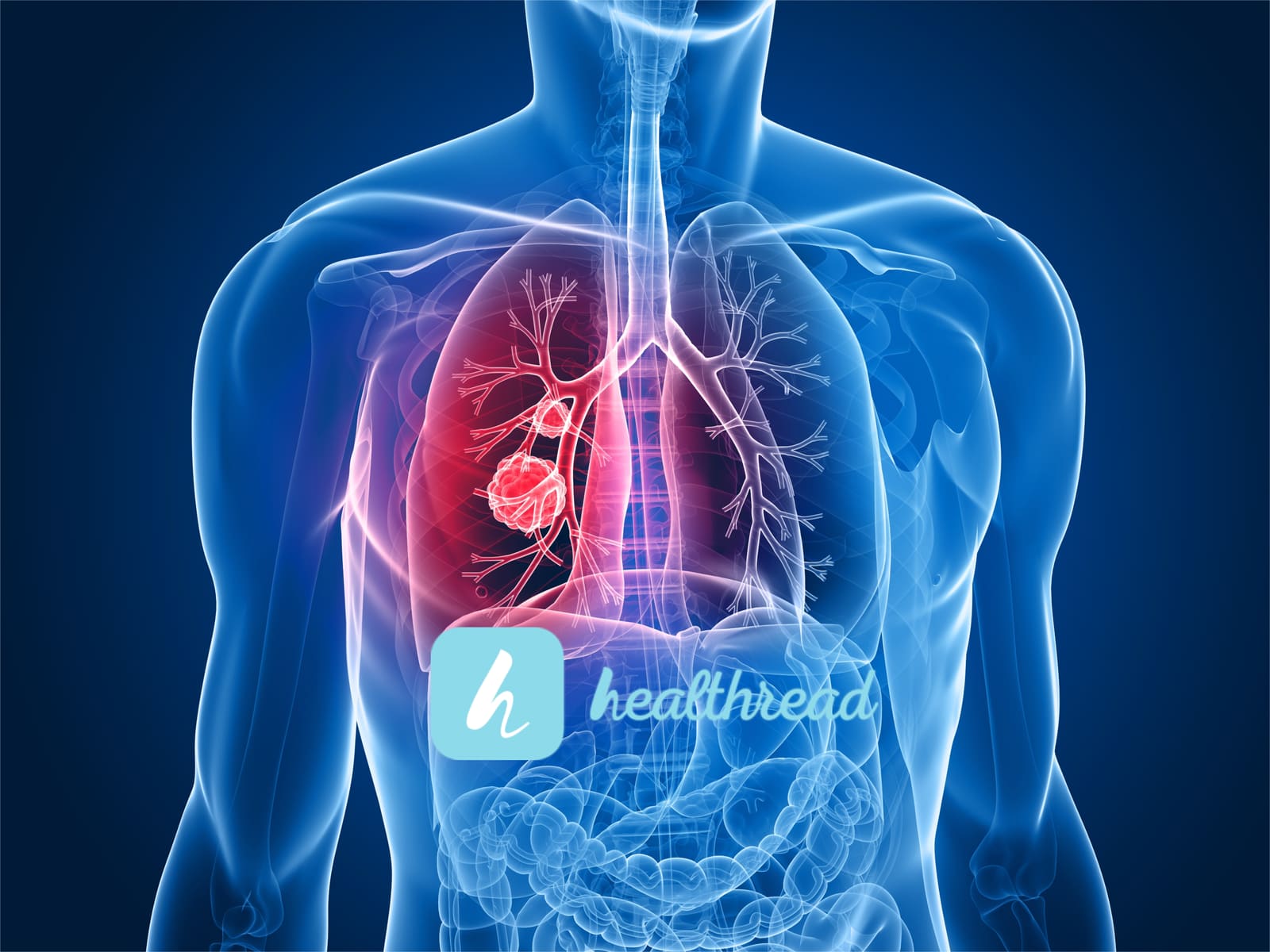
Cancer is named for the location in the body when it starts, and small cell lung cancer (SCLC) starts in the lungs. Lung cancers are the second most common type of cancer among U.S. residents according to the National Organization for Rare Disorders. About 30,000 to 35,000 new people are diagnosed with small cell lung cancer each year in the U.S., representing 10% to 15% of all people with lung cancer, the National Organization for Rare Disorders reports.
Main types of small cell lung cancer (SCLC)
The National Cancer Institute reports there are two types of small cell lung cancer, oat cell cancer and combined small cell carcinoma. Carcinoma is another term for cancer. The difference between the types can be seen when the lung cancer cells are viewed under a microscope. Combined small cell carcinoma (C-SCLC) is less common than oat cell cancer. It represents between 5% and 28% of the small cell lung cancers that are diagnosed, according to the World Health Organization.
Small cell lung cancer risks
Tobacco smoking is the primary risk factor for small cell lung cancer. Smoking any kind of tobacco, including cigarettes, pipes, and cigars, can be a risk factor. Second-hand smoke exposure can also lead to SCLC.
Additional risk factors include exposure to the following environments or substances:
- Asbestos or other workplace hazards including soot and tar
- Metals including arsenic, chromium, beryllium, and nickel
- Radiation exposure, including radiation therapy, radon, imaging tests, and nuclear explosions
- Air pollution
- HIV infection
- Family history of lung cancer
Tobacco smoking combined with other factors increases the risk of SCLC, according to the National Cancer Institute. The earlier a person began smoking tobacco, the longer they smoked, and the more they smoked, the greater the risk.
Symptoms of small cell lung cancer
Small cell lung cancer symptoms are primarily related to breathing, but also include other general cancer symptoms. They include:
- Chest pain or discomfort
- Cough that doesn't go away and may worsen over time
- Trouble breathing
- Wheezing
- Coughing up bloody sputum or mucus
- Hoarseness and trouble swallowing
- Loss of appetite
- Weight loss with no apparent cause
- Persistent tiredness
- Facial swelling
Small cell lung cancer diagnosis and staging
Clinicians will use a physical exam and health history first, and then use imaging tests and laboratory tests to determine if cancer is present, and if it's small cell lung cancer. Imaging tests can include X-rays and CT or CAT scans. Images of the brain and other organs can also be used to determine the stage of cancer.
Biopsies take cells from suspected cancer tissue and examine them for the presence of cancer. FNA biopsies, or fine-needle aspiration, removes tissue from the lung using a fine needle. A bronchoscopy uses a thin tube and a camera to visually examine lung passages for cancer. Other physical biopsy techniques include thoracoscopy, thoracentesis, and mediastinoscopy.
Light and electron microscopy can examine suspected cancer cells in high detail. Immunohistochemistry are lab tests that examine antibodies in tissue that result from cancer, and that also can differentiate one type of cancer from another.
Staging in cancer refers to the stage of development of cancer within the body. Small cell lung cancer has two stages: limited-stage small cell lung cancer and extensive-stage small cell lung cancer. The degree of development determines treatment plans and prognosis.
Metastasis of small cell lung cancer
While some cancers spread slowly, small cell lung cancer metastasizes, or spreads throughout the body. If the cancer spreads to other organs such as the brain, it is still small cell lung cancer -- not brain cancer. Cancer cells can spread through the lymphatic system and the circulatory system, i.e. through the lymph and/or blood.
Treatment of small cell lung cancer
Small cell lung cancer can be treated. There are six standard types of treatment, according to the National Cancer Institute:
- Surgery
- Radiation therapy
- Chemotherapy
- Immunotherapy
- Laser therapy
- Endoscopic stent placement
Some treatments do cause side effects, including radiation therapy and chemotherapy. Clinical trials are also available for SCLC, and the National Cancer Institute advises people diagnosed with small cell lung cancer to consider participating in a clinical trial.
Sources
General information, not medical advice
This article can't account for your health history or current treatment. Talk to a qualified clinician before you change anything about your care.
Read our medical disclaimer →
On this page
Main types of small cell lung cancer (SCLC)
Small cell lung cancer risks
Symptoms of small cell lung cancer
Small cell lung cancer diagnosis and staging
Metastasis of small cell lung cancer
Treatment of small cell lung cancer
Sources
Put what you read to work
Track your medicines, check a symptom and talk with people managing the same condition, all in Healthread.
Get the app
Keep reading

Cancer-Updates
Gynecologic Cancer
Gynecologic cancer is a term used to describe a group of cancers that affect the female reproductive system. There are five types of gynecologic cancers named after the body part where they start.
November 5, 2024 · 3 min read

Cancer-Updates
Anal Cancer
Anal cancer is caused when the cancer cells in the anus grow uncontrollably, forming masses or tumors. The cancer cells can sometimes spread to other body parts, causing metastatic cancer.
August 18, 2024 · 3 min read

Cancer-Updates
Bile Duct Cancer (Cholangiocarcinoma)
Bile duct cancer, or cholangiocarcinoma, is a cancer that occurs in the bile ducts, the slender tubes that collect bile, a fluid made by the liver for breaking down fats in the digestion process.
April 17, 2024 · 2 min read


© 2026 Healthread
English · Español
Healthread does not provide medical advice, diagnosis or treatment. Always speak to a qualified clinician about your care.