

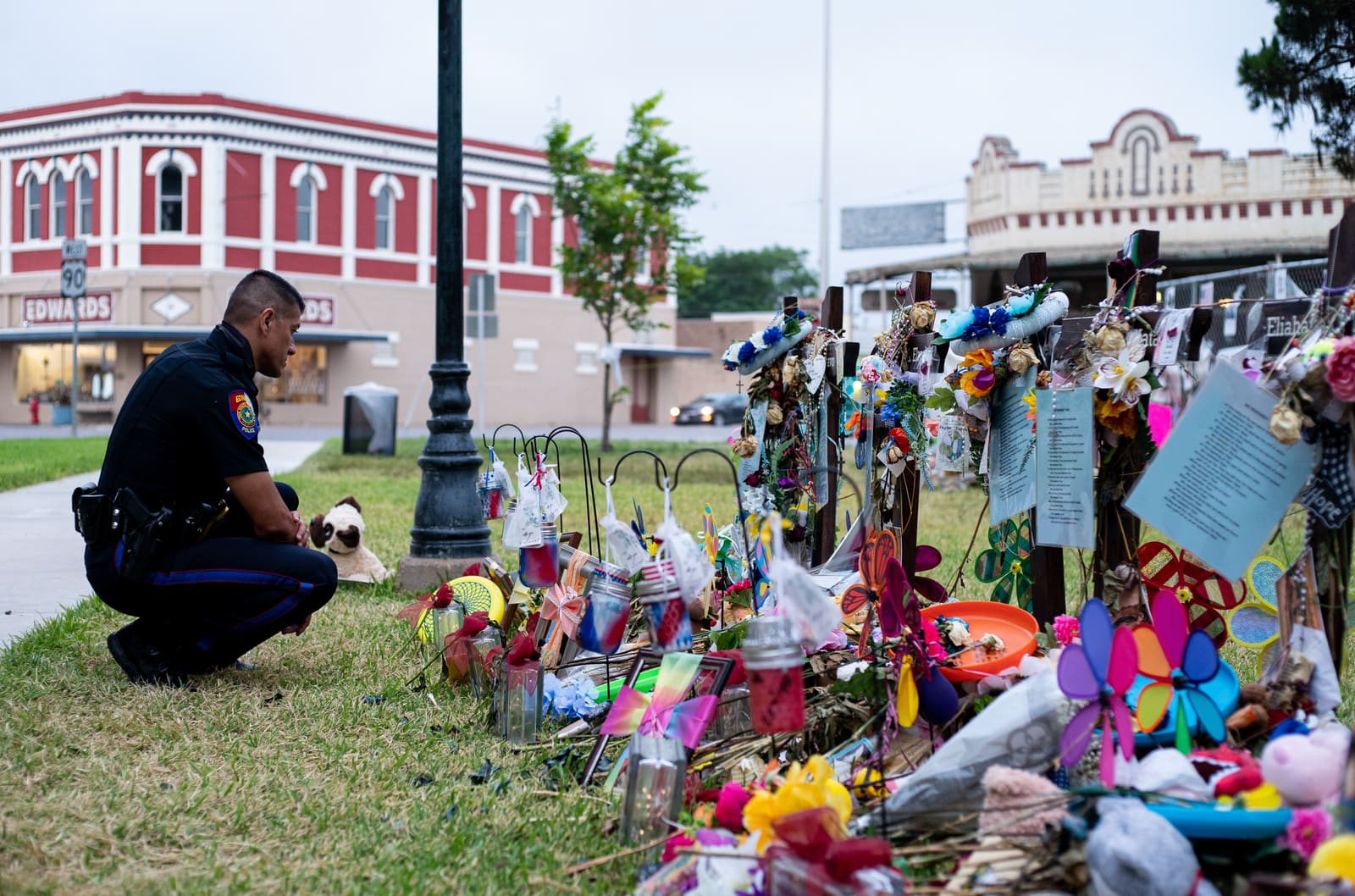
School shootings once happened on rare occasions, but now they are happening with frightening regularity and frequency. The fear regarding school shootings in America is common among school teachers and staff, parents, and of course, children.
Not only do parents worry if something like this could happen at their children’s school, but they also wonder if this constant fear hanging over children is somehow damaging to them in some way.
The horror associated with school shootings is too much to expound in detail, but it’s important to be able to talk to your kids about it. Ignoring it won’t help them feel any better, and chances are they’re affected by it on some level. Below, we’ll go over some ways and reasons to talk to your kids about school shootings.
Why Talk to Your Kids About School Shootings?
It’s common for parents to avoid the topic of school shootings with their children out of fear of making their children even more frightened. But when school shootings get national attention, your child is likely to be exposed to it in some form. Whether it’s in passing as you watch the news, seeing something online, or having their peers discuss it in school. In other words, you can’t shield your children from the reality of school shootings, they’re going to hear about it one way or another.
With this in mind, it’s best for them if they can have an open discussion in a safe environment with their parents or guardians. Also, kids pick up on their parents' feelings, so even if you think they can’t tell you’re worried, chances are they can. Combine this with your avoidance of the subject, and their anxieties will only get worse.
Talking to your kids about school shootings will help alleviate their concerns about the subject. It will also give them an opportunity to vent and ask questions and for you to provide them with reassurance and a sense of safety.
How to Talk to Kids About School Shootings
- 1.Gauge your conversation based on their age. If you’re speaking with a younger child, going into too much detail may not be necessary. Instead, focus mostly on safety. If it’s an older child, encourage a more open discussion.
- 2.Don’t promise it’ll never happen at their school, but assure them they’re extremely rare. Promising kids it will never happen to them is never a good idea. Children can often tell when they’re parents are lying to them, especially after a certain age. Therefore, focus on the likelihood of it happening, which is extremely low.
- 3.Make them feel safe. Reassure them throughout the conversation and allow them to ask questions and raise concerns. Chances are, some of their concerns are not based on facts (like the frequency of school shootings), and reassuring them that they are very rare will help them feel better. Also, explain that their school has safety measures in place to prevent and stop school shootings. Look into the specific safety measures for your school including safety drills, security personnel, police officers, locked doors, surveillance, etc. These measures are put into place in the case of an emergency and should help them feel more at ease if the school has a good response plan in place.
- 4.Tell them it’s okay to be scared. Tell them that fear is a normal human reaction and that it’s okay to be scared sometimes. Fear helps keep our bodies alert but they shouldn’t let that fear overwhelm them.
- 5.Get them extra help. If you’re worried your kid is suffering from their concerns, professional help may be warranted. In younger children, they might be extra clingy or say they have headaches or stomach aches due to stress or because they’re afraid to go to school. Older kids may become more irritable or withdrawn. Look out for signs of trauma and get your kid professional help from a psychologist if they exhibit any of these signs.
Takeaway
School is meant to be a safe place where children can focus on education without any worries about their. Unfortunately, school shootings are all too common in the United States and some concern on behalf of parents, teachers, and students is unavoidable.
While we can’t erase these fears completely, by addressing the reality of the situation we can provide a sense of safety and alleviate some of their concerns. Just like with any issue or worry, it’s always best to focus on healthy discussions and prioritize safe communication.
Sources:
- 1childmind.org/article/anxiety-school-shooting/
- 2savethechildren.org/us/charity-stories/how-to-talk-to-children-about-school-shootings
- 3today.com/parents/how-talk-children-about-shootings-age-age-guide-t59626
- 4nasponline.org/resources-and-publications/resources-and-podcasts/school-safety-and-crisis/school-violence-resources/talking-to-children-about-violence-tips-for-families-and-educators
- 5yalemedicine.org/news/school-shootings-talk-with-kids
- 6nctsn.org/resources/talking-children-about-shooting
- 7news.iu.edu/live/news/28215-ask-the-expert-how-to-talk-to-kids-about-mass
- 8texaschildrens.org/blog/how-talk-children-about-school-shootings
- 9npr.org/sections/health-shots/2022/05/26/1101306073/what-to-say-to-kids-about-school-shootings-to-ease-their-stress
- 10healthier.stanfordchildrens.org/en/how-to-talk-to-children-about-school-shootings/
General information, not medical advice
This article can't account for your health history or current treatment. Talk to a qualified clinician before you change anything about your care.
Read our medical disclaimer →
On this page
Why Talk to Your Kids About School Shootings?
How to Talk to Kids About School Shootings
Takeaway
Put what you read to work
Track your medicines, check a symptom and talk with people managing the same condition, all in Healthread.
Get the app
Keep reading

Mental Health
Bipolar I vs. Bipolar II
Bipolar I and II are the most common types of mental health disorders. While they both share certain similarities, they have two key differences.
August 8, 2024 · 3 min read

Mental Health
Narcissistic Personality Disorder (NPD)
NPD is a mental health condition that is characterized by an inflated opinion of oneself. Someone who is narcissistic may feel more important than other people.
May 4, 2024 · 3 min read

Mental Health
What is Treatment-Resistant Depression?
Treatment-resistant depression is a form of major depressive disorder that fails to respond to the standard depression treatments involving taking an anti-depressant or going to psychotherapy.
February 3, 2024 · 3 min read


© 2026 Healthread
English · Español
Healthread does not provide medical advice, diagnosis or treatment. Always speak to a qualified clinician about your care.