

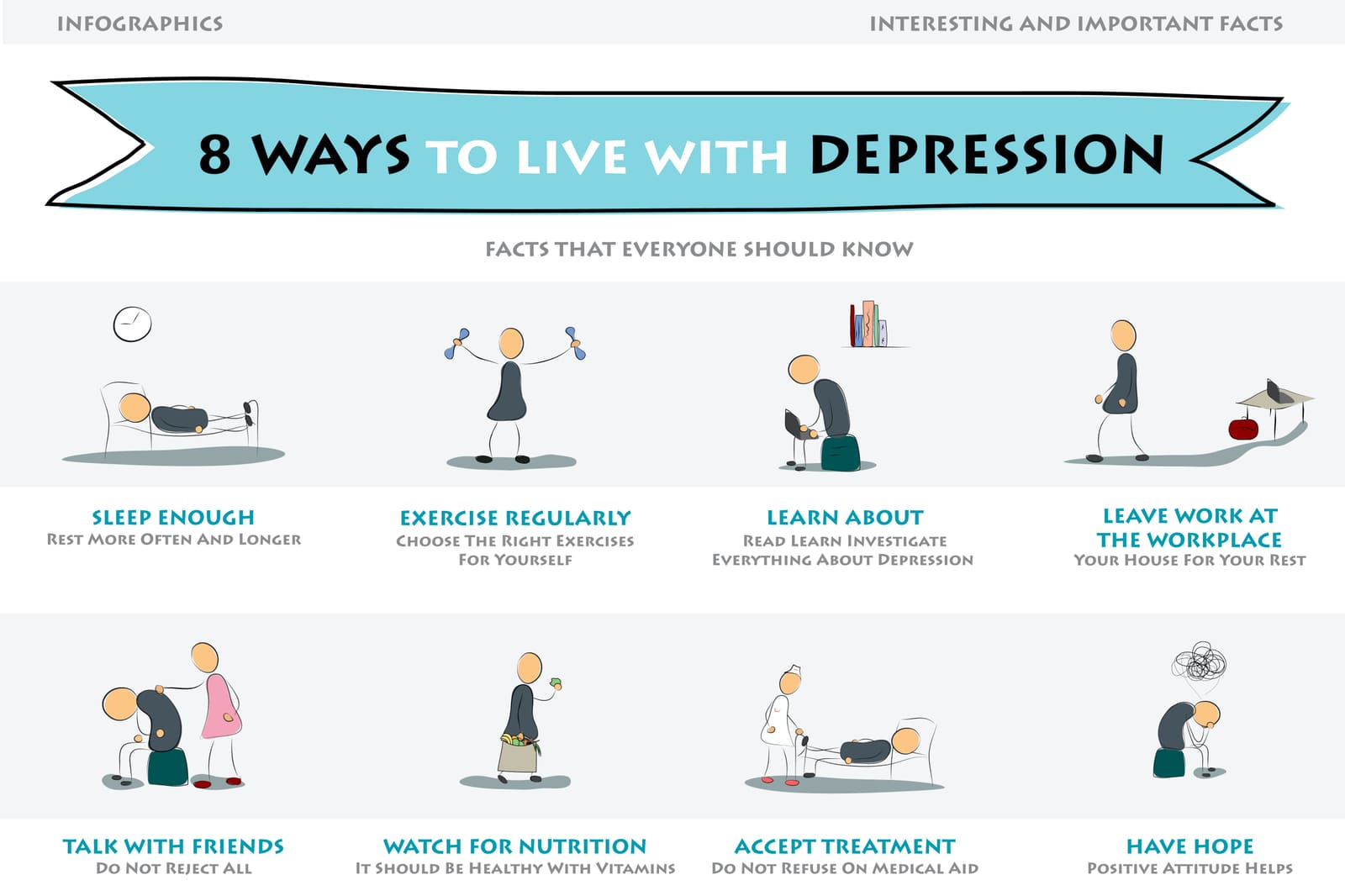
Depression can be both serious and debilitating, especially among teens who are facing peer pressure as well as pressure from school, work, coaches, and parents. Here's everything you need to know if you're experiencing feelings of sadness and hopelessness in your teen years.
Risk Factors for Teen Depression
Teens who are experiencing low self-esteem related to bullying, acne, learning disabilities, ADHD, obesity, or problems with friendships are at higher risk of developing depression than those who aren't. Teens who have been the victim of verbal, physical, or sexual violence are also at risk. Finally, teens with other mental health conditions like generalized anxiety disorder, an eating disorder, bipolar disorder, or personality disorder are more likely to suffer from depression in their teen years.
Symptoms of Teen Depression
- chronic fatigue; spending a lot of time in bed or on the couch
- feeling sad, empty, or hopeless most of the time
- spending more time alone than with others; withdrawing from activities they used to enjoy
- suffering from mood swings, feeling crabby or irritable often and unpredictably
- feeling a great deal of guilt about things that are or aren't in their control
- experiencing physical symptoms like headaches, body aches, pains, constipation, and diarrhea
- eating more or less than usual
- harming themselves or thinking about suicide
Even if you (or your child if you're reading this as a parent) only relate to half of the items above, seeking diagnosis and treatment early is imperative for a positive outcome.
Getting Help for Teen Depression
Teens who feel hopeless and are considering suicide should call the National Suicide Prevention Lifeline at 1-800-273-8255 or go to the nearest emergency room right away.
Teens who are experiencing the signs and symptoms of depression but who are not suicidal should seek help from their primary care provider. Your primary care provider will first work to determine whether you have depression alone, depression in conjunction with co-existing condition like generalized anxiety disorder, or another condition altogether that can produce similar symptoms like bipolar disorder, cyclothymic disorder, premenstrual dysphoric disorder, or another common condition.
If he or she determines that you do, indeed, have depression, it will be important to understand what type: depression with anxious distress, with melancholic features, or with atypical features. Lab tests, a physical exam, and a psychological exam will likely be performed.
Common Treatments
Depression is rarely resolved with a single treatment; rather, a combination of approaches is usually taken to assist with the immediate crisis, teach coping skills, and provide long-term relief. Treatments include counseling, medication, psychotherapy, lifestyle changes, and sometimes hospitalization or inpatient treatment programs.
Teens can take steps at help to home, including sticking to the treatment plan, keeping a journal, developing healthy friendships, staying as active as possible, journaling, asking for help when they need it, and developing relationships with other teens who also struggle with depression. A support group can promote long-term success.
Teens who have depression can live a normal, fulfilling life with the right intervention.
Sources
www.mayoclinic.org/diseases-conditions/teen-depression/symptoms-causes/syc-20350985
General information, not medical advice
This article can't account for your health history or current treatment. Talk to a qualified clinician before you change anything about your care.
Read our medical disclaimer →
On this page
Risk Factors for Teen Depression
Symptoms of Teen Depression
Getting Help for Teen Depression
Common Treatments
Sources
Put what you read to work
Track your medicines, check a symptom and talk with people managing the same condition, all in Healthread.
Get the app
Keep reading

Mental Health
Bipolar I vs. Bipolar II
Bipolar I and II are the most common types of mental health disorders. While they both share certain similarities, they have two key differences.
August 8, 2024 · 3 min read

Mental Health
Narcissistic Personality Disorder (NPD)
NPD is a mental health condition that is characterized by an inflated opinion of oneself. Someone who is narcissistic may feel more important than other people.
May 4, 2024 · 3 min read

Mental Health
What is Treatment-Resistant Depression?
Treatment-resistant depression is a form of major depressive disorder that fails to respond to the standard depression treatments involving taking an anti-depressant or going to psychotherapy.
February 3, 2024 · 3 min read


© 2026 Healthread
English · Español
Healthread does not provide medical advice, diagnosis or treatment. Always speak to a qualified clinician about your care.