

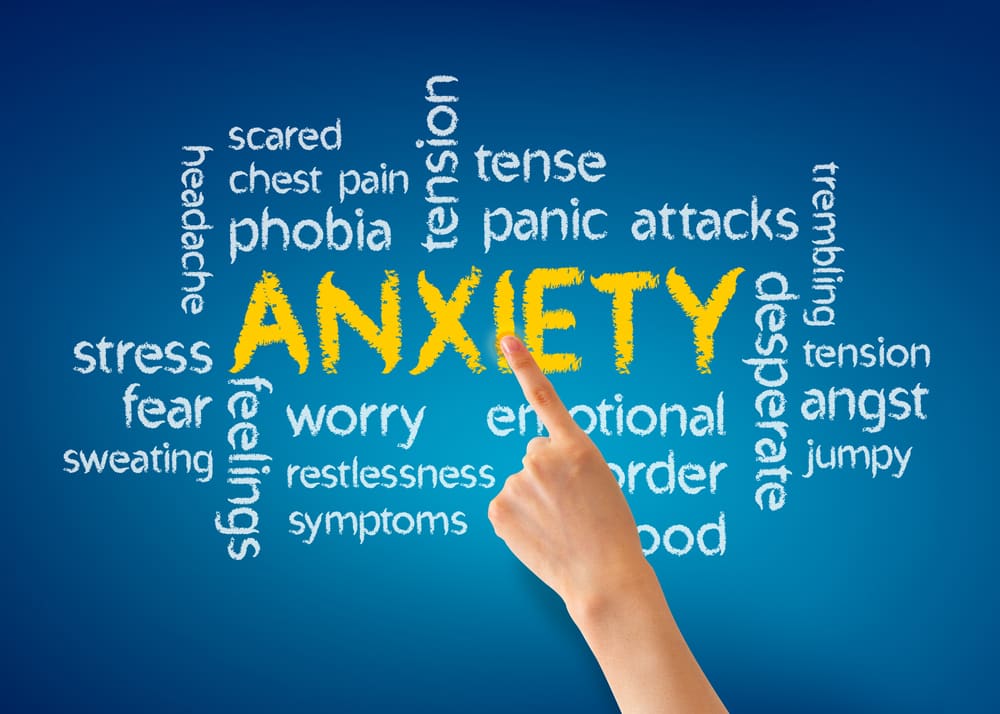
In the U.S., anxiety disorders are a very common mental health issue. More than 40 million individuals (19.1%) in the U.S. are struggling with an anxiety disorder, according to the National Alliance on Mental Health. Around 7% of kids between three and 17 years old experience problems with anxiety every year. Most individuals begin developing symptoms before they turn 21 years old.
What Is an Anxiety Disorder?
Anxiety, in some situations, can be beneficial and is a normal reaction to stress. It can alert you to dangers and help you pay attention and prepare. Anxiety disorders are different from regular feelings of anxiousness or nervousness, however, and involve excessive anxiety and fear.
Everybody experiences anxiety from time to time. For instance, some people become anxious when they have to speak in front of a crowd, but this type of anxiety motivates you to practice and prepare. Another common cause of anxiety is driving in heavy traffic, but it helps you stay cautious and alert to avoid accidents. But, when feelings of distress and intense fear become overwhelming and keep you from performing your daily activities, it could be due to an anxiety disorder.
Types of Anxiety Disorders
According to the U.S. Department of Health & Human Services, there are five primary anxiety disorder types, which include:
1. Generalized Anxiety Disorder (GAD)
GAD is a type of anxiety disorder marked by exaggerated worry, chronic anxiety, and tension, even when there's nothing provoking it.
2. Social Anxiety Disorder (Social Phobia)
Social Anxiety Disorder or Social Phobia is a type of anxiety disorder marked by excessive self-consciousness and overwhelming anxiety in everyday social situations. It can be limited to just one type of situation, like eating in front of other people or fear of speaking in informal or formal situations or if you're struggling with a severe form, it might be so broad you experience symptoms almost anytime you're around people.
3. Post-Traumatic Stress Disorder (PTSD)
PTSD is another anxiety disorder that you develop after being exposed to trauma or terrifying event where grave physical harm was threatened or occurred. PTSD might be triggered by traumatic events like:
- Natural or human-caused disasters
- Military combat
- Violent personal assaults
- Accidents
4. Obsessive-Compulsive Disorder (OCD)
OCD is marked by unwanted, repetitive behaviors (compulsions) or recurrent thoughts (obsessions). Repetitive behaviors like counting, handwashing, cleaning or checking are frequently performed with the hope of making the obsessive thoughts go away or preventing them altogether. Sufferers who perform these actions are only offered temporary relief and by not performing them, it increases their anxiety.
5. Panic Disorder
Panic disorders are marked by repeated and unexpected intense fear episodes accompanied by physical symptoms like:
- Shortness of breath
- Chest pain
- Dizziness
- Heart palpitations
- Abdominal distress
Symptoms of Anxiety Disorders
While anxiety disorders can have unique symptoms depending on which anxiety disorder you have, they all have one thing in common: excessive, persistent worry or fear in situations that aren't threatening. Individuals generally experience one or more of the symptoms below:
- Racing or pounding heart
- Irritability or restlessness
- Shortness of breath
- Feelings of dread or apprehension
- Feeling jumpy or tense
- Tremors, sweating, and twitches
- Being watchful for danger signs and anticipating the worst
- Frequent urination, upset stomach, or diarrhea
The causes of anxiety disorders aren't known currently, but they likely involve various factors combined, including those that are:
- Psychological and developmental
- Environmental
- Genetic
Because an anxiety disorder can run in the family, this suggests a combination of environmental stresses and genes could produce the disorders.
Foundations and Societies for Anxiety
For help and support, you can look into some foundations or societies such as:
- Anxiety & Depression Association of America: ADAA is an international nonprofit organization committed to preventing, treating, and curing depression, anxiety, PTSD, OCD, and co-occurring disorders through practice, education and research.
- The Kim Foundation: The mission of the Kim Foundation is to serve as a compassionate voice and supportive resource for lives touched by suicide and mental illness. They embrace the significance of quality mental health prevention and services.
- The Jed Foundation: This nonprofit organization prevents suicide and protects emotional health for the nation's young adults and teens.
Latest Insights on Anxiety Disorders
- Ketamine: This is a promising therapy for PTSD and anxiety. It's an ionotropic glutamatergic N-methyl-d-aspartate (NMDA) receptor antagonist. It offers anti-anxiety and antidepressant effects.
- Methyl-CpG binding protein 2 (MeCP2): This is a new brain circuit that helps to control anxiety. It's a brain mechanism that helps regulate anxiety that was previously unknown. It enables a gene-altering protein to get into the nucleus of brain cells.
- Resveratrol: Red wine contains this compound which is opening up doors for new anxiety and depression treatments. It's found in grape skin and helps to shut down the brain's depression-causing enzyme.
Are You Struggling with an Anxiety Disorder?
Subscribe to Healthread to connect with other people also struggling with an anxiety disorder. As a collaborative social media platform, Healthread facilitates information sharing between people with similar health interests and problems. You can share your own personal health story and problems and learn from other people which will help you gain better insight and perspective on your own health condition — in this case, your anxiety disorder
General information, not medical advice
This article can't account for your health history or current treatment. Talk to a qualified clinician before you change anything about your care.
Read our medical disclaimer →
On this page
What Is an Anxiety Disorder?
Types of Anxiety Disorders
1. Generalized Anxiety Disorder (GAD)
2. Social Anxiety Disorder (Social Phobia)
3. Post-Traumatic Stress Disorder (PTSD)
4. Obsessive-Compulsive Disorder (OCD)
5. Panic Disorder
Symptoms of Anxiety Disorders
Foundations and Societies for Anxiety
Latest Insights on Anxiety Disorders
Are You Struggling with an Anxiety Disorder?
Put what you read to work
Track your medicines, check a symptom and talk with people managing the same condition, all in Healthread.
Get the app
Keep reading

Mental Health
Bipolar I vs. Bipolar II
Bipolar I and II are the most common types of mental health disorders. While they both share certain similarities, they have two key differences.
August 8, 2024 · 3 min read

Mental Health
Narcissistic Personality Disorder (NPD)
NPD is a mental health condition that is characterized by an inflated opinion of oneself. Someone who is narcissistic may feel more important than other people.
May 4, 2024 · 3 min read

Mental Health
What is Treatment-Resistant Depression?
Treatment-resistant depression is a form of major depressive disorder that fails to respond to the standard depression treatments involving taking an anti-depressant or going to psychotherapy.
February 3, 2024 · 3 min read


© 2026 Healthread
English · Español
Healthread does not provide medical advice, diagnosis or treatment. Always speak to a qualified clinician about your care.