

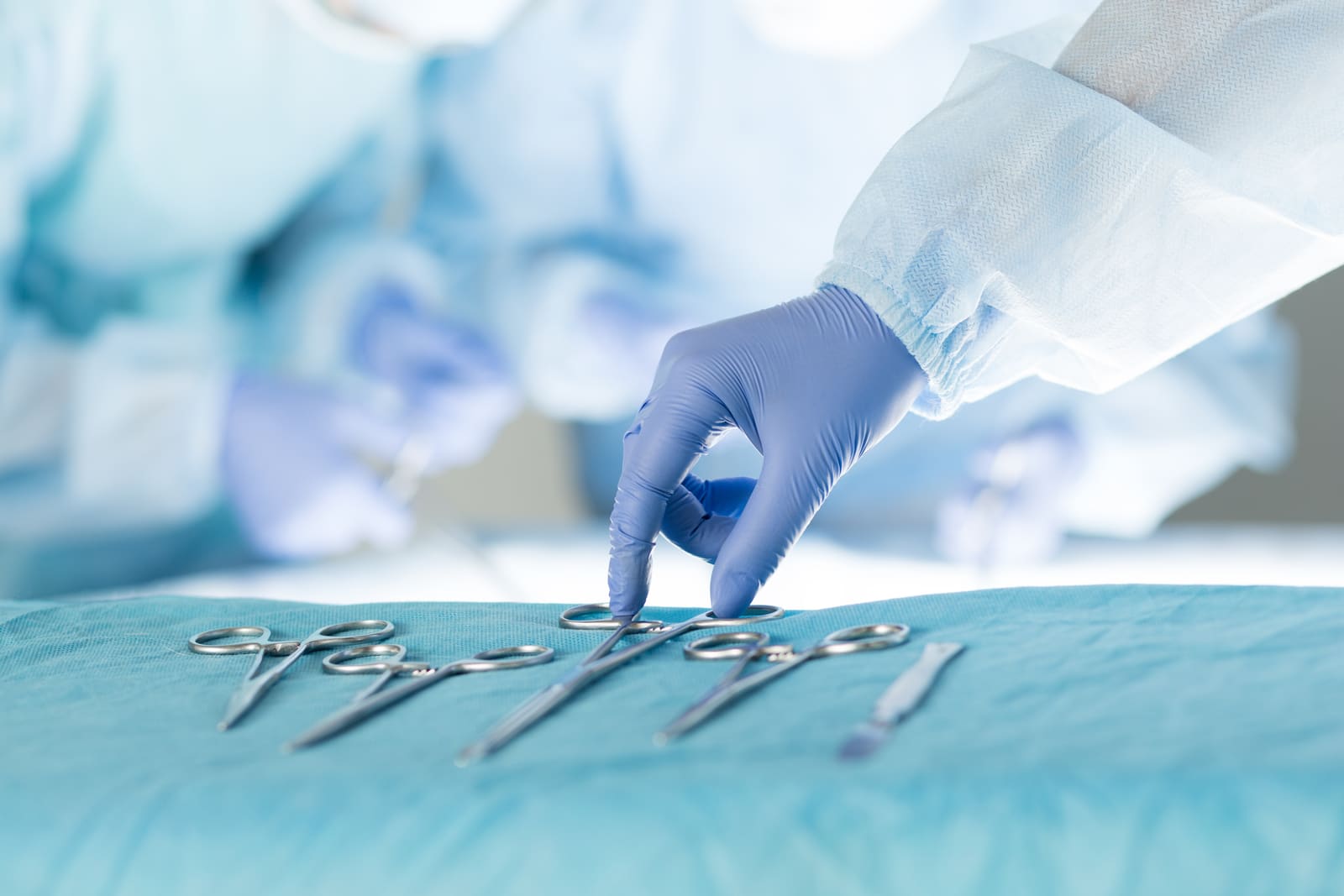
Surgeries can help remove tumors in cancer patients. Cancer surgeries are the oldest cancer treatment available and are still used today.
Cancer surgeries are typically done by surgical oncologists specializing in surgical techniques to remove cancerous tumors.
How is cancer surgery used?
Cancer surgeries can diagnose, prevent, stage, and treat cancers in people. It can also treat the discomfort arising from cancer treatment.
- Cancer prevention: Preventive or prophylactic cancer removes tissues that can become cancerous later on. Sometimes an entire organ is removed through surgery to prevent future cancer risk. For instance, women with a high risk of breast cancer can get surgeries to remove the breast (prophylactic mastectomy).
- Cancer diagnosis: Cancer is diagnosed by biopsy, a surgical procedure where a small tissue sample is taken and tested under a microscope for cancerous cells.
- Cancer staging: Surgery is done to determine how much cancer there is and how much has spread. Cancer staging can provide information about how aggressive the cancer is and the effective course of treatment.
- Curative surgery: Surgery is done to treat cancer, where it is located in one area of the body. Curative surgery can be the primary cancer treatment in such a case, followed by chemotherapy or radiation therapy.
- Debulking surgery: Where the cancerous tumor is large and bulky, located near internal organs, debulking surgery reduces the tumor size. Such surgeries can be done in ovarian cancers or lymphoma, where the surgeon removes a part of the tumor and treats what is left with chemotherapy and radiation.
- Palliative surgery: Palliative surgery is used in advanced stages to relieve discomfort created during cancer treatment. It can also be used to treat pain in cancer patients.
- Supportive surgery: Similar to palliative surgery, supportive surgeries are done to help other cancer treatments to work effectively. For instance, inserting a catheter to help with chemotherapy is a supportive surgery.
- Restorative or reconstructive surgery: Restorative surgeries are follow-up surgeries to restore a person’s appearance after cancer treatment. It can also restore an organ or body function after cancer surgery. For example, breast reconstruction surgery is done after a mastectomy.
How are cancer surgeries performed?
Cancer surgeries can be major surgeries to remove organs or tumors as a part of cancer treatment. It can also be minimally invasive surgeries done through sophisticated machines to prevent, restore or support cancer treatments.
Traditionally, cancer treatments required open surgeries that required large incisions. They carried more significant risks and had a long recovery time.
Modern-day cancer treatments involve non-invasive or minimally invasive surgeries that require small incisions. They use cameras and other sophisticated machines to treat cancer with less pain and a faster recovery.
Some of the modern cancer surgeries are:
- Cryosurgery: Cryosurgery is commonly used in skin and cervical cancer. The technique involves using icy materials like liquid nitrogen to freeze and destroy cancer cells. Cryosurgeries are done on skin, liver, prostate, bone, eye, lung, prostate, and cervical cancers.
- Electrosurgery: In skin and oral cancers, electrosurgery is often used to kill cancer cells through electric currents.
- Laparoscopic surgery: The minimally invasive surgery uses several minor cuts in the body through which surgical instruments and a camera are inserted for cancer treatment.
- Microsurgery: Microsurgery is a technique where surgery is done on a small scale to reconnect blood vessels and tissues disrupted during surgery.
- Mohs surgery: Mohs surgery removes cancer layer by layer in sensitive areas like the skin around the eye.
- Laser surgery: Laser surgeries use light beams to remove very small cancers and shrink or destroy cancerous cells in the following: head, neck, stomach, lungs, esophagus, rectum, and early cancers in female reproductive organs like the cervix, vagina, and vulva.
- Robotics surgery: The technique involves using robots to remove cancerous cells from hard to reach body parts.
- Natural orifice surgery: It is a surgical technique where surgery is done in the abdomen without cutting through the skin. Instead, surgeons use natural openings in the mouth, vagina, or rectum to pass surgical tools into the stomach.
What are the risks of cancer surgery?
The surgery risks will depend on the surgical technique involved and may include:
- Infection
- Swelling
- Pain
- Fatigue
- Loss of organ function
- Bleeding
- Loss of bowel and bladder functions
- Blood clots
- Lymphedema
Surgical procedures for cancer are done independently or in conjunction with other cancer treatments, such as radiation, chemotherapy, and/or immunotherapy.
Source links:
- 1cancer.net/navigating-cancer-care/how-cancer-treated/surgery/what-cancer-surgery
- 2stanfordhealthcare.org/medical-treatments/c/cancer-surgery/types.html
- 3hopkinsmedicine.org/health/treatment-tests-and-therapies/specialized-types-of-cancer-surgery
- 4cancercenter.com/treatment-options/surgery/surgical-oncology
- 5urmc.rochester.edu/encyclopedia/content.aspx?contenttypeid=134&contentid=115
- 6cancer.gov/about-cancer/treatment/types/surgery
- 7cancer.org/cancer/managing-cancer/treatment-types/surgery.html
- 8cancer.org/cancer/managing-cancer/treatment-types/surgery/how-surgery-is-used-for-cancer.html
- 9mayoclinic.org/diseases-conditions/cancer/in-depth/cancer-surgery/art-20044171
General information, not medical advice
This article can't account for your health history or current treatment. Talk to a qualified clinician before you change anything about your care.
Read our medical disclaimer →
On this page
How is cancer surgery used?
How are cancer surgeries performed?
What are the risks of cancer surgery?
Put what you read to work
Track your medicines, check a symptom and talk with people managing the same condition, all in Healthread.
Get the app
Keep reading

Cancer-Updates
Gynecologic Cancer
Gynecologic cancer is a term used to describe a group of cancers that affect the female reproductive system. There are five types of gynecologic cancers named after the body part where they start.
November 5, 2024 · 3 min read

Cancer-Updates
Anal Cancer
Anal cancer is caused when the cancer cells in the anus grow uncontrollably, forming masses or tumors. The cancer cells can sometimes spread to other body parts, causing metastatic cancer.
August 18, 2024 · 3 min read

Cancer-Updates
Bile Duct Cancer (Cholangiocarcinoma)
Bile duct cancer, or cholangiocarcinoma, is a cancer that occurs in the bile ducts, the slender tubes that collect bile, a fluid made by the liver for breaking down fats in the digestion process.
April 17, 2024 · 2 min read


© 2026 Healthread
English · Español
Healthread does not provide medical advice, diagnosis or treatment. Always speak to a qualified clinician about your care.