

What are the most common side effects of Chemotherapy?
June 19, 2023
4 min read
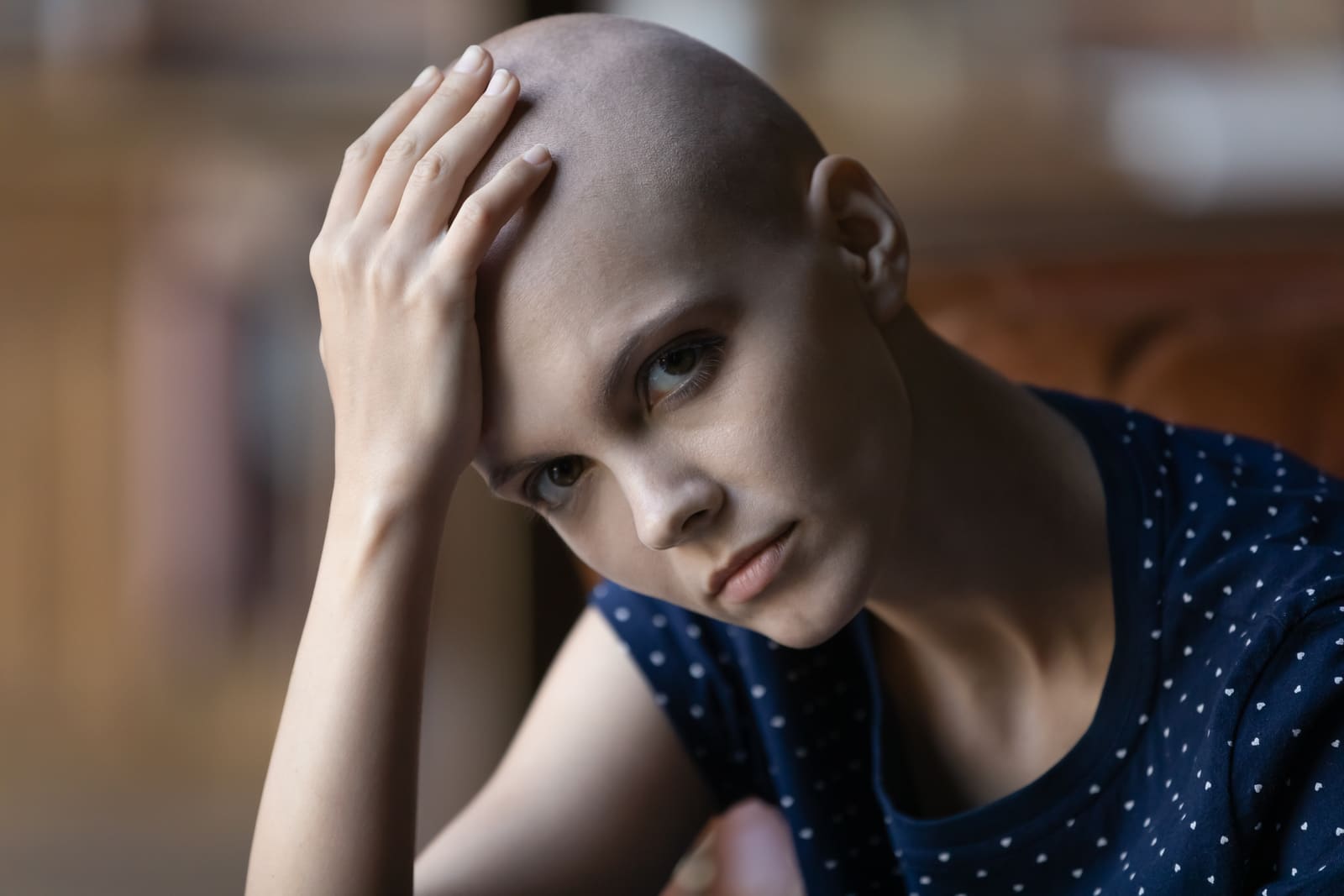
Chemotherapy is a treatment to treat cancer, where cells multiply faster than average.
Although chemotherapy effectively kills cancer cells, it can have many side effects, some mild and treatable, while others cause serious complications.
Why does chemotherapy cause side effects?
Chemotherapy treats cancer by destroying cancer cells. While killing the cancerous cells, the treatment can also damage healthy cells, causing severe side effects.
Side effects experienced during chemotherapy often depend on the type of chemotherapy drug used. Some common side effects of chemotherapy treatment are:
Neutropenia
Certain cancer drugs can kill white blood cells, increasing the risk of having severe infections, a condition called neutropenia.
Tips to manage neutropenia and prevent infections:
- Maintain good hygiene by washing their hands frequently.
- Avoid crowded places.
- Eat a nutritious diet to prevent infections.
Fatigue
While chemotherapy kills the cancer cells, it also damages some healthy cells. During treatment, your body not only fights cancer but also repairs damaged healthy cells. The increased activity causes extreme fatigue, affecting your regular life.
Chemotherapy can reduce red blood cells, causing anemia and leading to fatigue, shortness of breath, heart palpitations, bleeding, and bruising, and weakness.
Tips for managing fatigue
- To better manage fatigue during cancer treatment, understand the pattern of fatigue and take frequent rest between activities.
- Have a nutritious diet, exercise, and reduce stress to improve overall well-being.
Hair loss
You can experience hair loss with chemotherapy treatment as the hair follicles are sensitive to chemo drugs. Hair usually grows back within 2 to 3 months of treatment.
Tips for managing hair loss
- Avoid using harsh chemicals and frequently shampooing or combing your hair.
- Protect your head by wearing a hat, turban, or scarf outdoors.
Nausea, vomiting, diarrhea with appetite loss
Nausea, vomiting, and diarrhea during chemotherapy are chemotherapy-induced nausea and vomiting (CINV).
Chemo drugs can cause a change in the taste of the food, while treatments in the mouth and throat can cause difficulty in swallowing, leading to a loss of appetite.
Tips for managing CINV and appetite loss:
- Take the recommended medications and drink enough fluid to prevent dehydration. Eat small, frequent meals throughout the day and avoid hard-to-digest foods like fried and high-fat foods to aid digestion.
- To combat appetite loss, eat good, tasty foods, and avoid drying your mouth by sucking on ice chips or sugar-free candies between meals.
- If mouth sores cause difficulty in eating, avoid food like carbonated beverages and acidic foods that irritate the mouth.
Skin changes
Chemotherapy can cause itchy, dry skin with redness and swelling symptoms. Your skin can change color or darken, and you can have skin rashes, including hand-foot syndrome, during treatment. Some types of chemotherapy can cause a decrease in platelets and can lead to bruising and bleeding.
Tips for managing skin changes
- Avoid using products like cosmetics, deodorants, and perfumes that irritate the skin.
- Be gentle with your skin. Use sunscreen to protect your skin from the harsh UV rays of the sun.
- Wear loose-fitting clothes to let your skin breathe.
- For bleeding, press down firmly on the area with a clean cloth.
- For bruising, ice the area.
Trouble concentrating
It is common for people to experience short-term memory issues during chemotherapy. Certain chemo drugs can affect brain function, causing chemotherapy brain fog or chemo brain. Heightened stress from a cancer diagnosis can cause depression, worsening the symptoms.
Tips to improve brain functions
To improve brain function and reduce anxiety:
- Get at least 8 hours of sleep each night.
- Exercise your brain by reading regularly and participating in activities that challenge your mind.
Bladder problems
Some chemotherapy drugs can irritate the bladder, causing urinary tract infection (UTI) symptoms, pelvic pain, and fever.
Tips for managing bladder issues
- Increase fluid intake.
- Take steps to reduce infection risks.
Sex and fertility issues
Chemotherapy can lower estrogen levels in women and testosterone in males, causing symptoms of hormonal changes. The stress of cancer diagnosis and treatment can affect your sex life.
Tips for managing sex and fertility issues:
- Communicate effectively with your doctor to address the concerns and get appropriate medication.
Rare Side Effects
Some people experience rare chemotherapy treatment side effects, including the following:
- Changes in skin color
- Redness and swelling and redness in the feet and hands
- Personality changes, such as anxiety, aggression, or depression
- Heart problems, such as unusually low blood pressure.
Tips for managing rare side effects
Contact your doctor right away if you experience rare side effects.
Call your healthcare provider if you have the following:
- Changes in vision
- Very dark bowel movements
- Blood in urine, stools, or vomit
- Pain or soreness at the chemo injection site
- Signs of stroke, like weakness on one side of the body
- Rare side effects, listed above
Sources
- 1ncbi.nlm.nih.gov/pmc/articles/PMC6123577/
- 2cancer.org/cancer/managing-cancer/side-effects/low-blood-counts/neutropenia.html
- 3betterhealth.vic.gov.au/health/conditionsandtreatments/fatigue
- 4cancer.gov/about-cancer/treatment/side-effects/nausea/nausea-hp-pdq#:~:text=Chemotherapy%2Dinduced%20N%26V%20is%20one,Serious%20metabolic%20derangements
- 5mdanderson.org/cancerwise/chemotherapy-side-effect--hand-foot-syndrome.h00-159459267.html#:~:text=Hand%2Dfoot%20syndrome%20(also%20called,and%20soles%20of%20the%20feet
- 6cancer.org/cancer/managing-cancer/side-effects/changes-in-mood-or-thinking/chemo-brain.html
- 7cdc.gov/antibiotic-use/uti.html#:~:text=UTIs%20are%20common%20infections%20that,is%20another%20type%20of%20UTI
General information, not medical advice
This article can't account for your health history or current treatment. Talk to a qualified clinician before you change anything about your care.
Read our medical disclaimer →
On this page
Why does chemotherapy cause side effects?
Neutropenia
Fatigue
Tips for managing fatigue
Hair loss
Tips for managing hair loss
Nausea, vomiting, diarrhea with appetite loss
Skin changes
Tips for managing skin changes
Trouble concentrating
Tips to improve brain functions
Bladder problems
Tips for managing bladder issues
Sex and fertility issues
Rare Side Effects
Tips for managing rare side effects
Sources
Put what you read to work
Track your medicines, check a symptom and talk with people managing the same condition, all in Healthread.
Get the app
Keep reading
Cancer-Updates
Gynecologic Cancer
Gynecologic cancer is a term used to describe a group of cancers that affect the female reproductive system. There are five types of gynecologic cancers named after the body part where they start.
November 5, 2024 · 3 min read
Cancer-Updates
Anal Cancer
Anal cancer is caused when the cancer cells in the anus grow uncontrollably, forming masses or tumors. The cancer cells can sometimes spread to other body parts, causing metastatic cancer.
August 18, 2024 · 3 min read

Cancer-Updates
Bile Duct Cancer (Cholangiocarcinoma)
Bile duct cancer, or cholangiocarcinoma, is a cancer that occurs in the bile ducts, the slender tubes that collect bile, a fluid made by the liver for breaking down fats in the digestion process.
April 17, 2024 · 2 min read


© 2026 Healthread
English · Español
Healthread does not provide medical advice, diagnosis or treatment. Always speak to a qualified clinician about your care.