

Which Foods Could Decrease Cancer and Other Disease Risk? (based on French food labeling standards called Nutri-Score)
October 26, 2020
4 min read
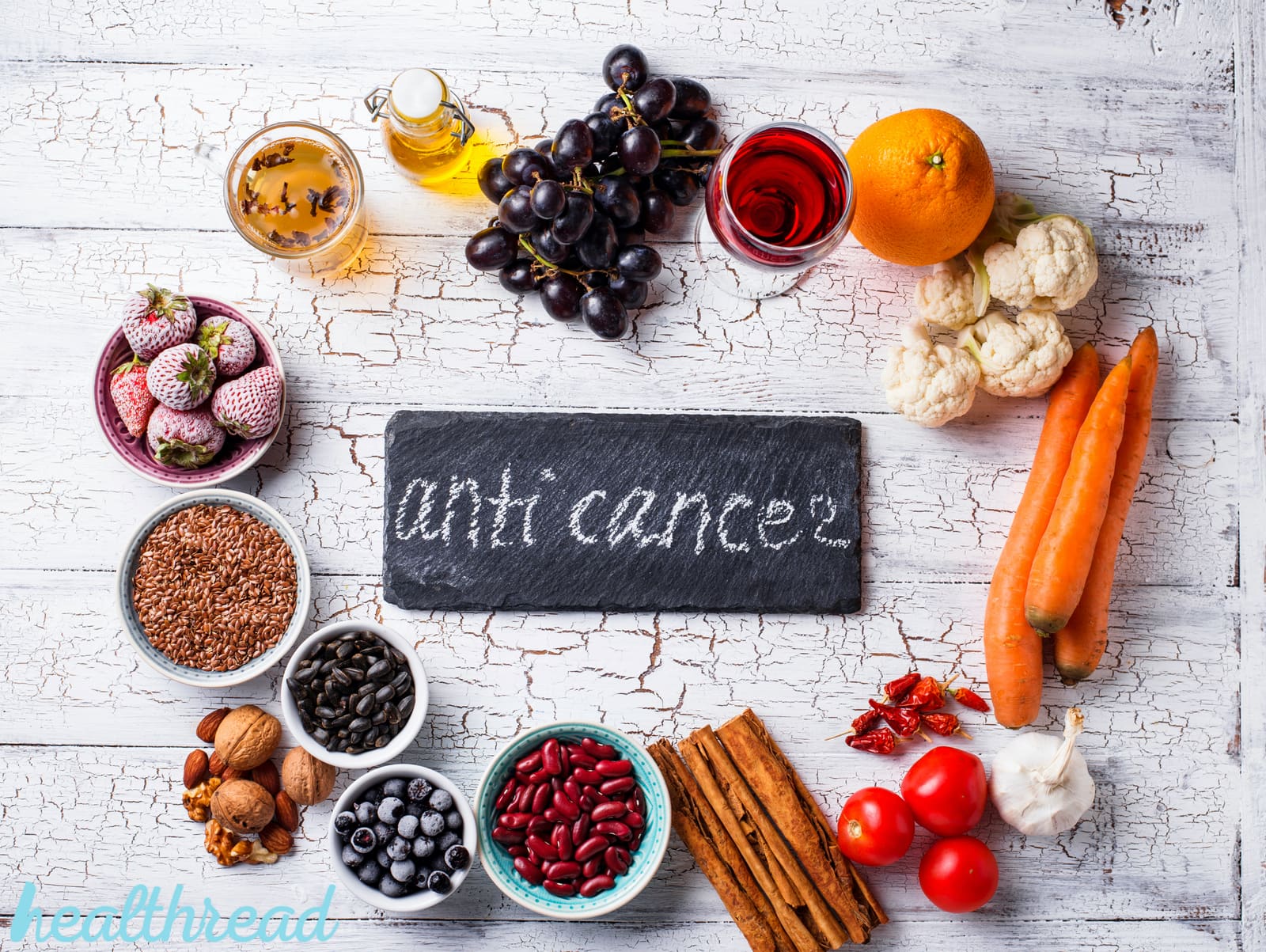
You are what you eat, as the saying goes. What you eat may decrease or increase your risk of developing cancer or other serious diseases. That’s why it’s crucial to know which foods can battle cancer and which may encourage tumor growth.
No diet can guarantee you won’t develop cancer, but a healthy, plant-based diet can aid you in this department. Not only does such a diet reduce your cancer risk, but it also helps lower the odds of cardiovascular diseases such as heart attack and stroke.
The NutriScore System
The French food labeling standard known as the NutriScore system was enacted in 2017. Also known as the 5-Colour Nutrition Label or 5-CNL, this label is placed on the front of food and beverage packs.
The label denotes the item’s nutritional value based on a color scale and grades ranging from A to E. Those foods receiving an A grade have dark green labels, indicating high nutritional value, while those on the other end of the spectrum have dark red labels.
NutriScore label scoring measures favorable nutrient quality, such as protein and fiber, against those with unfavorable qualities, such as sugar and sodium content and saturated fats. The color scale makes it simple for consumers to understand label contents.
The system includes all types of processed foods with the exception of teas and coffees. It also applies to beverages, with the exception of alcoholic drinks.
In 2013, the United Kingdom implemented a similar system, although it deals only with sodium and sugar and levels of fat.
Major Dietary Cancer Risk Factors
By using the NutriScore system, French consumers can avoid eating products that may increase cancer risks. The primary types of food to stay away from to reduce your risk of cancer are those having excess fat. Another common cause of cancer –the most frequent cause of death in France –is eating an unbalanced diet. NutriScore helps consumers make healthier food choices.
Foods Lowering Cancer Risk
Foods known for fighting cancer are usually full of phytochemicals. These compounds are found in plant foods.
Foods lowering cancer risk include:
- Vegetables
- Fruits
- Nuts
- Grains
- Seeds
- Legumes
It is not enough to eat one or two of these foods types to help protect yourself from cancer. Instead, consume a variety of them on a daily or regular basis.
While there is still a great deal of research necessary to determine which foods are the best cancer preventives, it is known that plant-based foods can reduce the odds of developing certain cancers, including those of the:
- Esophagus
- Head and neck
- Lungs
- Stomach
- Pancreas
- Prostate
Types of Phytochemicals
Phytochemicals come in various types. The best-known include:
- Carotenoids –Found in carrots, squash, broccoli, leafy greens, oranges, sweet potatoes, cantaloupe, and apricots, these phytochemicals can inhibit the growth of cancer cells. They help improve skin health, boost immunity, and can protect vision.
- Flavonoids –These foods help increase immunity and inhibit tumor growth. They include coffee and tea, apples, onions, citrus fruits, and soybeans.
- Inositol –Found in soybeans, nuts, and the bran from most grains, inositol prevents cell damage.
- Isoflavones –Found in soybeans, these phytochemicals minimize the production of hormones relating to cancer and limit tumor growth.
- Polyphenols –Found in apples, grapes, citrus fruits, berries, green tea, grains, and peanuts, these chemicals can reduce the odds of cancer formation.
Phytochemical Benefits
Benefits from phytochemicals, also known as phytonutrients, may include:
- Inflammation reduction
- Boosting the immune system
- Repairing DNA damage
- Hormone regulation
- Slowing growth of cancer cells
As long as your diet is rich in fruits and vegetables, you should receive a suitable amount of phytochemicals. While it is possible to receive some of these benefits from supplements, it is wise to eat a healthy diet containing these foods rather than rely on tablets or capsules.
Foods to Avoid
Keep yourself and your family as healthy as possible by avoiding processed foods. When it comes to cancer risk, that especially means not consuming processed meats, such as:
- Bacon
- Ham
- Hot dogs
- Salami
- Sausages
- Jerky
Even fresh meats pose a cancer risk, so it is wise to keep the consumption of those down or eliminate them entirely from your diet. Red meats, such as beef, pork, lamb, and veal, are linked with higher cancer rates. Keep fresh red meat eating down to no more than 18 ounces weekly.
Alcohol may trigger certain cancers, so either stop drinking or limit consumption considerably. Alcohol lessens your body’s ability to absorb essential nutrients that may fight cancer. It also can cause people to gain weight, another cancer risk factor.
If you drink sugary soft drinks, find a new way to quench your thirst. Water, tea – hot or iced, as long it is unsweetened –and coffee is a good substitute for high-calorie soft drinks with no nutritive value. Again, soft drinks cause weight gain, which increases cancer risk.
Sources
General information, not medical advice
This article can't account for your health history or current treatment. Talk to a qualified clinician before you change anything about your care.
Read our medical disclaimer →
On this page
The NutriScore System
Major Dietary Cancer Risk Factors
Foods Lowering Cancer Risk
Types of Phytochemicals
Phytochemical Benefits
Foods to Avoid
Sources
Put what you read to work
Track your medicines, check a symptom and talk with people managing the same condition, all in Healthread.
Get the app
Keep reading

Cancer-Updates
Gynecologic Cancer
Gynecologic cancer is a term used to describe a group of cancers that affect the female reproductive system. There are five types of gynecologic cancers named after the body part where they start.
November 5, 2024 · 3 min read

Cancer-Updates
Anal Cancer
Anal cancer is caused when the cancer cells in the anus grow uncontrollably, forming masses or tumors. The cancer cells can sometimes spread to other body parts, causing metastatic cancer.
August 18, 2024 · 3 min read

Cancer-Updates
Bile Duct Cancer (Cholangiocarcinoma)
Bile duct cancer, or cholangiocarcinoma, is a cancer that occurs in the bile ducts, the slender tubes that collect bile, a fluid made by the liver for breaking down fats in the digestion process.
April 17, 2024 · 2 min read


© 2026 Healthread
English · Español
Healthread does not provide medical advice, diagnosis or treatment. Always speak to a qualified clinician about your care.