

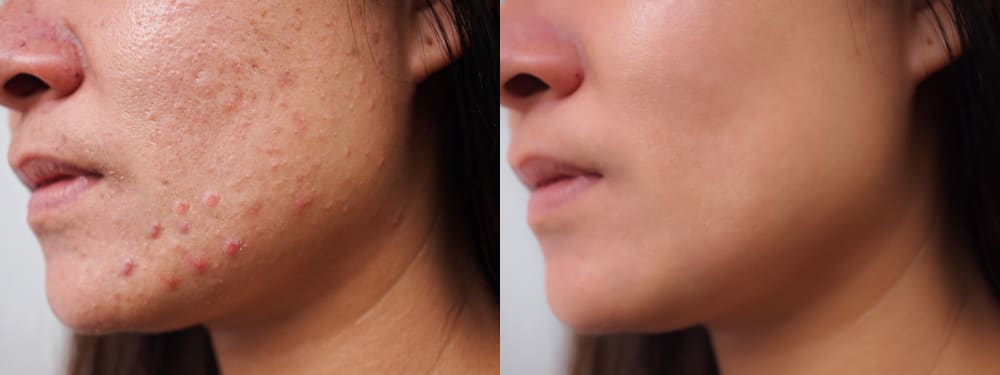
Acne is a skin condition that occurs when hair follicles become clogged, creating pimples and bumps. Dealing with acne can be frustrating, and it becomes even more difficult when acne leaves scars. Learning how to manage acne scars can make you feel more confident about your skin and overall appearance.
What Is Acne?
Your skin contains millions of hair follicles from which hair grows. Inside the top of each follicle are the sebaceous glands. These are tiny glands that produce an oily substance called sebum. Almost all of the skin on your body contains these sebum-producing glands. The only exceptions are the skin of your palms, lips, and bottom of your feet.
As sebum and dead skin cells build up within the hair follicle, the follicle can get clogged. A blackhead, or “open comedone,” occurs when the pore remains open. The material inside is exposed to the air and changes to a dark color. A whitehead, or “closed comedone,” occurs when sebum and dead skin cells are trapped within a pore. This causes a white or yellow bump to form. These skin changes can technically occur anywhere on the body, but they are more common on the face, forehead, upper back, shoulders, and chest.
Acne can cause a variety of skin problems, including:
- Whiteheads
- Blackheads
- Small red bumps that may feel tender (these are called papules)
- Pimples, or papules that develop pus in their tips
- Lumps below the surface of the skin that may feel solid and painful (called nodules)
- Pus-filled lumps below the surface of the skin that feel painful (called cystic lesions)
Causes of Acne Scars
Acne ranges in severity from mild to severe. Severe forms of acne often involve many cystic lesions as well as pimples. These lesions sometimes become inflamed as excess oil, bacteria, and dead skin cells build up. Inflammation causes swelling that breaks the wall of the follicle. When this occurs near the surface of the skin, the skin usually heals itself quickly. If the inflammation occurs in a deeper layer of skin, it may affect healthy skin tissue of the dermis (the second layer of skin).
When the dermis is damaged, the skin adds the protein collagen to repair the area. Collagen has good strength and flexibility, but it is the primary component in scars. Thus, the resulting area may appear darker, pocked, or raised. These acne scars may linger for months or years.
Prevention of Acne Scars
The best method for treating acne scars is to avoid getting them altogether. While some scarring may be inevitable, the following tips can help prevent new scars from developing:
- Never pick your skin. Picking, popping, and squeezing pimples forces bacteria into the dermis and spreads the infection. This is particularly true for deeper, cystic lesions.
- Avoid aggressive skincare regimens. Scrubbing skin, using physical exfoliants, and harsh products can increase inflammation.
- Treat acne the moment it develops. It’s easier to treat acne before it becomes a serious problem. Visit a dermatologist if over-the-counter treatments don’t work after a few weeks of consistent use.
- Use sunscreen. UV light can exacerbate hyperpigmentation and make scars more noticeable. Wear sunscreen daily to reduce the appearance of acne scars.
Treatment Options for Acne Scars
Once acne scars develop, there are several treatments that can help to reduce their appearance. Many of these should be performed under the care of a dermatologist, so seek a specialist’s opinion to get tailored recommendations. Options include:
- Prescription retinoids. Retinoids are a class of chemicals that reduce dark spots and acne scars. While some retinoids are available over the counter, the highest concentrations can only be obtained via prescription.
- Microdermabrasion. Microdermabrasian is a procedure that removes dead skin cells and reduces the amount of oil in your pores. A spa or dermatologist’s office can offer this procedure, which involves passing a handheld device over the skin.
- Chemical peels. Chemical peels deliver a high concentration of chemicals to the face or other affected areas, removing the old layer of skin and promoting new skin growth. This can reduce the appearance of scars.
- Microneedling with platelet-rich plasma. Platelet-rich plasma, or PRP, contains growth factors that promote wound healing. Microneedling uses tiny needles to deliver PRP to affected scars, reducing their appearance.
- Trichloroacetic acid. Trichloroacetic acid, or TCA, is a chemical that chemically restructures the skin to reduce the appearance of scars. It is a form of chemical peel.
- Laser treatment. Laser treatments focus laser energy on affected areas of skin, breaking up scar tissue and promoting the growth of healthier skin. It may take several laser treatment sessions to see results.
Many people try multiple approaches before finding one that works for them. The most important thing is to prevent new scars from forming by using sunscreen regularly, avoiding picking your skin, and practicing a good skincare routine.
Información general, no consejo médico
Este artículo no puede tener en cuenta tu historial de salud ni tu tratamiento actual. Habla con un profesional sanitario cualificado antes de cambiar nada de tu cuidado.
Lee nuestro aviso médico →
Pon en práctica lo que lees
Controla tus medicamentos, consulta un síntoma y habla con personas que viven con la misma enfermedad, todo en Healthread.
Descargar la app
Sigue leyendo

Beauty and Anti-Aging
Gastric Balloon for Weight Loss
The gastric balloon weight loss procedure is a new FDA-approved minimally invasive bariatric procedure for treating obesity. It is a temporary procedure that involves placing a saline-filled silicone balloon in the…
19 de junio de 2025 · 3 min de lectura
Beauty and Anti-Aging
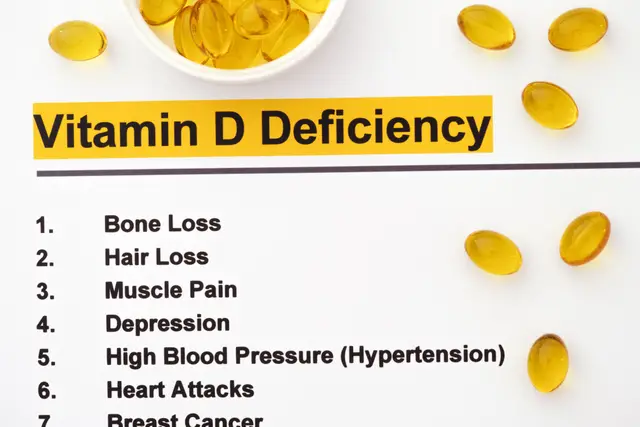
Vitamin D Deficiency
Also known as the sunshine vitamin, vitamin D is an essential nutrient that is naturally absorbed by the skin through exposure to sunlight. It can also be obtained from dietary sources and supplements.
30 de diciembre de 2024 · 3 min de lectura
Beauty and Anti-Aging
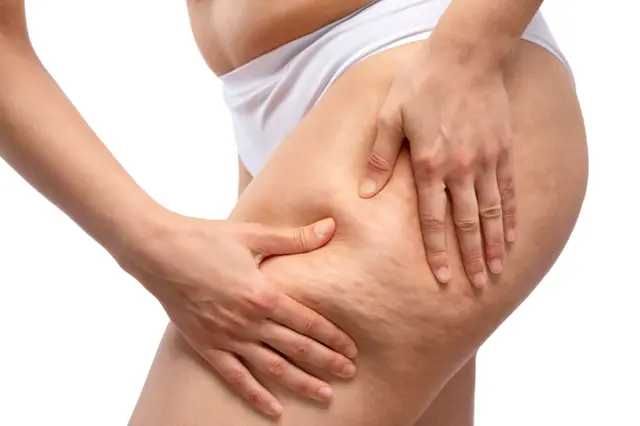
Cellulite
Cellulite appears with an orange peel or cottage cheese-like texture with a dimpled or lumpy skin surface. Mild cellulite is visible when you pinch the area with cellulite, like the thighs. Severe cellulite can make the…
13 de agosto de 2024 · 3 min de lectura


© 2026 Healthread
English · Español
Healthread no ofrece asesoramiento médico, diagnóstico ni tratamiento. Consulta siempre a un profesional sanitario cualificado sobre tu atención.