

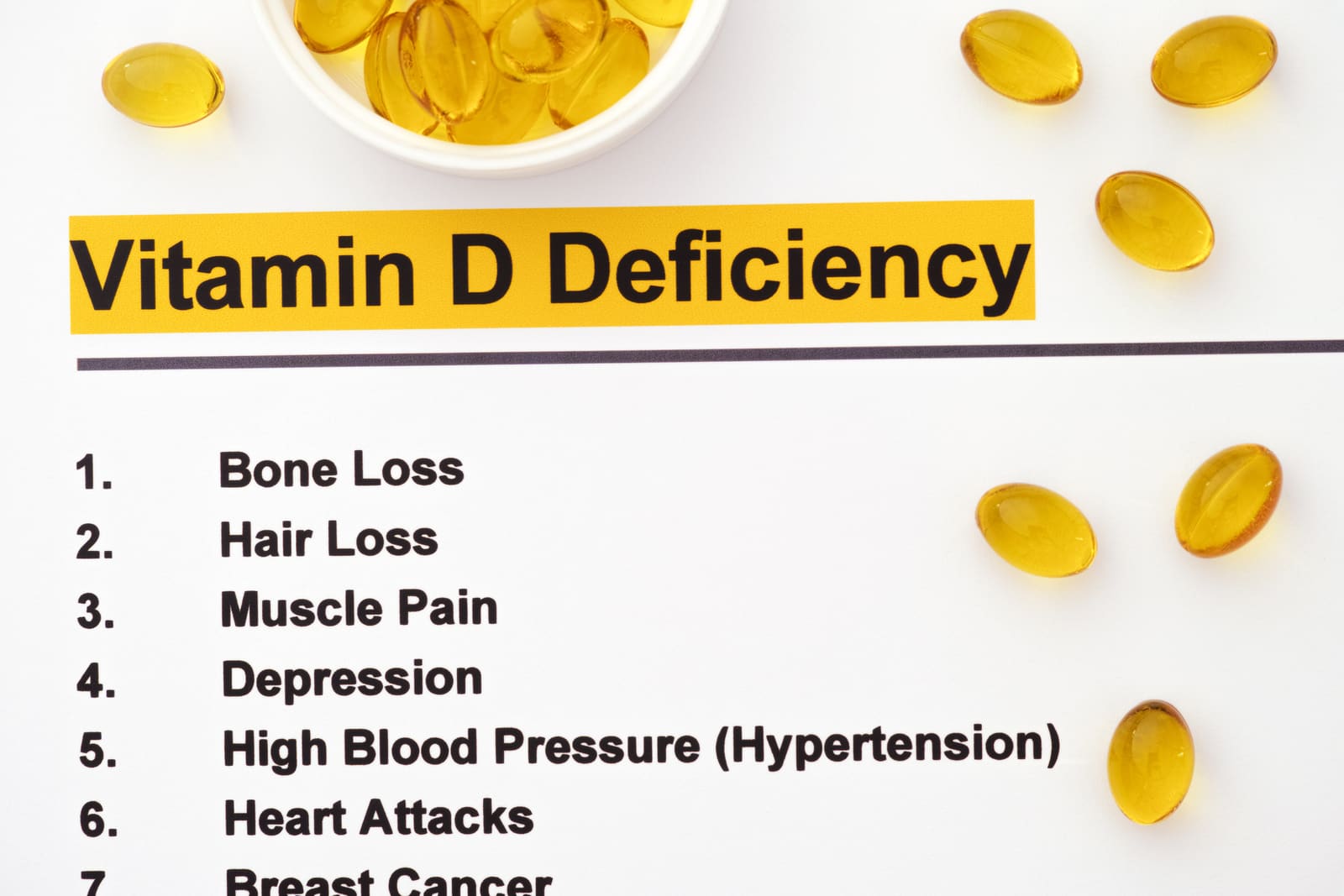
Vitamin D deficiency means you do not have enough vitamin D in your body. Also known as the sunshine vitamin, vitamin D is an essential nutrient that is naturally absorbed by the skin through exposure to sunlight. It can also be obtained from dietary sources and supplements.
Why is vitamin D important?
Vitamin D has important functions including:
- Supporting bone health through healthy absorption of calcium
- Helping in cell growth.
- Helping in the absorption of calcium and phosphorous to build bones and support healthy tissue.
- Maintaining the immune system.
- Reducing inflammation and preventing diseases like rheumatoid arthritis.
- Maintaining cardiovascular health.
Vitamin D Deficiency Causes
The causes of vitamin D deficiency may include:
Not getting enough vitamin D from the diet:
People who follow a strict vegan diet may miss out on the vitamin D available from certain animal
based foods like:
- Egg yolks
- Fatty fish including salmon, tuna, mackerel, and trout
- Fish liver oils
- Beef liver
- Milk and milk products
Not getting enough sun exposure
The body makes vitamin D naturally when exposed to sunlight. Some people may experience a vitamin D deficiency if they:
- Stay indoors most of the time.
- Live in the northern climate.
- Wear sunscreen every time they go out.
Having a darker skin tone
People with a darker skin tone have a higher amount of melanin, the pigment that gives the skin its color. High melanin content can block the skin’s ability to create vitamin D after exposure to the sun.
Medical conditions
The medical conditions that can cause a vitamin D deficiency may include:
- Obesity: Having a BMI of more than 30.
- Cystic fibrosis, Crohn’s disease, and colitis: The conditions may prevent the intestine from absorbing vitamin D.
- Kidney and liver disease: The conditions reduce certain enzymes required to change the vitamin D to a form in which it can be used.
Weight loss surgeries
Weight loss surgeries like gastric bypass surgery that reduce the stomach size or bypass a part of the small intestine can make it difficult for the body to absorb essential nutrients, vitamins, and minerals.
Medications
The medications that can cause a vitamin D deficiency include
- Steroids, like prednisone
- Laxatives
- Cholesterol-lowering drugs like colestipol and cholestyramine
- Seizure-preventing drugs like phenytoin and phenobarbital
- Orlistat (a weight-loss drug)
- Rifampin (a tuberculosis drug).
Symptoms of Vitamin D Deficiency
While a deficiency in vitamin D may have no symptoms or the symptoms may appear after many years, it increases the risk of developing certain long-term health problems.
Some symptoms of vitamin D deficiency may include:
- Bone and back pain
- Fatigue
- Muscle aches and cramps
- Mood changes like anxiety and depression
- Impaired wound healing
In the long run, severe vitamin D deficiency may cause:
- Loss of bone density which contributes to fractures and osteoporosis.
- Osteomalacia that leads to bone pain, and bone and muscle weaknesses.
Children with mild vitamin D deficiency may have weak, sore, or painful muscles.
How is vitamin D deficiency diagnosed?
Your healthcare provider may order a blood test to determine your vitamin D levels if you:
- Have any symptoms.
- Have any underlying medical conditions that can cause a vitamin D deficiency.
- Are at a risk of developing a vitamin D deficiency.
Vitamin D Deficiency Treatment
People with a vitamin D deficiency may be prescribed supplements. The supplements come in two forms:
- Ergocalciferol (D2) which needs a prescription; and,
- Cholecalciferol(D3) ,available over-the-counter.
It takes about six to eight weeks of taking vitamin D supplements for the body to reach normal vitamin D levels.
Vitamin D Deficiency Prevention
Vitamin D deficiency can be prevented by:
- Getting regular sun exposure.
- Having a diet rich in vitamin D.
- Taking vitamin D supplements.
Can too much vitamin D be harmful?
Too much vitamin D can be harmful with symptoms like:
- Nausea and vomiting
- Constipation
- Weaknesses
- Loss of appetite
High levels of vitamin D may cause hypercalcemia (high calcium levels) leading to:
- Kidney failure
- Irregular heartbeat (arrhythmia)
- Confusion
Source links
- 1my.clevelandclinic.org/health/diseases/15050-vitamin-d-vitamin-d-deficiency
- 2medlineplus.gov/vitaminddeficiency.html
- 3webmd.com/diet/vitamin-d-deficiency
- 4yalemedicine.org/conditions/vitamin-d-deficiency
- 5healthline.com/nutrition/vitamin-d-deficiency-symptoms
- 6mayoclinic.org/healthy-lifestyle/nutrition-and-healthy-eating/expert-answers/vitamin-d-deficiency/faq-20058397
- 7ods.od.nih.gov/factsheets/VitaminD-HealthProfessional/
- 8medicalnewstoday.com/articles/318060
- 9pmc.ncbi.nlm.nih.gov/articles/PMC2912737/
- 10nejm.org/doi/full/10.1056/NEJMra070553
Información general, no consejo médico
Este artículo no puede tener en cuenta tu historial de salud ni tu tratamiento actual. Habla con un profesional sanitario cualificado antes de cambiar nada de tu cuidado.
Lee nuestro aviso médico →
En esta página
Why is vitamin D important?
Vitamin D Deficiency Causes
Not getting enough sun exposure
Having a darker skin tone
Medical conditions
Weight loss surgeries
Medications
Symptoms of Vitamin D Deficiency
How is vitamin D deficiency diagnosed?
Vitamin D Deficiency Treatment
Vitamin D Deficiency Prevention
Can too much vitamin D be harmful?
Source links
Pon en práctica lo que lees
Controla tus medicamentos, consulta un síntoma y habla con personas que viven con la misma enfermedad, todo en Healthread.
Descargar la app
Sigue leyendo
Beauty and Anti-Aging
Gastric Balloon for Weight Loss
The gastric balloon weight loss procedure is a new FDA-approved minimally invasive bariatric procedure for treating obesity. It is a temporary procedure that involves placing a saline-filled silicone balloon in the…
19 de junio de 2025 · 3 min de lectura
Beauty and Anti-Aging
Cellulite
Cellulite appears with an orange peel or cottage cheese-like texture with a dimpled or lumpy skin surface. Mild cellulite is visible when you pinch the area with cellulite, like the thighs. Severe cellulite can make the…
13 de agosto de 2024 · 3 min de lectura
Beauty and Anti-Aging
Peptic Ulcer Disease
The gastrointestinal tract has a protective mucus lining that protects the stomach from substances like corrosive digestive acids. Peptic ulcer occurs when the layers of the mucus lining are eroded.
11 de agosto de 2024 · 3 min de lectura


© 2026 Healthread
English · Español
Healthread no ofrece asesoramiento médico, diagnóstico ni tratamiento. Consulta siempre a un profesional sanitario cualificado sobre tu atención.