

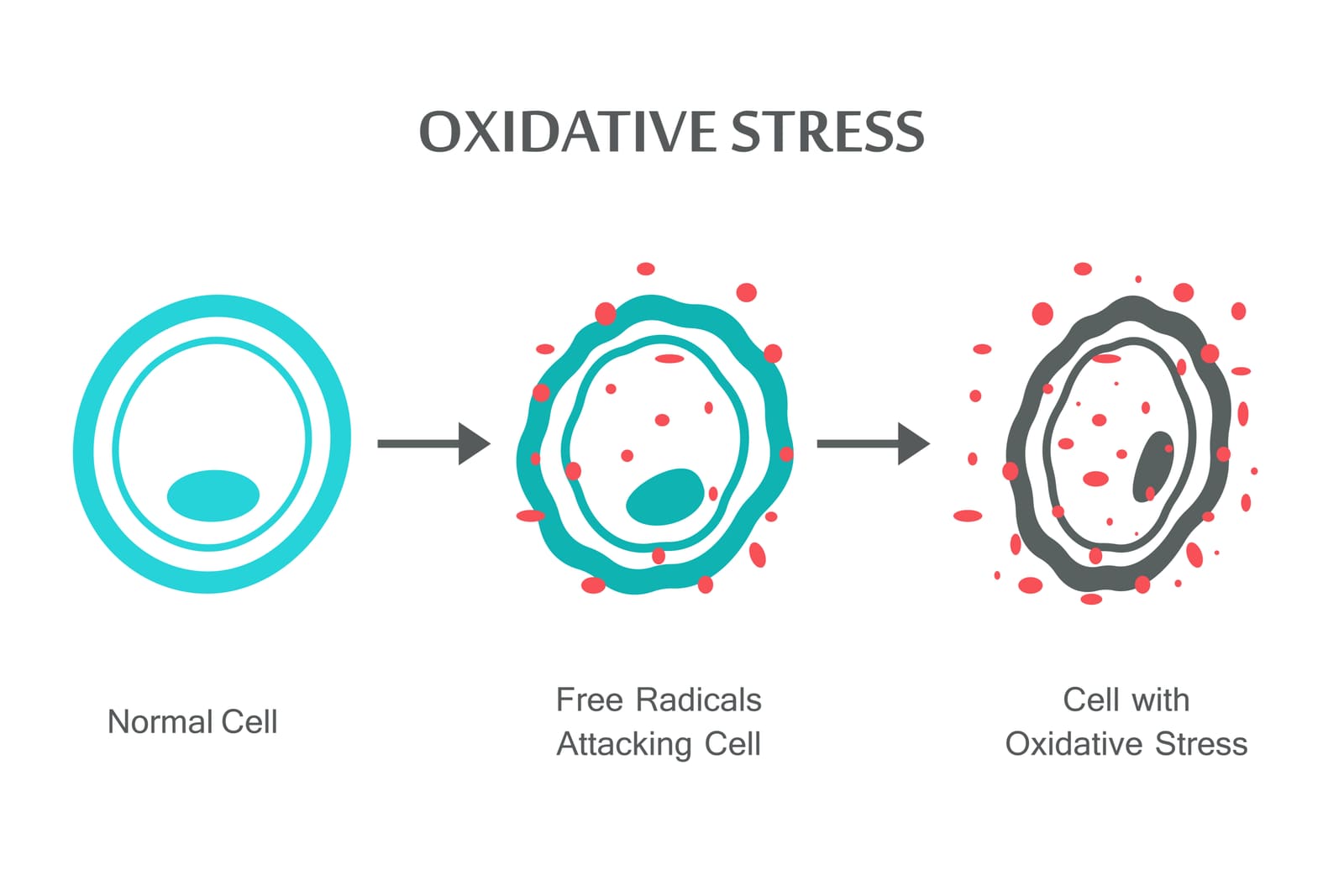
Antioxidants are vitamins or minerals that can be found in whole foods, as well as taken in supplements. According to Harvard Healthbeat, the term "antioxidant" is a general term for any chemical compound that can counteract other molecules called "free radicals" that damage the body's cells and DNA. Vitamins A, E, and C, along with minerals including selenium, zinc, and copper, all have antioxidant properties. Carotenoids, including lutein, lycopene, and beta-carotene, are other compounds that have antioxidant qualities.
Why are antioxidants beneficial?
When our bodies are under "oxidative stress" caused by free radicals, cells can be damaged. According to the National Institutes of Health (NIH), oxidative stress is associated with a number of diseases, including heart disease, cancer, diabetes, Alzheimer's disease, Parkinson's disease, age-related macular degeneration, and cataracts.
Antioxidants naturally neutralize free radicals due to the way they react chemically with them. According to Harvard Healthbeat, antioxidants break chain reactions of oxidization in the body and act as an "off" switch to the damaging effects of free radical molecules.
Laboratory experiments on cells and animals have shown some direct beneficial effects of antioxidant molecules, according to the National Institutes of Health (NIH). Studies have shown that people who eat diets rich in antioxidants on average, do experience health benefits against diseases that are associated with oxidative stress, like heart disease, cancer, and diabetes. However, the NIH reports that to date, no rigorous scientific studies with many thousands of people have shown specific health benefits of antioxidant supplements.
Antioxidants in food
According to Harvard Healthbeat, antioxidants do benefit your health, but it's better to eat a diet rich in them than it is to consume lower-nutrition foods and take antioxidant supplements. Antioxidants are one category of phytonutrients: nutrition found in plants. Plant foods, including fruits and vegetables, contain nutrition that benefits overall health.
Food colors can sometimes be a tip that the food is high in a certain antioxidant. One of the best-known antioxidants is beta-carotene. Its name indicates one vegetable where it is found: carrots. Other foods high in beta-carotene include pumpkin, mango, and apricots. Vitamin C is found in oranges, kiwi fruit, mango, broccoli, spinach, and strawberries, among othr fruits and/or vegetables. Zinc, which benefits the immune system and cell health, is found in lean meat, seafood, dairy milk, and nuts (including nut milk).
Risks of supplements
According to the government of Victoria Australia's Better Health Channel, evidence is mounting that antioxidants have a better effect when they're consumed in food, instead of taken in supplement form. There are a few risks of supplementation with antioxidants, including a higher risk of lung cancer in smokers who take a Vitamin A supplement. While researchers don't understand the exact mechanisms behind food-based antioxidant benefits, and the exact reason why some refined supplements don't have the same benefits, the message is clear: eating fruits and vegetables high in antioxidants has more benefits than taking supplement pills or capsules.
Other antioxidants and diet
Flavenols are a type of antioxidant found in cocoa, and there are additional foods or beverages which contain beneficial antioxidant compounds, including:
- Anthocyanins: found in blueberries
- Quercetin: found in apples and onions
- Catechins: found in green tea
A balanced diet rich in a variety of fruits, vegetables, and occasional supplements with foods containing cocoa, or drinking green tea, can provide antioxidants to help you stay healthy. The primary advice from nutritionists and medical experts is to eat a balanced diet rich in natural antioxidants in food, and avoid behaviors that create harmful free radicals, including tobacco smoking.
Sources
Información general, no consejo médico
Este artículo no puede tener en cuenta tu historial de salud ni tu tratamiento actual. Habla con un profesional sanitario cualificado antes de cambiar nada de tu cuidado.
Lee nuestro aviso médico →
En esta página
Why are antioxidants beneficial?
Antioxidants in food
Risks of supplements
Other antioxidants and diet
Sources
Pon en práctica lo que lees
Controla tus medicamentos, consulta un síntoma y habla con personas que viven con la misma enfermedad, todo en Healthread.
Descargar la app
Sigue leyendo
Beauty and Anti-Aging
Gastric Balloon for Weight Loss
The gastric balloon weight loss procedure is a new FDA-approved minimally invasive bariatric procedure for treating obesity. It is a temporary procedure that involves placing a saline-filled silicone balloon in the…
19 de junio de 2025 · 3 min de lectura
Beauty and Anti-Aging
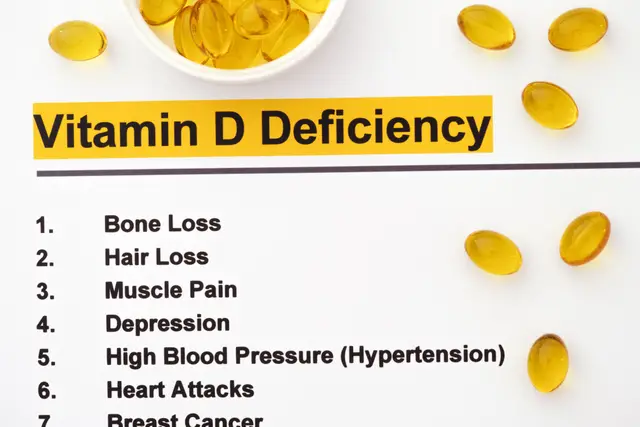
Vitamin D Deficiency
Also known as the sunshine vitamin, vitamin D is an essential nutrient that is naturally absorbed by the skin through exposure to sunlight. It can also be obtained from dietary sources and supplements.
30 de diciembre de 2024 · 3 min de lectura
Beauty and Anti-Aging
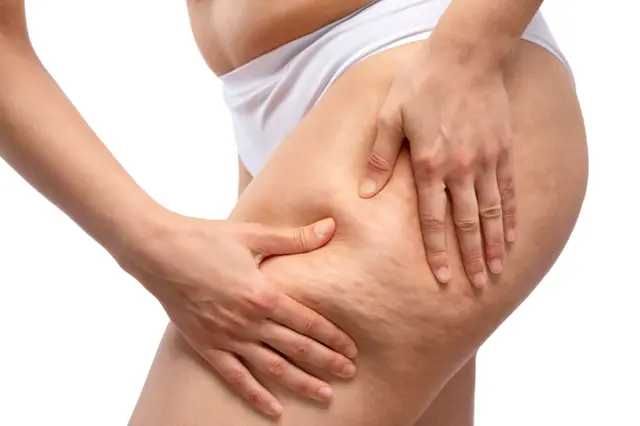
Cellulite
Cellulite appears with an orange peel or cottage cheese-like texture with a dimpled or lumpy skin surface. Mild cellulite is visible when you pinch the area with cellulite, like the thighs. Severe cellulite can make the…
13 de agosto de 2024 · 3 min de lectura


© 2026 Healthread
English · Español
Healthread no ofrece asesoramiento médico, diagnóstico ni tratamiento. Consulta siempre a un profesional sanitario cualificado sobre tu atención.