

Atopic Dermatitis: What can trigger it?
3 de enero de 2023
4 min de lectura
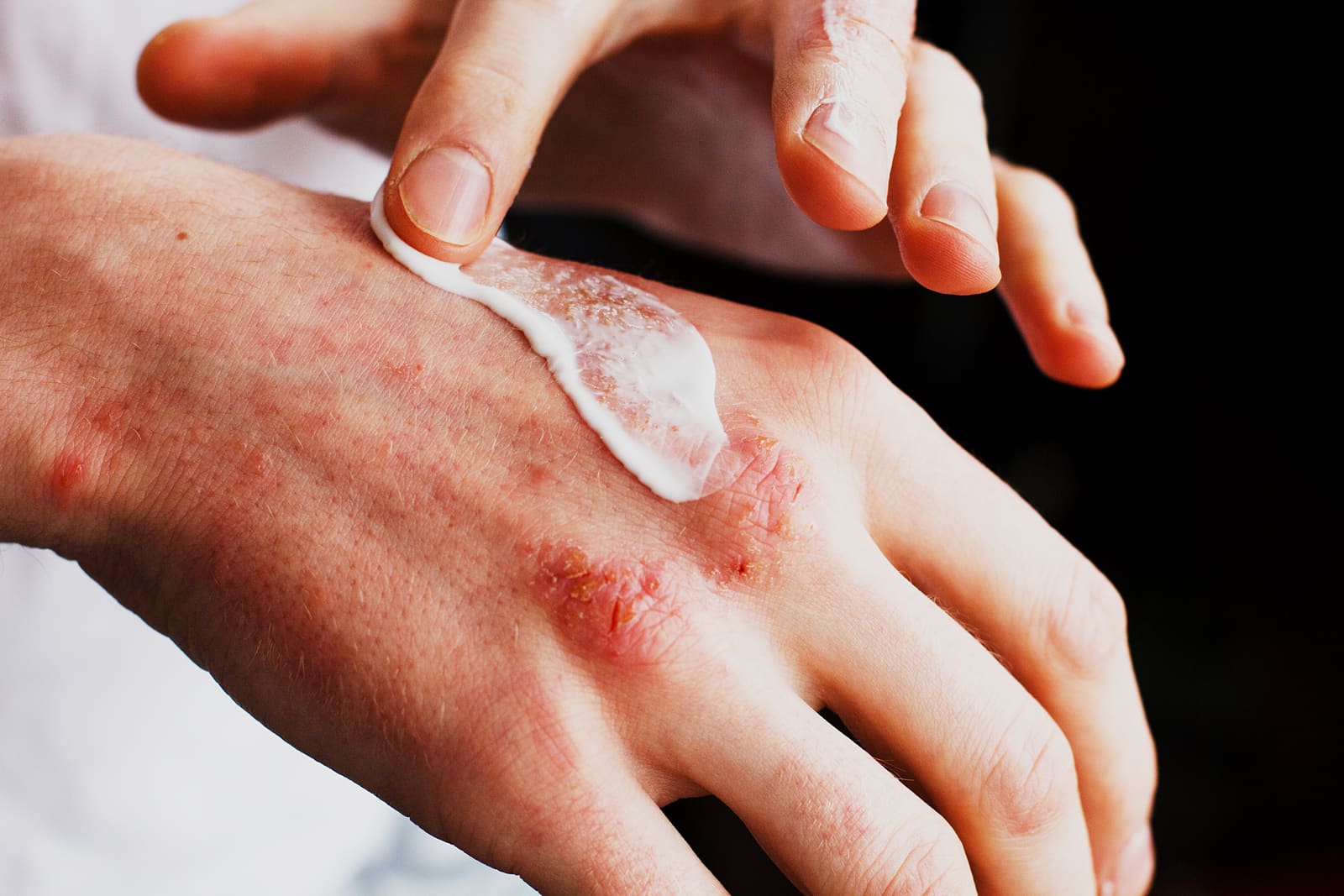
If you have atopic dermatitis or eczema, you know how challenging it can be. People suffering from eczema often struggle with dry, itchy skin, blisters, dry patches, spots and bumps, and several other symptoms.
Recent studies claim that at least 31.6 million (10%) people currently suffer from eczema in the U.S. Also, 1 in 10 people is likely to develop eczema in their lifetime, with the occurrence being most prevalent during early childhood.
Even though the causes of eczema are unknown, people with eczema often have a hyperactive immune system that causes inflammation when coming in contact with certain allergens or irritants.
What triggers atopic dermatitis (eczema)?
Certain external factors can trigger your eczema symptoms and can cause flare-ups. The eczema symptoms and the nature of flare-ups can vary from one person to the other
Dermatologists and eczema patients try to identify the factors that trigger eczema in their skin to limit exposure and avoid flare-ups.
Some triggers that can cause eczema flare-ups are as under.
Irritants
Your skin might react after coming in contact with certain substances. They can be the chemicals used in regular household products like detergents, cosmetics, shampoo, or deodorants.
Products with strong fragrances often trigger eczema symptoms, while certain natural products like wool, fruits, vegetables, and meat can cause flare-ups in some people.
To prevent eczema from such irritants, you can:
- Use a pair of cotton gloves to protect your skin when using chemicals for cleaning purposes.
- Use natural products whenever possible and avoid artificial ingredients.
- Know which product causes triggers and avoid coming in contact with them.
Allergies
If you have an allergic reaction to dust, mites, pollen, smoke, etc., exposure to such substances can trigger eczema symptoms. To avoid such triggers, you need to:
- Keep the windows closed and limit time outdoors when the pollutants are high.
- Vacuum your home frequently to prevent an accumulation of dust and other allergic substances.
- Use an air purifier to have clean air indoors to avoid eczema triggers.
Extremely hot or cold weather
Extreme hot or cold weather or seasonal changes can trigger eczema in people. While cold weather can bring dry and itchy skin, hot weather can make your skin damp and sweaty, triggering flare-ups.
You can take the following steps to prevent flare-ups caused by weather changes.
- Make sure to cover up in extremely cold or hot weather to prevent your skin drying.
- Use moisturizers that are eczema friendly to keep your skin moist and healthy.
- Protect your skin from burning by using sunscreen with natural ingredients when out in the sun. Sunburn can trigger a flare-up in eczema.
Stress
Stress, anxiety, and mental health problems can trigger your eczema, causing flare-ups. When stressed, your body’s immunity can weaken, triggering eczema.
You can take the following actions to prevent eczema flare-ups due to stress.
- Take care of your emotional health and maintain balance.
- Participate in activities like meditation and yoga to manage your stress levels.
- If you suffer from chronic stress and depression, get help from professionals to keep the flare-ups at bay.
Hot water
Soaking in hot water can drain your skin of the essential oils, making it dull, dry, and itchy. Avoid bathing in extremely hot water, and keep your skin well moisturized to avoid eczema flare-ups.
Diet
In addition to the external triggers, the food you eat can also cause your skin to flare up. If you are prone to eczema after eating a particular food, take note and avoid having them in the future to prevent triggering eczema.
Some foods that can trigger eczema are:
- Food with artificial ingredients
- Hot and spicy food
- If you find yourself allergic to certain foods like peanuts, cow’s milk, soy, or wheat
- Food that is inflammatory in nature, like gluten, excess sugar, and refined flour
Hormonal Changes
Women are likely to experience eczema flare-ups during periods or hormonal changes during menopause or perimenopause. Researchers claim that a drop in estrogen levels can trigger eczema symptoms in such cases.
If you find a connection between your menstrual cycle and eczema flare-ups, you can contact your doctor to get medicines that can relieve your symptoms.
Exercise
While exercising regularly can improve your mood and reduce stress, the sweat can trigger eczema in your skin. To prevent flare-ups, you can do the following:
- Wear comfortable,moisture-wicking clothes that do not cause a reaction to your skin.
- Avoid wearing damp clothes for a long time and make sure to change as soon as you can after exercising to prevent flare-ups.
- Showering immediately after exercise can wash away the sweat and keep your skin clean and dry.
- Make sure to drink lots of water to replenish your skin after a workout.
You can be in control of your eczema by taking proper care of your skin and avoiding the external triggers that can cause eczema flare-ups in the future.
How have you avoided eczema triggers? Share your experience with your fellow Healthread readers.
Sources
Información general, no consejo médico
Este artículo no puede tener en cuenta tu historial de salud ni tu tratamiento actual. Habla con un profesional sanitario cualificado antes de cambiar nada de tu cuidado.
Lee nuestro aviso médico →
En esta página
What triggers atopic dermatitis (eczema)?
Irritants
Allergies
Extremely hot or cold weather
Stress
Hot water
Diet
Hormonal Changes
Exercise
Sources
Pon en práctica lo que lees
Controla tus medicamentos, consulta un síntoma y habla con personas que viven con la misma enfermedad, todo en Healthread.
Descargar la app
Sigue leyendo

Beauty and Anti-Aging
Gastric Balloon for Weight Loss
The gastric balloon weight loss procedure is a new FDA-approved minimally invasive bariatric procedure for treating obesity. It is a temporary procedure that involves placing a saline-filled silicone balloon in the…
19 de junio de 2025 · 3 min de lectura
Beauty and Anti-Aging
Vitamin D Deficiency
Also known as the sunshine vitamin, vitamin D is an essential nutrient that is naturally absorbed by the skin through exposure to sunlight. It can also be obtained from dietary sources and supplements.
30 de diciembre de 2024 · 3 min de lectura
Beauty and Anti-Aging
Cellulite
Cellulite appears with an orange peel or cottage cheese-like texture with a dimpled or lumpy skin surface. Mild cellulite is visible when you pinch the area with cellulite, like the thighs. Severe cellulite can make the…
13 de agosto de 2024 · 3 min de lectura


© 2026 Healthread
English · Español
Healthread no ofrece asesoramiento médico, diagnóstico ni tratamiento. Consulta siempre a un profesional sanitario cualificado sobre tu atención.