

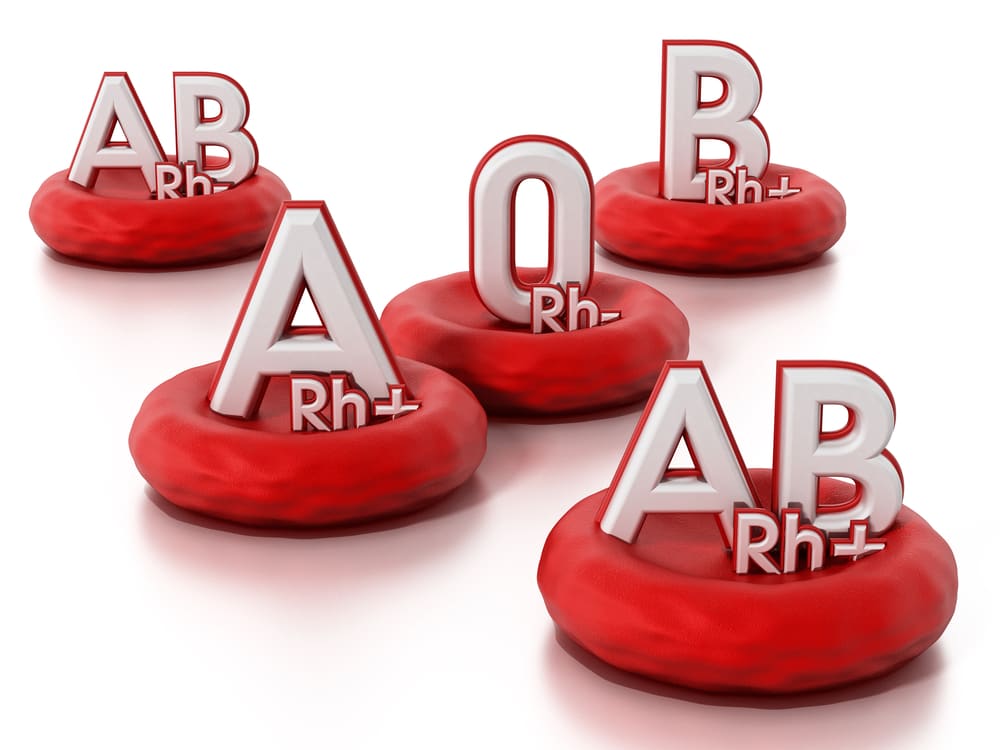
Blood types are a crucial part of your overall health and are determined by genes inherited from your parents. You inherit either the presence or the absence of substances known to trigger an immune response to a foreign invader in the body (antigens). It is important to understand your blood type as the presence of certain antigens in transfused blood can be deadly.
The month of January is designated as National Blood Donor Month. Historically, it is a period where the nation experiences a critical shortage of blood. Bad weather, the holidays, and colds and flu contribute to a reduced number of people donating blood in January, and throughout the winter months.
What makes a blood type?
There are four main blood types, each requiring blood typing and crossmatching before you receive a transfusion. The key components of blood include red blood cells, white blood cells, plasma, and platelets. The red blood cells are responsible for carrying oxygen to the body, white blood cells help the immune system, plasma contains proteins and salts, and platelets help the blood to clot.
Your blood group is determined by what type of antigen binds to the surface of your red blood cells. Antigens can contain sugars or proteins and vary in duties based on small genetic differences. There are two main types of antigens that help to classify a blood type - ABO antigens and Rh antigens.
Common functions of antigens include:
- Detecting foreign cells that could cause illness or interactions
- Maintain the structure of red blood cells
- Transports molecules in and out of cells
ABO blood system
There are several blood groups that help to classify blood types based on the antibodies present in plasma and antigens on the surface of red blood cells. The four ABO groups include:
- Group A is defined by A antigens present at the surface of red blood cells while the plasma contains B antibodies. Those with group A blood will experience a serious reaction to blood transfusions that contain blood cells with B antigens.
- Group B is defined by B antigens present at the surface of red blood cells with A antibodies in the plasma. These people will experience an internal attack if they receive blood that contains type A antigens.
- Group AB patients have red blood cells that contain antigens A and B, but the plasma doesn’t have anti-A or B antibodies. Those with AB blood can receive blood from any ABO blood type.
- Group O is defined as no presence of A or B antigens on the red blood cells but plasma contains anti-A and anti-B antibodies. Those with group O blood can give blood to any ABO blood group.
What is the rhesus factor?
The Rhesus factor (Rh factor) is a protein in the blood that is inherited from parents. If your blood cells contain this protein, your ABO type is considered positive if your blood cells do not contain this protein, your ABO type is negative. While there are four ABO groups, there are eight possible blood types after considering the Rhesus factor - A+, A-, B+, B-, AB+, AB-, O+, and O-. Those with O- blood are considered universal donors as they can give blood to any and all other blood types.
Why are blood types important?
The immune system works diligently to protect the body from foreign invaders that can cause illness or disease. Nearly 16 million units of blood products are given each year in the United States alone. Transfusions are given in emergency situations and could be the determining factor between life and death for a person. If donor cells are not properly crossmatched and types, the recipient's body will recognize these cells as foreign invaders and attack them as they meet with other cells.
Takeaway
Understanding your blood type can help to save your life in a true emergency. While hospitals and emergency rooms try to maintain a hefty supply of universal donor blood, the supply levels of O- blood frequently reach critically low levels.
If you do not know your blood type, you can use an at-home kit, contact your primary care provider, or donate blood to learn more.
And remember, donating blood and plasma can have a lifesaving impact on another person.
Información general, no consejo médico
Este artículo no puede tener en cuenta tu historial de salud ni tu tratamiento actual. Habla con un profesional sanitario cualificado antes de cambiar nada de tu cuidado.
Lee nuestro aviso médico →
En esta página
What makes a blood type?
ABO blood system
What is the rhesus factor?
Why are blood types important?
Takeaway
Pon en práctica lo que lees
Controla tus medicamentos, consulta un síntoma y habla con personas que viven con la misma enfermedad, todo en Healthread.
Descargar la app
Sigue leyendo

Beauty and Anti-Aging
Gastric Balloon for Weight Loss
The gastric balloon weight loss procedure is a new FDA-approved minimally invasive bariatric procedure for treating obesity. It is a temporary procedure that involves placing a saline-filled silicone balloon in the…
19 de junio de 2025 · 3 min de lectura
Beauty and Anti-Aging
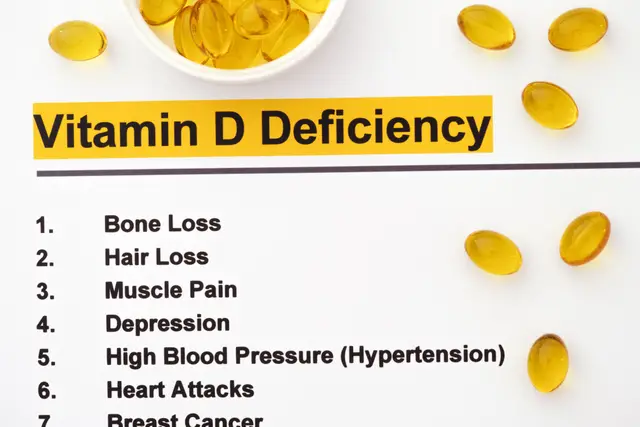
Vitamin D Deficiency
Also known as the sunshine vitamin, vitamin D is an essential nutrient that is naturally absorbed by the skin through exposure to sunlight. It can also be obtained from dietary sources and supplements.
30 de diciembre de 2024 · 3 min de lectura
Beauty and Anti-Aging
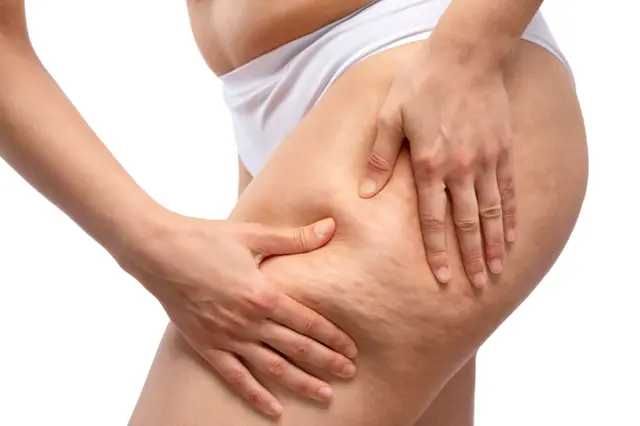
Cellulite
Cellulite appears with an orange peel or cottage cheese-like texture with a dimpled or lumpy skin surface. Mild cellulite is visible when you pinch the area with cellulite, like the thighs. Severe cellulite can make the…
13 de agosto de 2024 · 3 min de lectura


© 2026 Healthread
English · Español
Healthread no ofrece asesoramiento médico, diagnóstico ni tratamiento. Consulta siempre a un profesional sanitario cualificado sobre tu atención.