

Causes of Nocturnal Leg Cramps
10 de marzo de 2021
3 min de lectura
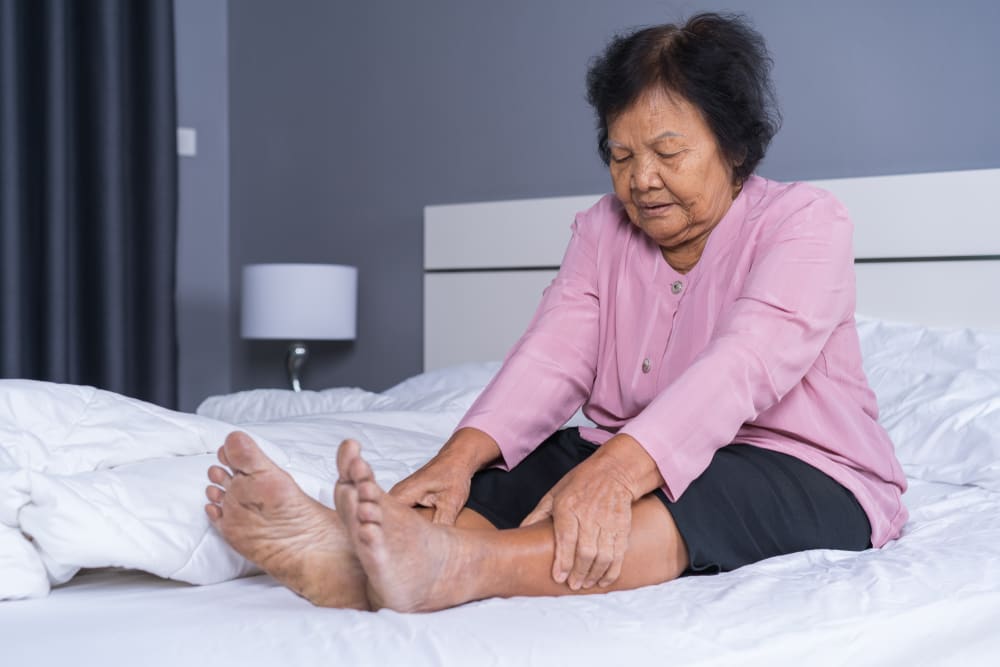
Nocturnal leg cramps, also called nighttime leg cramps or nicknamed Charley horses, are a common lower-extremity issue that causes pain and can interrupt your sleep. They're involuntary, painful spasms or contractions of your leg muscles, typically occurring when you're laying in bed. Up to 60% of adults claim they've experienced nocturnal leg cramps. The painful, recurrent tightening typically occurs in the calf muscles and can lead to serious insomnia.
Causes of Nocturnal Leg Cramps
Usually, there isn't any apparent cause for leg cramps at night. Generally, nocturnal leg cramps are likely to be related to nerve issues and muscle fatigue. The risk of experiencing Charley horses increases with age. Women who are pregnant also have a higher risk of experiencing night leg cramps.
Conditions That Can Cause Nocturnal Leg Cramps
A few conditions like diabetic nerve damage, as well as kidney failure, are known culprits for nocturnal leg cramps. But, if you are dealing with one of these conditions, you're likely aware of it and are experiencing symptoms other than cramps at night.
Other conditions that could be linked with nighttime leg cramps are:
- Dehydration
- Structural disorders
- Metabolic issues
- Anemia
- Spinal stenosis
- Acute kidney failure
- Muscle fatigue
- Diarrhea
- Addison's disease (adrenal insufficiency)
- Nerve damage (like from treatments for cancer)
- Pregnancy
- Parkinson's disease
- Osteoarthritis
Restless legs syndrome (RLS) is often confused with nighttime leg cramps, but it is a different condition and isn't painful, typically (some do say they experience pain).
Procedures and Medications That Can Cause Cramps at Night
Individuals taking specific medicine, like certain diuretics, may have a higher chance of experiencing nighttime leg cramps, although it's not totally known if there's a direct link.
These may include:
- Diuretics (water retention relievers)
- Blood pressure drugs
- Oral contraceptives
- Dialysis
- Cholesterol-lowering drugs (statins)
Preventing Nocturnal Leg Cramps
Nocturnal leg cramps can cause sleep issues and be extremely uncomfortable. To help prevent night leg cramps, you can try:
- Stretching before bed and during the day
- Getting enough fluids
- Wearing comfortable footwear
- Doing gentle exercises before bedtime
Using heat or ice on the impacted muscle could relieve the cramp after it starts. You could take a daily B-complex vitamin that contains 30 mg of vitamin B6 if the other measures aren't helping. People used to use quinine pills to help treat leg cramps, but quinine could have severe side effects so many doctors no longer recommend this treatment.
If you experience nighttime leg cramps often, home methods don't seem to help, and they seem to get in the way of your day-to-day life, you should speak with your doctor about potential causes and treatments. Also, if the cramps are becoming severe or spreading to other muscles, you can see your doctor for a complete diagnosis. They'll first want to rule other disorders out that have similar symptoms and then test for other potential causes.
Studies on Nocturnal Leg Cramps
- Case-control studies are needed for identifying therapeutic targets so clinical trials can assess safe interventions for preventing recurrent cramps.
- One randomized trial evaluated the effectiveness of non-drug treatments for lower limb muscle cramps
Are Nocturnal Leg Cramps Affecting Your Sleep?
Subscribe to Healthread if you're experiencing nocturnal leg cramps that affect your sleep. Here you can connect with others like yourself who are looking for ways to ease leg cramp pain, improve sleep and live a more quality life. Share insights, tips, stories, and experiences and learn from others as well.
Healthread is a social platform where people get together and collaborate to share information with others with similar health interests and conditions.
Sources
- 1ncbi.nlm.nih.gov/pmc/articles/PMC3361473/
- 2ncbi.nlm.nih.gov/pmc/articles/PMC6481449/
- 3my.clevelandclinic.org/health/diseases/14170-leg-cramps
- 4uptodate.com/contents/nocturnal-leg-cramps
- 5mayoclinic.org/symptoms/night-leg-cramps/basics/definition/sym-20050813
- 6aafp.org/afp/2012/0815/p350.html
- 7medicalnewstoday.com/articles/326327
- 8health.harvard.edu/pain/ask-the-doctor-how-can-i-prevent-leg-cramps-at-night
- 9webmd.com/sleep-disorders/leg-cramps
- 10health.harvard.edu/diseases-and-conditions/how-can-i-treat-painful-night-leg-cramps
- 11healthline.com/health/leg-cramps-at-night
- 12prevention.com/health/a20515838/what-causes-leg-cramps-at-night/
Información general, no consejo médico
Este artículo no puede tener en cuenta tu historial de salud ni tu tratamiento actual. Habla con un profesional sanitario cualificado antes de cambiar nada de tu cuidado.
Lee nuestro aviso médico →
En esta página
Causes of Nocturnal Leg Cramps
Conditions That Can Cause Nocturnal Leg Cramps
Procedures and Medications That Can Cause Cramps at Night
Preventing Nocturnal Leg Cramps
Studies on Nocturnal Leg Cramps
Are Nocturnal Leg Cramps Affecting Your Sleep?
Sources
Pon en práctica lo que lees
Controla tus medicamentos, consulta un síntoma y habla con personas que viven con la misma enfermedad, todo en Healthread.
Descargar la app
Sigue leyendo

Beauty and Anti-Aging
Gastric Balloon for Weight Loss
The gastric balloon weight loss procedure is a new FDA-approved minimally invasive bariatric procedure for treating obesity. It is a temporary procedure that involves placing a saline-filled silicone balloon in the…
19 de junio de 2025 · 3 min de lectura
Beauty and Anti-Aging
Vitamin D Deficiency
Also known as the sunshine vitamin, vitamin D is an essential nutrient that is naturally absorbed by the skin through exposure to sunlight. It can also be obtained from dietary sources and supplements.
30 de diciembre de 2024 · 3 min de lectura
Beauty and Anti-Aging
Cellulite
Cellulite appears with an orange peel or cottage cheese-like texture with a dimpled or lumpy skin surface. Mild cellulite is visible when you pinch the area with cellulite, like the thighs. Severe cellulite can make the…
13 de agosto de 2024 · 3 min de lectura


© 2026 Healthread
English · Español
Healthread no ofrece asesoramiento médico, diagnóstico ni tratamiento. Consulta siempre a un profesional sanitario cualificado sobre tu atención.