

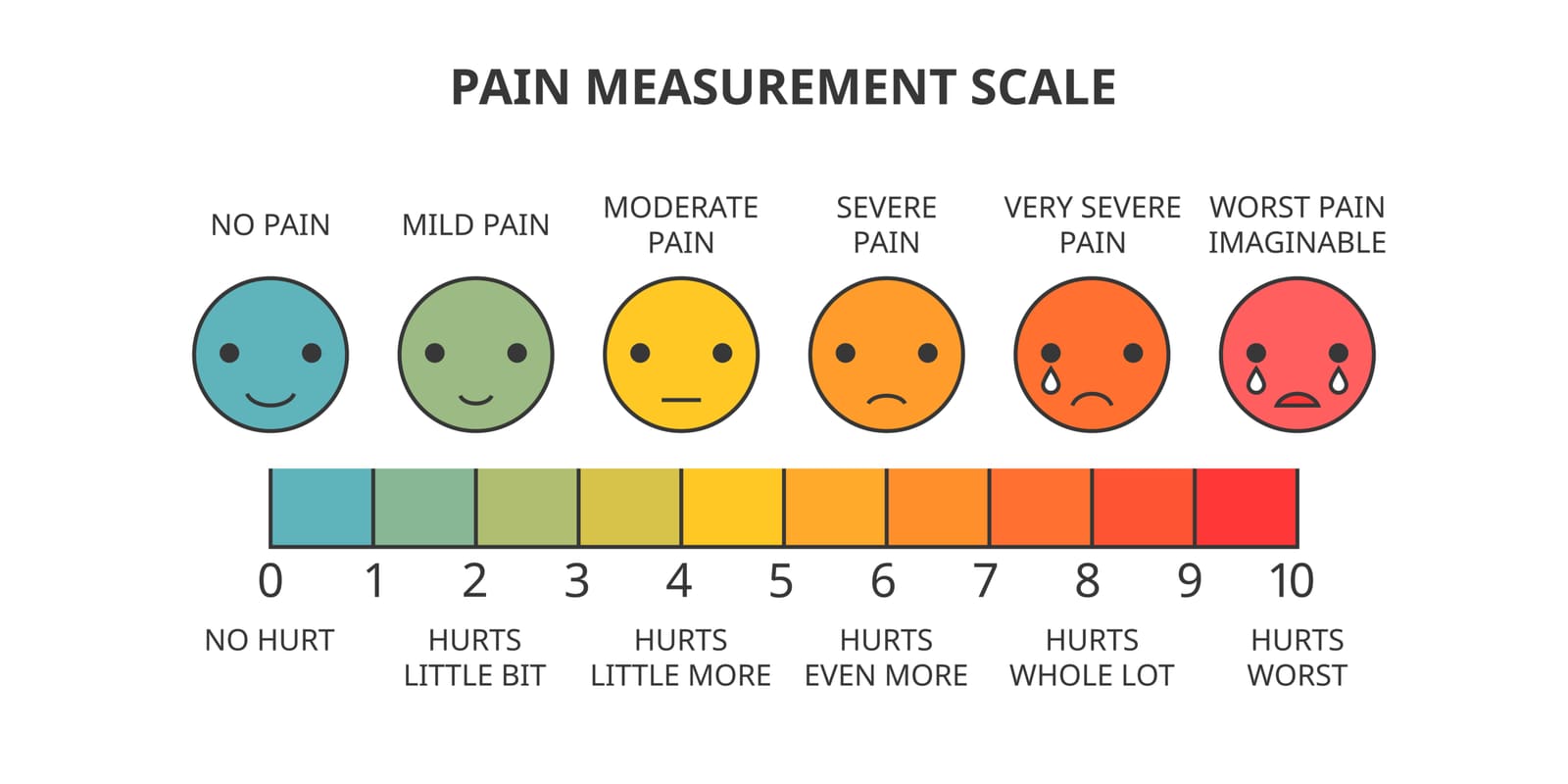
Are you one of the 50 million Americans currently experiencing chronic pain? The daily aches and frustrations of stiff, sore, shooting, numb, or throbbing body parts can rob you of your independence, confidence, and quality of life. So, you can imagine how frustrating it is to be told by a doctor or loved one that your pain is just "all in your head" or made to feel as if you're just "making it all up."
Heck, you may even start to doubt yourself sometimes! You may find that simple things like going out in the cold weather or feeling your clothing against your skin feel can be uncomfortable. Or, you may notice that your pain gets worse during times of excessive stress. What's going on?
The truth is, chronic pain is real and can be incredibly distressing. But new research about a phenomenon known as central sensitization gives us better options for improving pain and helping people feel more in control of their lives.
What is Central Sensitization?
Central sensitization is a phenomenon that happens when the nervous system becomes highly sensitive and reactive following some type of injury or illness. An overly sensitive nervous system can cause a person to have pain that lasts long after the initial injury heals. This is a key reason why central sensitization is very common in people with chronic pain.
Central sensitization may also cause a person to feel pain in response to things that do not normally cause pain, like light touch, cool or cold temperatures, slow walking, or the feeling of clothing against the skin. People experiencing central sensitization may also feel way more pain in response to something that in normal circumstances would only produce a little bit of pain, like a light bump or jostle while riding in a car.
We're still learning about why central sensitization happens. We know it's associated with neurological changes in certain parts of the brain and spinal cord, as well as the way nerves function and transmit sensory signals. One leading theory is that pain and stress increase inflammation in the body, which can irritate the nervous system and make it more sensitive.
Central sensitization is believed to be related to a varying combination of physical, environmental, genetic, and psychological factors. It's commonly seen after injuries including stroke, traumatic brain injury, chronic back pain, knee osteoarthritis, chronic neck pain and whiplash, tension headaches, migraines, fibromyalgia, chronic fatigue syndrome, and post-surgical recovery.
3 Important Things to Know About Central Sensitization and Chronic Pain
1. Your nervous system functions like an alarm system or a guard dog.
Imagine a hypervigilant guard dog that barks loudly at every single noise she hears. Even if the noise is coming from something as harmless as a clock ticking or a car driving down the street, an overly sensitive guard dog will act as if everything she hears is a threat.
This is a good analogy to what happens in an overly sensitive nervous system. Even though your body may no longer be in danger, your nervous system becomes very jumpy and on edge because it's trying to protect you from something harmful happening again.
Normally, it takes different levels of "danger" stimuli (like spraining an ankle, cutting a finger, or sitting for too long) to trigger your nervous system to create the sensation of pain that you then register in your conscious awareness. But in some people, this level of "danger" stimulus could become very low, such as being gently brushed on the skin with someone's fingertips. To use the alarm system analogy, this would be like a leaf landing on the window and setting off the house alarm!
2. Pain does not always mean "tissue damage" or "injury."
For many people, the pain they feel (or at least a significant portion of it) comes from their overly sensitive nervous system that we just learned about. It's not due to remaining or worsening tissue damage. This doesn't mean the pain is "made up" or not real. In fact, pain is created by chemicals and electrical activity in the brain and nerves, and can be "seen" on things like functional MRI imaging. In other words, pain is very real, even if it is produced by the nervous system.
Unfortunately, many people are afraid to stay active when they have chronic pain because they are afraid they will cause more damage to their painful body area. This isn't necessarily true. In fact, research shows that exercise is an incredibly effective pain-reliever for many conditions, including fibromyalgia, and osteoarthritis.
Of course, if you have chronic pain or any underlying health condition, you should consult with a doctor before starting any exercise program. Movement is healthy for your body, but it's important to make sure the exercise you choose is safe and appropriate for you given your health status and ability.
3. Learning about how pain happens can help make your pain feel better.
Did you know your thoughts, beliefs, perspectives, and even mood can affect your pain level? This helps to explain why people who feel stressed out often have increased pain, or why people from different cultures express pain differently.
Incredibly, research shows that simply learning about how pain works—including the fact that the nervous system can become hypersensitive—can help a person feel less pain, sometimes immediately! The benefits of pain education are even better when combined with other individualized treatments for pain, including physical therapy, psychotherapy, medications, and lifestyle techniques like meditation, deep breathing, and diet and exercise.
Is Pain In Your Life?
Share your story, educate yourself, and find inspiration in other people's stories. Connect with our Healthread community today to see how other people are living or beating chronic pain!
Sources
- 1pubmed.ncbi.nlm.nih.gov/24779489/
- 2cdc.gov/mmwr/volumes/67/wr/mm6736a2.htm
- 3instituteforchronicpain.org/understanding-chronic-pain/what-is-chronic-pain/central-sensitization
- 4mayoclinic.org/diseases-conditions/fibromyalgia/in-depth/fibromyalgia-and-exercise/art-20093376
- 5rheumatology.org/I-Am-A/Patient-Caregiver/Diseases-Conditions/Living-Well-with-Rheumatic-Disease/Exercise-and-Arthritis
Información general, no consejo médico
Este artículo no puede tener en cuenta tu historial de salud ni tu tratamiento actual. Habla con un profesional sanitario cualificado antes de cambiar nada de tu cuidado.
Lee nuestro aviso médico →
En esta página
What is Central Sensitization?
3 Important Things to Know About Central Sensitization and Chronic Pain
1. Your nervous system functions like an alarm system or a guard dog.
2. Pain does not always mean "tissue damage" or "injury."
3. Learning about how pain happens can help make your pain feel better.
Is Pain In Your Life?
Sources
Pon en práctica lo que lees
Controla tus medicamentos, consulta un síntoma y habla con personas que viven con la misma enfermedad, todo en Healthread.
Descargar la app
Sigue leyendo

Beauty and Anti-Aging
Gastric Balloon for Weight Loss
The gastric balloon weight loss procedure is a new FDA-approved minimally invasive bariatric procedure for treating obesity. It is a temporary procedure that involves placing a saline-filled silicone balloon in the…
19 de junio de 2025 · 3 min de lectura
Beauty and Anti-Aging
Vitamin D Deficiency
Also known as the sunshine vitamin, vitamin D is an essential nutrient that is naturally absorbed by the skin through exposure to sunlight. It can also be obtained from dietary sources and supplements.
30 de diciembre de 2024 · 3 min de lectura

Cancer-Updates
Gynecologic Cancer
Gynecologic cancer is a term used to describe a group of cancers that affect the female reproductive system. There are five types of gynecologic cancers named after the body part where they start.
5 de noviembre de 2024 · 3 min de lectura


© 2026 Healthread
English · Español
Healthread no ofrece asesoramiento médico, diagnóstico ni tratamiento. Consulta siempre a un profesional sanitario cualificado sobre tu atención.