

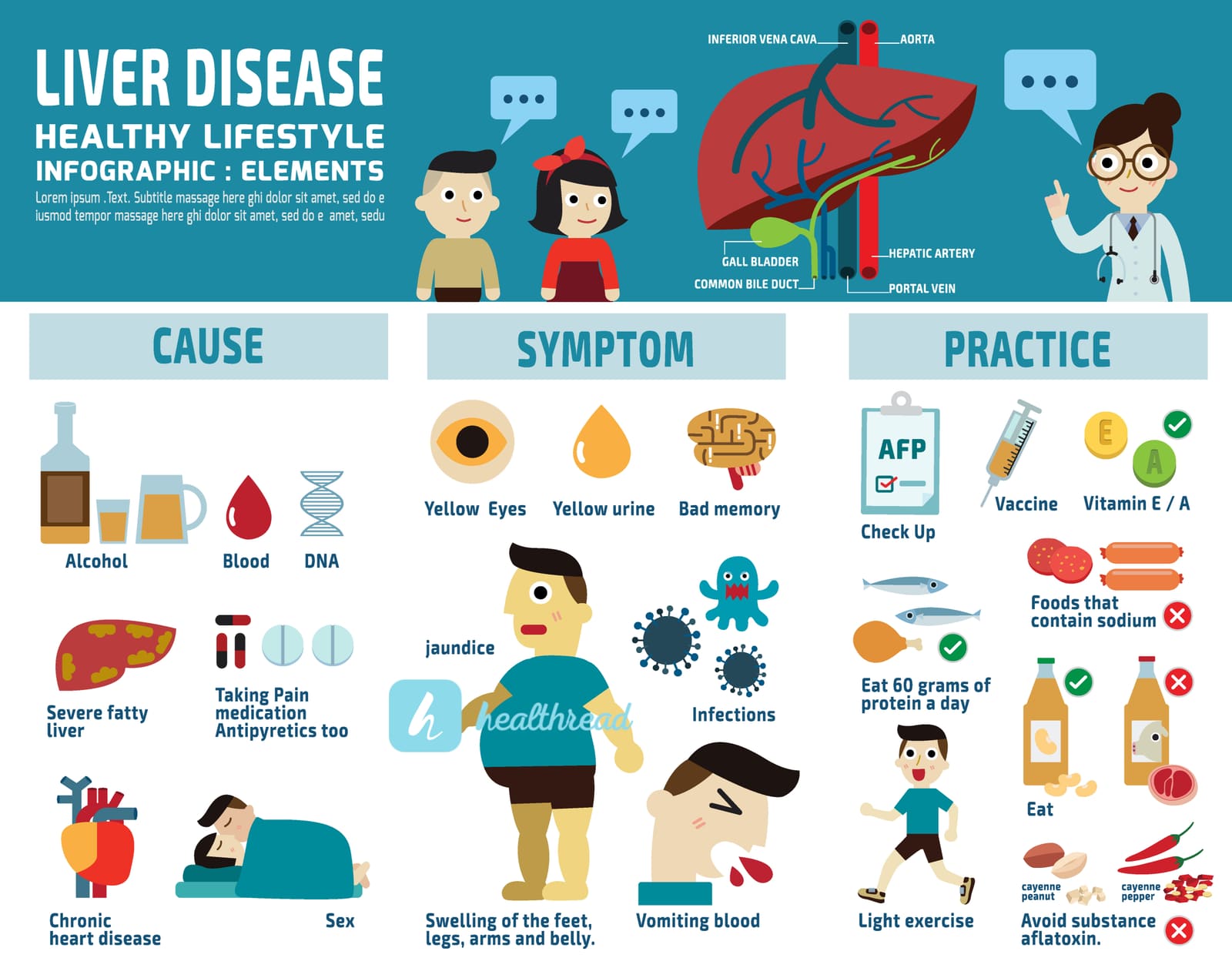
Cirrhosis of the liver refers to the later stages of liver damage and scarring resulting from chronic illnesses. According to the Centers for Disease Control (CDC) there are 4.5 million people in the U.S. with chronic liver disease and cirrhosis, about 1.8% of the adult population. In 2018, over 42,800 people in the U.S. died from cirrhosis of the liver. Cirrhosis is the 12th leading cause of disease-related death in the U.S., the National Institutes of Health report.
What is cirrhosis?
Cirrhosis is the medical term for the way liver tissue develops scars and damage. When the liver is damaged over time, it attempts to heal itself and replaces injured tissue with non-living fibrous scar tissue. According to the American Liver Foundation, the most common causes of cirrhosis are infections with Hepatitis C or B, and liver disease related to alcoholism or non-alcoholic fatty liver disease.
The top cause of cirrhosis in the U.S. is Hepatitis C, followed by alcohol-related cirrhosis. Other causes include genetic diseases like Wilson disease, hemochromatosis, glycogen storage diseases, and Alpha-1 antitrypsin deficiency. Bile duct disease can also cause cirrhosis.
Cirrhosis symptoms
The Mayo Clinic advises that cirrhosis often has no symptoms in its earlier stages. As the condition progresses, symptoms emerge that include:
- Tiredness and fatigue
- Skin is easily bruised or bleeds easily
- Edema (swelling in the legs, feet, and ankles)
- Nausea
- Loss of appetite
- Weight loss
- Itchy skin
- Jaundice (yellow coloring of eyes and skin)
- Fluid accumulation in the abdomen
- Spider veins
- Confusion, drowsiness, and slurred speech
Men may experience a loss of sex drive, testicular atrophy, or breast enlargement due to hormonal changes. Menstrual periods can stop in women before menopause. Additional symptoms can include extra sensitivity to medications, high blood pressure in the vein that enters the liver, and enlarged veins in the esophagus and stomach called varices. The National Institute of Diabetes and Digestive and Kidney Diseases says that varices can break, causing internal bleeding. Cirrhosis can also lead to liver cancer.
Diagnosing cirrhosis
Clinicians diagnose cirrhosis of the liver by taking a medical history and documenting symptoms, along with a physical exam. Liver biopsies and imaging tests can determine how much damage the liver has suffered.
Cirrhosis diagnostic tests can include an abdominal and pelvic CT scan, abdominal ultrasound, an MRI, and an MRCP test. Liver function tests analyze liver enzyme levels and a smooth muscle antibody (SMA) can identify if you have autoimmune hepatitis.
If you have been diagnosed with cirrhosis, you will have regular diagnostic tests to monitor disease progression and support treatment and self care.
Treating cirrhosis
The extent of liver damage and its causes will influence how cirrhosis is treated. The goal of treatment is to slow down scarring in the liver and prevent or improve symptoms and complications. Liver scarring can't be reversed, but the scarring process can be slowed with treatment and self-care. If damage is severe, hospitalization may be necessary.
Treatments include:
- Treatment for alcohol misuse for alcohol-related cirrhosis
- Weight loss programs for people with non-alcoholic fatty liver disease
- Medications to treat damage due to viral illness, including hepatitis B and C
Fluid can build up in the feet, legs, and abdomen as a result of cirrhosis. Fluid build-up can be treated with medications, a low-sodium diet, and in severe cases, surgery to drain fluid or relieve pressure. Hypertension in veins leading to the liver and enlarged veins in other areas (varices) can be treated with blood pressure medications, and in extreme cases, surgeries and stents.
Serious complications of cirrhosis include liver cancer, hepatic encephalopathy, and liver failure. Liver transplants are the final treatment option for people with severe cirrhosis and liver failure.
In the past, people with cirrhosis from alcoholism were not considered good candidates for liver transplants because of the risk they would return to drinking alcohol following the surgery. However, the Mayo Clinic reports that some people with alcoholic cirrhosis can now be transplant candidates as long as they commit to lifelong abstinence from alcohol and other program criteria.
Coping with cirrhosis
The American Liver Foundation says that it is possible to prevent more damage to the liver by following common-sense self-help measures. Self-help measures include:
- Following a healthy diet and getting regular exercise
- Limiting salt in the diet to prevent fluid buildup
- Avoiding raw shellfish
- Stop consuming alcohol
- Talk to your clinician about hepatitis A and B vaccinations
- Practicing safe sex
- Using clean needles for tattoos and piercings
- Do not share razors, toothbrushes, needles or other personal items
Preventing cirrhosis
Because the most common causes of cirrhosis are chronic viral hepatitis, alcoholism, and non-alcoholic steatohepatitis (NASH) - fatty buildup in the liver - people can prevent the risk of cirrhosis by the following actions:
- Limiting or eliminating alcohol use
- Eating a healthy diet, getting sufficient exercise, and maintaining a healthy weight
- Following safe sex and needle use practices
Cirrhosis can't be reversed or cured, but with good healh practices and treatment, patients can slow its progression.
Sources
Información general, no consejo médico
Este artículo no puede tener en cuenta tu historial de salud ni tu tratamiento actual. Habla con un profesional sanitario cualificado antes de cambiar nada de tu cuidado.
Lee nuestro aviso médico →
En esta página
What is cirrhosis?
Cirrhosis symptoms
Diagnosing cirrhosis
Treating cirrhosis
Coping with cirrhosis
Preventing cirrhosis
Sources
Pon en práctica lo que lees
Controla tus medicamentos, consulta un síntoma y habla con personas que viven con la misma enfermedad, todo en Healthread.
Descargar la app
Sigue leyendo

Beauty and Anti-Aging
Gastric Balloon for Weight Loss
The gastric balloon weight loss procedure is a new FDA-approved minimally invasive bariatric procedure for treating obesity. It is a temporary procedure that involves placing a saline-filled silicone balloon in the…
19 de junio de 2025 · 3 min de lectura
Beauty and Anti-Aging
Vitamin D Deficiency
Also known as the sunshine vitamin, vitamin D is an essential nutrient that is naturally absorbed by the skin through exposure to sunlight. It can also be obtained from dietary sources and supplements.
30 de diciembre de 2024 · 3 min de lectura

Cancer-Updates
Gynecologic Cancer
Gynecologic cancer is a term used to describe a group of cancers that affect the female reproductive system. There are five types of gynecologic cancers named after the body part where they start.
5 de noviembre de 2024 · 3 min de lectura


© 2026 Healthread
English · Español
Healthread no ofrece asesoramiento médico, diagnóstico ni tratamiento. Consulta siempre a un profesional sanitario cualificado sobre tu atención.