


Oral herpes, referred to as a cold sore or fever blister, is a common infection causing sores to the mouth and/or lips, affecting millions each year. Approximately 50% to 80% of adults have been exposed to herpes simplex virus 1 resulting in oral herpes, according to John Hopkins Medicine.
What causes oral herpes?
Oral herpes is an infection caused by the herpes simplex virus 1 (HSV-1). HSV-1 is most often acquired in adolescence through non-sexual contact with saliva, such as kissing. Once a person has been infected with HSV-1, the virus remains in the body for the remainder of their life as there currently is no known cure.
Oral herpes can be “awakened” or activated by many things including:
- A hormonal change
- Pregnancy
- Menstruation
- Extremely high or low temperatures
- Sunburn
- Stress
- Illness
- Dry, cracked lips
Symptoms of oral herpes
Cold sores or oral herpes produce similar symptoms in all people affected by HSV-1. A person living with oral herpes constantly has the HSV-1 virus lying dormant in the trigeminal ganglion nerve group.
Initial Symptoms
When the virus is awakened, a person will first notice a tingling, itching, or burning sensation near the mouth or on their lips. Blisters, small fluid-filled sacs, begin forming approximately 12 to 24 hours after initial discomfort.
Main Symptoms
A person experiencing an initial HSV-1 outbreak may experience varying symptoms other than a recurrent outbreak, such as:
- A sore throat
- Fever
- Headache
- Muscle aches
- Inflamed or swollen lymph nodes
As far as the actual cold sore, within 5 days after blister formation, the blister begins to scab over and may crack or bleed.
Eye infections and genital sores are rare complications of oral herpes.
Duration of Cold Sores
This is the start of the healing process of these blisters — a process that can take up to two weeks for total healing. Once the blister has fully healed, the virus goes back to a dormant state until it is triggered again.
How is oral herpes treated?
Oral herpes is most commonly treated with the use of over-the-counter creams or ointment. This OTC ointment is applied directly to the affected area. This medication can be purchased from any local drug store, grocery store, or pharmacy without a prescription. When OTC ointment is used as soon as the burning or tingling sensation is felt, a person may be able to prevent blister formation altogether.
When OTC medication is not successful in healing the cold sores, a physician will provide the patient with prescription antiviral medications that are to be taken orally as prescribed. Treatment-resistant oral herpes may require intravenous antiviral medication.
Prevention of oral herpes
A person living with herpes simplex virus 1 can be asymptomatic for years. However, it becomes highly contagious when they begin experiencing symptoms and develop blisters. To avoid contracting herpes simplex virus 1 it is imperative that you do not kiss or engage in oral sex with a person with blisters present.
In addition, if you are exposed to or have contracted HSV-1:
- Avoid sharing utensils, towels, chapstick, lip balm, or other personal items as HSV-1 can be transmitted through the saliva on these items.
- Avoid kissing or direct contact when blisters are present.
- Wash your hands regularly before touching other areas of your body, other people, or items if you have touched the cold sore on your mouth.
Once you have a cold sore, you can spread the virus to others until the cold sore has scrapped over, says the American Academy of Dermatology Association.
Once someone has been exposed to and diagnosed with HSV-1, they remain infected for life as there is no cure. Therefore, there is no risk of “reinfection”. However, the World Health Organization reports that a person with HSV-1 is at an increased risk of developing HSV-2 (genital herpes).
It is important that you avoid direct skin contact with a person that has blisters on or near their mouth even if they say it is “nothing”. It can take up to 20 days after exposure to the virus for symptoms to appear. Remember, once you are infected with HSV-1 you will live with this virus for the remainder of your life, therefore protecting yourself from exposure is more important than ever.
If you think you may have been exposed, contact your primary care physician for testing.
Record Your Cold Sores Wellness
Did you know that you can record and track your feelings about your cold sores through the “My Storyline” tab on your Profile page on the Healthread app? Since cold sores can take up to two weeks to resolve, this is a great tool to use to monitor how you are feeling about the progress of your cold sores healing. And, through the app, you can receive and lend support to other Healthread readers who may also be dealing with a cold sores outbreak.
Sources
- 1hopkinsmedicine.org/health/conditions-and-diseases/herpes-hsv1-and-hsv2/oral-herpes
- 2who.int/news-room/fact-sheets/detail/herpes-simplex-virus
- 3mayoclinic.org/diseases-conditions/cold-sore/symptoms-causes/syc-20371017
- 4my.clevelandclinic.org/health/diseases/21136-cold-sores
- 5cedars-sinai.org/health-library/diseases-and-conditions/h/herpes-simplex-virus-hsv-mouth-infection.html
- 6medlineplus.gov/coldsores.html
- 7medlineplus.gov/ency/article/000606.htm
- 8aad.org/public/diseases/a-z/cold-sores-overview
#Healthread #coldsores #coldsoresupport #oralherpes #herpes #herpesawarness #herpessupport #healthapp #healingtogether #health
Información general, no consejo médico
Este artículo no puede tener en cuenta tu historial de salud ni tu tratamiento actual. Habla con un profesional sanitario cualificado antes de cambiar nada de tu cuidado.
Lee nuestro aviso médico →
En esta página
What causes oral herpes?
Symptoms of oral herpes
Initial Symptoms
Main Symptoms
Duration of Cold Sores
How is oral herpes treated?
Prevention of oral herpes
Record Your Cold Sores Wellness
Sources
Pon en práctica lo que lees
Controla tus medicamentos, consulta un síntoma y habla con personas que viven con la misma enfermedad, todo en Healthread.
Descargar la app
Sigue leyendo
Beauty and Anti-Aging
Gastric Balloon for Weight Loss
The gastric balloon weight loss procedure is a new FDA-approved minimally invasive bariatric procedure for treating obesity. It is a temporary procedure that involves placing a saline-filled silicone balloon in the…
19 de junio de 2025 · 3 min de lectura
Beauty and Anti-Aging
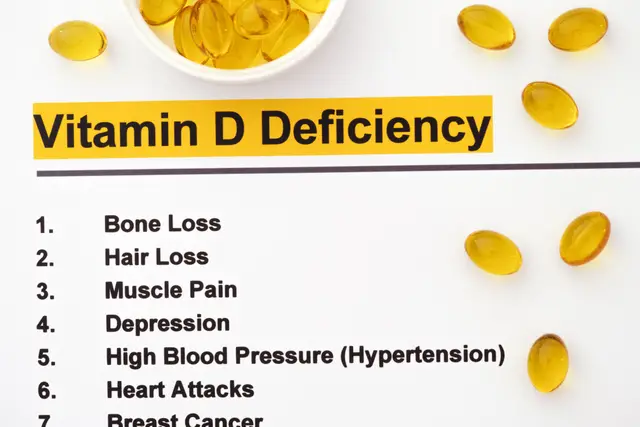
Vitamin D Deficiency
Also known as the sunshine vitamin, vitamin D is an essential nutrient that is naturally absorbed by the skin through exposure to sunlight. It can also be obtained from dietary sources and supplements.
30 de diciembre de 2024 · 3 min de lectura
Beauty and Anti-Aging
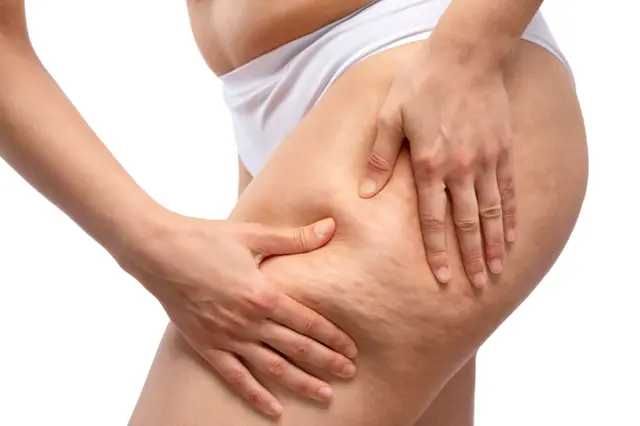
Cellulite
Cellulite appears with an orange peel or cottage cheese-like texture with a dimpled or lumpy skin surface. Mild cellulite is visible when you pinch the area with cellulite, like the thighs. Severe cellulite can make the…
13 de agosto de 2024 · 3 min de lectura


© 2026 Healthread
English · Español
Healthread no ofrece asesoramiento médico, diagnóstico ni tratamiento. Consulta siempre a un profesional sanitario cualificado sobre tu atención.