

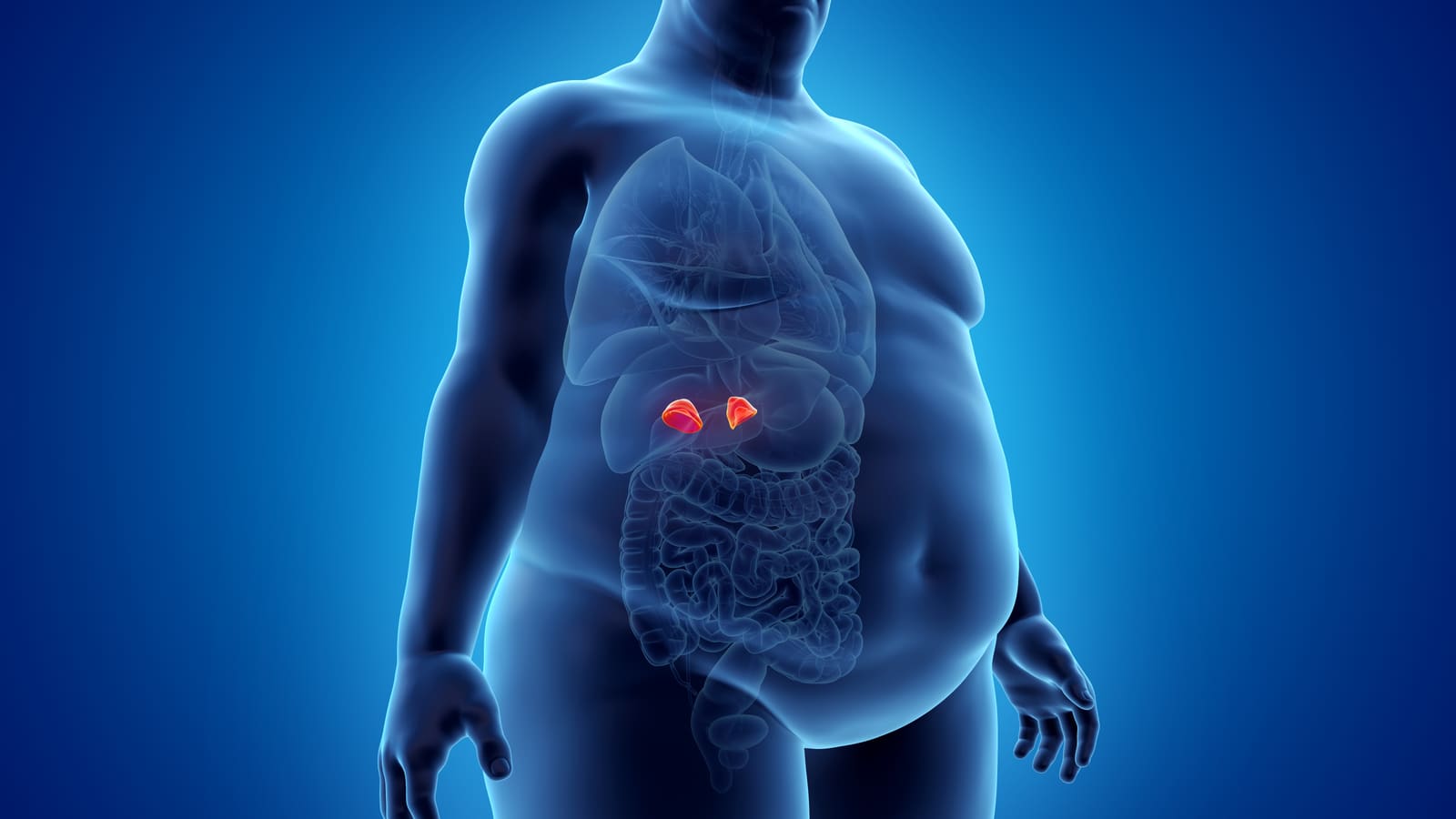
What is Cushing’s disease?
The human body is home to countless smaller parts that must work seamlessly together to maintain healthy bodily functions. However, many internal and external factors can disrupt a healthy body. The primary stress hormone, known as cortisol, is responsible for regulating blood glucose levels, maintaining healthy blood pressure, turning food into energy that can fuel the body, and reducing inflammatory levels in the body.
When your body experiences an overabundance of cortisol buildup within, whether it be from factors inside the body (endogenous) or factors outside of the body (exogenous), you may develop a rare condition, known as Cushing’s syndrome.
Who does Cushing’s syndrome affect?
Cushing’s disease is a rare syndrome affecting between 10 to 15 million people each year. This condition may affect both men and women, but it is more commonly seen in women and those between the ages of 20 to 50 years old. Cushing’s disease may affect people differently and the severity of symptoms associated with this disease varies from person to person.
What are the symptoms of Cushing’s disease?
Symptoms of Cushing’s disease vary based on the length of time the body has been subjected to high cortisol levels as well as one’s gender.
Common symptoms of Cushing’s disease include:
- A rounded face
- Increased fatty tissue at the base of the neck
- Easy bruising
- Muscle weakness
- Stretch marks
- Thinner arms and/or legs
- Sleep issues
- Acne
- Cognitive difficulties
- Vertigo
- High blood pressure
- High blood sugar
- Severe depression
Women struggling with high cortisol levels may experience irregular or absent menstrual cycles and/or thick, noticeable hair on the body. Men may experience erectile dysfunction, fertility issues, or a decreased sex drive.
How is Cushing’s disease diagnosed?
Diagnosing Cushing’s syndrome may be a long, difficult process as the symptoms of this disease mimic several other common medical conditions. It is diagnosed by your doctor examining your medication history including pills, creams, inhalers, and injections containing cortisol, and adjusting these medications as needed.
The most common cause and the easier-treated cause of Cushing’s disease is the intake of excess levels of glucocorticoid through medication.
Endogenous factors causing Cushing’s disease are more difficult to diagnose and may require a referral to an endocrinologist - a physician that specializes in hormonal diseases and disorders. Your doctor may begin with a physical examination to assess for physical changes, followed by analyzing the cortisol levels in your blood, urine, and/or saliva.
In addition, those with suspected Cushing’s disease not caused by exogenous factors may require imaging tests to assess for the presence of pituitary or adrenal gland tumors that may be affecting cortisol levels.
How is Cushing’s syndrome treated?
Before implementing a treatment plan for Cushing’s disease, your doctor must determine the underlying cause. For example, exogenous factors that have caused Cushing’s disease are easily treated by understanding your medication list and following doctors' orders to reduce your intake of corticosteroids and other cortisol-containing medications. You mustn't cease taking medications without the supervision of your doctor, as tapering these medications can help to prevent deficient cortisol levels.
For those with endogenous factors causing Cushing’s disease, treatment can be a bit trickier. If the cause of symptoms is a tumor located within the pituitary or adrenal glands, pancreas, or lungs, an endocrinologist may recommend surgery or radiation to shrink or remove the tumor in its entirety.
For those who do not have success in combating Cushing’s disease symptoms with surgery and/or radiation, medication can be used to control cortisol production and help to maintain healthy levels of this key stress hormone. In some cases, surgery may deplete other hormone levels produced by the adrenal and pituitary glands and will require hormone replacement therapy after surgery.
What are the risk factors of Cushing’s disease?
Cortisol is a crucial hormone naturally produced by the body that helps to regulate key bodily functions including blood glucose levels, blood pressure, and stress management. While you cannot live without cortisol, too much of it can hurt the body. There is no known prevention for endogenous factors associated with Cushing’s disease. However, you can reduce exogenous factors by monitoring cortisol-containing medications.
Cushing’s disease is not a life-long disease and can be cured with treatment and time. Without proper treatment though, symptoms may persist or worsen. If you experience symptoms that affect your daily life, reach out to your healthcare provider.
Sources
- 1endocrine.org/patient-engagement/endocrine-library/cushings-syndrome-and-cushing-disease
- 2niddk.nih.gov/health-information/endocrine-diseases/cushings-syndrome#howCommon
- 3mayoclinic.org/diseases-conditions/cushing-syndrome/diagnosis-treatment/drc-20351314
- 4my.clevelandclinic.org/health/diseases/5497-cushing-syndrome#living-with
- 5csrf.net/
Información general, no consejo médico
Este artículo no puede tener en cuenta tu historial de salud ni tu tratamiento actual. Habla con un profesional sanitario cualificado antes de cambiar nada de tu cuidado.
Lee nuestro aviso médico →
En esta página
What is Cushing’s disease?
Who does Cushing’s syndrome affect?
What are the symptoms of Cushing’s disease?
How is Cushing’s disease diagnosed?
How is Cushing’s syndrome treated?
What are the risk factors of Cushing’s disease?
Sources
Pon en práctica lo que lees
Controla tus medicamentos, consulta un síntoma y habla con personas que viven con la misma enfermedad, todo en Healthread.
Descargar la app
Sigue leyendo

Beauty and Anti-Aging
Gastric Balloon for Weight Loss
The gastric balloon weight loss procedure is a new FDA-approved minimally invasive bariatric procedure for treating obesity. It is a temporary procedure that involves placing a saline-filled silicone balloon in the…
19 de junio de 2025 · 3 min de lectura
Beauty and Anti-Aging
Vitamin D Deficiency
Also known as the sunshine vitamin, vitamin D is an essential nutrient that is naturally absorbed by the skin through exposure to sunlight. It can also be obtained from dietary sources and supplements.
30 de diciembre de 2024 · 3 min de lectura

Cancer-Updates
Gynecologic Cancer
Gynecologic cancer is a term used to describe a group of cancers that affect the female reproductive system. There are five types of gynecologic cancers named after the body part where they start.
5 de noviembre de 2024 · 3 min de lectura


© 2026 Healthread
English · Español
Healthread no ofrece asesoramiento médico, diagnóstico ni tratamiento. Consulta siempre a un profesional sanitario cualificado sobre tu atención.