

Cystitis (Bladder Infection)
11 de octubre de 2023
3 min de lectura
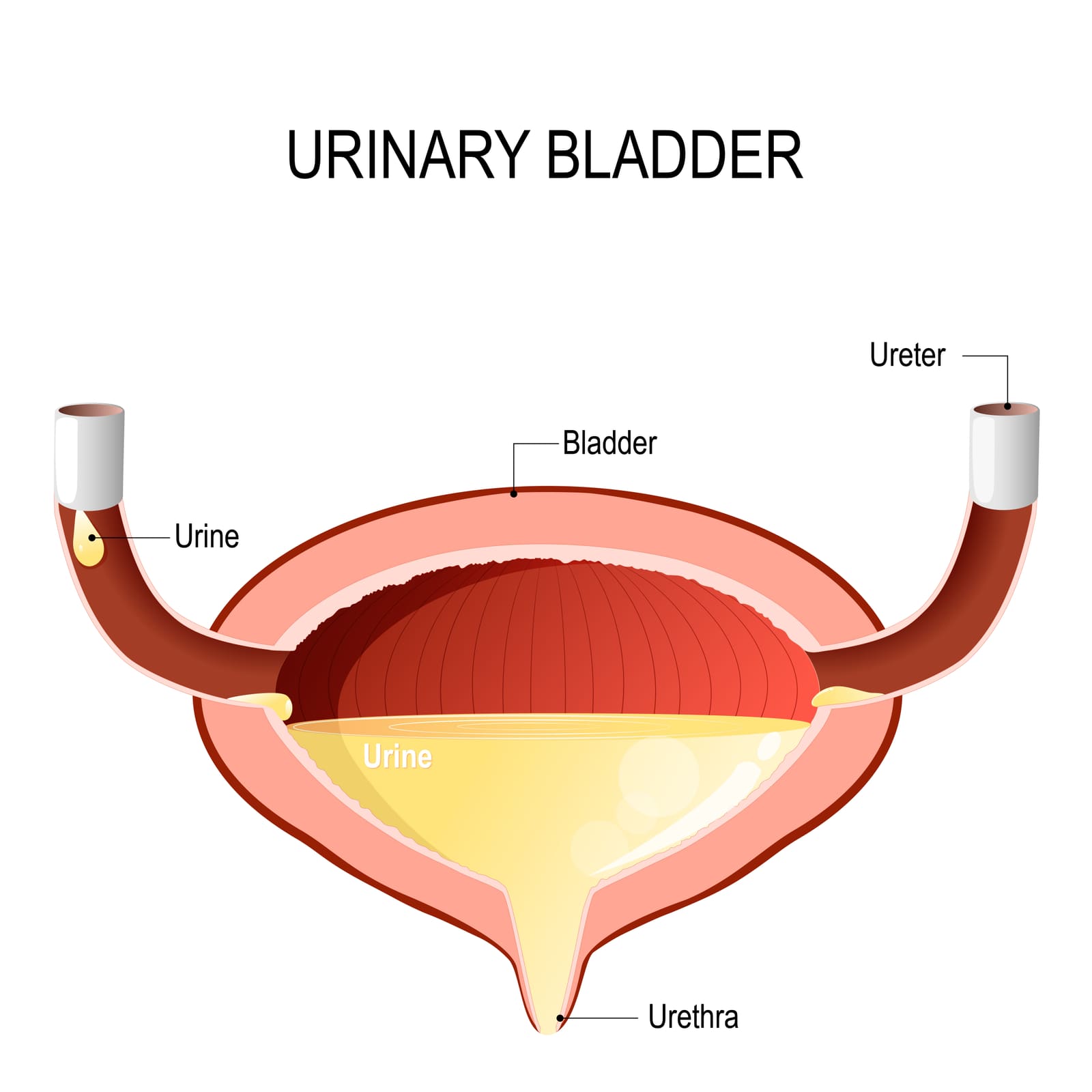
Cystitis is inflammation of the bladder that occurs because of bladder infection. Also known as a urinary tract infection, a bladder infection can be painful and annoying and cause severe health concerns if the infection spreads to the kidneys.
What is cystitis or bladder infection?
Cystitis is an infection of the lower urinary tract, specifically the urinary bladder. The condition can occur when bacteria normally living in the skin or bowel enter the urethra and bladder.
The bacteria then gets attached to the bladder lining, causing swelling and irritation of the bladder.
Even though cystitis can occur in anyone, it is common in females. Women have a shorter urethra closer to the anus, causing bacteria to enter the bladder easily.
Cystitis can be either acute or chronic. While acute cystitis can happen suddenly, chronic or interstitial cystitis can occur for a longer term.
Types of Cystitis
The types of cystitis depend on their causes and are as follows:
- Chemical cystitis: The bladder infection can develop because of chemicals in soaps, gels, spermicides, and gels. The condition can also result from chemotherapy treatments.
- Drug-induced cystitis: Some medications, like chemotherapy drugs, can irritate the bladder, causing cystitis.
- Foreign body cystitis: Where a catheter, endoscopic instruments, or stents are used during treatments, bacteria may enter the urethra through such devices, causing cystitis.
- Bacterial cystitis: It can occur when bacteria enter the urethra, causing bladder inflammation.
- Radiation cystitis: Radiation therapy, while killing cancer cells, can damage healthy cells in the pelvic region, causing cystitis.
Causes of Cystitis
Typically, cystitis can occur from a bacterial called Escherichia coli. Other bacteria that can cause bladder infections are:
- Lactobacillus
- Proteus mirabilis
- Group B streptococci
- S. saprophyticus
- Enterococci
- Klebsiella pneumoniae
- Staphylococcus saprophyticus
Cystitis can occur in males because of restricted urine flow from an enlarged prostate gland.
Cystitis can happen because of the following reasons.
- Difficult in fully emptying the urinary bladder
- Diabetes or high blood sugar level in urine
- Prolonged use, insertion, and changing of urinary catheter
- Sexual activity
- Using a diaphragm for birth control
People have a higher risk of developing cystitis during menopause because of the thinning of the urethra. A thinner urinary lining can increase the risk of infection and damage.
Symptoms of Cystitis
The symptoms depend on the type of cystitis.
Acute Cystitis
People with acute cystitis can have the following symptoms.
- Pain, stinging, and burning during urination
- Frequent urination
- Increased urgency to pass urine
- Strong smelling urine
- Dark and cloudy urine
- Pain in the lower stomach
- General tiredness, weakness, and aches
Children with a bladder infection can have additional symptoms like:
- Fever
- Lack of appetite
- Nausea and vomiting
- Tiredness, weakness, and aches
- Irritability
Some people may develop acute cystitis with hematuria, where there is a presence of blood in urine.
Interstitial Cystitis
People with chronic or interstitial cystitis can have the following symptoms.
- Frequent urination
- An urgency to urinate
- A pain in the lower abdomen, urethra, or vaginal area. Men can experience pain in the scrotum, testicles, or perineum and feel intense pain during ejaculation.
Diagnosis of Cystitis
Your doctor may perform an examination, ask questions about your symptoms, and do a urine test to diagnose a bladder infection. A urine culture may be done to detect the type of bacteria in the urine.
Treatment of Cystitis
Most mild cases of cystitis resolve within a few days. Where it persists for more than three days, doctors may prescribe antibiotics. To ease the symptoms, you can consider home remedies like:
- Drinking plenty of water
- Taking OTC pain medications like ibuprofen to treat pain
- Taking cranberry juice or capsules to prevent the bacteria from sticking to the urinary walls;
Prevention of Cystitis
Cystitis can be prevented by taking the following precautions.
- Wiping from front to back
- Avoiding spicy food and food high in potassium
- Avoiding smoking and drinking
- Wearing cotton underwear
- Practicing good hygiene after sex
- Using unperfumed soaps in the genital area
- Avoiding tight underwear
Sources:
- 1mayoclinic.org/diseases-conditions/cystitis/symptoms-causes/syc-20371306
- 2my.clevelandclinic.org/health/diseases/21203-bladder-inflammation-cystitis
- 3urologyhealth.org/urology-a-z/i/interstitial-cystitis
- 4ncbi.nlm.nih.gov/books/NBK482435/
- 5webmd.com/urinary-incontinence-oab/what-is-cystitis
- 6medicalnewstoday.com/articles/152997
- 7aafp.org/pubs/afp/issues/2011/1001/p778.html
Información general, no consejo médico
Este artículo no puede tener en cuenta tu historial de salud ni tu tratamiento actual. Habla con un profesional sanitario cualificado antes de cambiar nada de tu cuidado.
Lee nuestro aviso médico →
En esta página
What is cystitis or bladder infection?
Types of Cystitis
Causes of Cystitis
Symptoms of Cystitis
Acute Cystitis
Interstitial Cystitis
Diagnosis of Cystitis
Treatment of Cystitis
Prevention of Cystitis
Pon en práctica lo que lees
Controla tus medicamentos, consulta un síntoma y habla con personas que viven con la misma enfermedad, todo en Healthread.
Descargar la app
Sigue leyendo

Beauty and Anti-Aging
Gastric Balloon for Weight Loss
The gastric balloon weight loss procedure is a new FDA-approved minimally invasive bariatric procedure for treating obesity. It is a temporary procedure that involves placing a saline-filled silicone balloon in the…
19 de junio de 2025 · 3 min de lectura
Beauty and Anti-Aging
Vitamin D Deficiency
Also known as the sunshine vitamin, vitamin D is an essential nutrient that is naturally absorbed by the skin through exposure to sunlight. It can also be obtained from dietary sources and supplements.
30 de diciembre de 2024 · 3 min de lectura
Beauty and Anti-Aging
Cellulite
Cellulite appears with an orange peel or cottage cheese-like texture with a dimpled or lumpy skin surface. Mild cellulite is visible when you pinch the area with cellulite, like the thighs. Severe cellulite can make the…
13 de agosto de 2024 · 3 min de lectura


© 2026 Healthread
English · Español
Healthread no ofrece asesoramiento médico, diagnóstico ni tratamiento. Consulta siempre a un profesional sanitario cualificado sobre tu atención.