

December Is AIDS Awareness Month
5 de diciembre de 2023
2 min de lectura
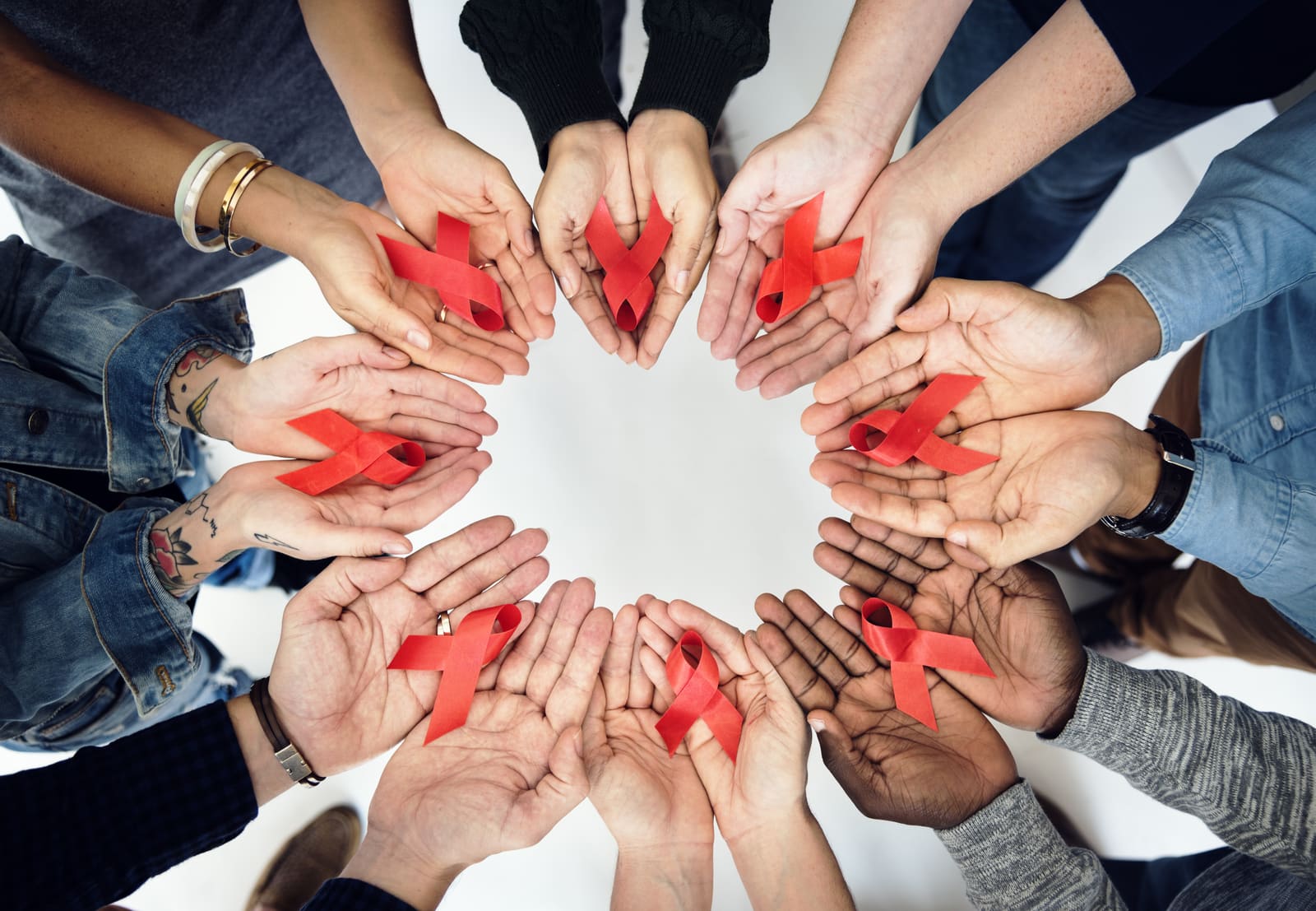
December is AIDS awareness month and December 1st is World AIDS Day. This is the 35th World AIDS Day and the theme is “Remember and Commit”.
World AIDS Day is for people around the world to unite in order to support people living with HIV and AIDS and to remember those who’ve died from AIDS-related illnesses.
This event also aims to remind those of the global struggle against HIV-related stigma and commit to a future where HIV is no longer a public health threat. During AIDS awareness month, it’s important to remember that there is still a lot of work to be done. While we’ve come a long way in our treatment of HIV and AIDS in the last 40 years, there’s still a long road ahead.
So in honor of HIV and AIDS awareness month, we thought we’d lend a hand by briefly going over what HIV and AIDS are and how people are affected by it – so read on to find out!
What is HIV?
Human immunodeficiency virus (HIV) is contracted when a person is exposed to the bodily fluids of another person with HIV, most commonly through unprotected sex or sharing needles for intravenous drug usage.
HIV attacks the cells in our body that fight infection, making people with HIV more vulnerable to diseases and infections.
While there is no cure for HIV, there are treatments available that allow people with HIV to lead long and healthy lives without transmitting the disease to HIV-negative partners.
When left untreated, HIV can lead to AIDS.
What is AIDS?
AIDS is the final stage of HIV infection. Without HIV medicine, people usually survive for about 3 years; however, if an opportunistic infection happens at this time, they may live for only one year. Luckily, HIV medicine can still help people at this stage of infection and it can even be lifesaving, but it is more effective the sooner it is taken – which is why HIV testing is so important.
HIV/AIDS Statistics
- While treatment and testing have come a long way, there are still 50,000 new cases of HIV/AIDS each year.
- The CDC estimated that there were 1.1 million Americans living with HIV/AIDS in 2015, 15% of which were undiagnosed.
- 44% of people between the ages of 13 and 23 were unaware of their HIV/AIDS.
How to Protect Yourself Against HIV and other STDs
Although the prospect of HIV and AIDS can be frightening – especially for men who sleep with men and/or AMAB (assigned male at birth) – there are ways to reduce the risk of contracting HIV and AIDS. Follow these practices to protect yourself from HIV, AIDS, and other STDs:
- Practice safe sex by always using condoms.
- Regularly get tested for STDs. Most college campuses offer anonymous STD testing. If you do get HIV or AIDS, getting your diagnosis early will allow for more effective treatment for yourself and prevent you from spreading it to sexual partners.
- Avoid excessive drug usage and alcohol as it commonly leads to unprotected and unsafe sex.
- Talk to your partner about their sexual history and be open and honest about yours.
- If you use drugs, don’t share syringes, needles, eyedroppers, or cookers.
Sources
- 1hiv.gov/events/awareness-days/world-aids-day/
- 2unaids.org/en/World_AIDS_Day#:~:text=Each%20year%2C%20on%201%20December,will%20be%20Let%20Communities%20Lead
- 3hiv.gov/hiv-basics/overview/about-hiv-and-aids/what-are-hiv-and-aids/
- 4dhhs.ne.gov/Pages/December-is-HIV-AIDS-Awareness-Month.aspx
- 5blog.unmc.edu/infectious-disease/2022/12/09/december-is-hiv-aids-awareness-month/
- 6chesapeakehc.org/december-international-aids-awareness-month/
- 7medicine.yale.edu/news-article/december-is-aids-hiv-awareness-month/
Información general, no consejo médico
Este artículo no puede tener en cuenta tu historial de salud ni tu tratamiento actual. Habla con un profesional sanitario cualificado antes de cambiar nada de tu cuidado.
Lee nuestro aviso médico →
En esta página
What is HIV?
What is AIDS?
HIV/AIDS Statistics
How to Protect Yourself Against HIV and other STDs
Pon en práctica lo que lees
Controla tus medicamentos, consulta un síntoma y habla con personas que viven con la misma enfermedad, todo en Healthread.
Descargar la app
Sigue leyendo
Beauty and Anti-Aging
Gastric Balloon for Weight Loss
The gastric balloon weight loss procedure is a new FDA-approved minimally invasive bariatric procedure for treating obesity. It is a temporary procedure that involves placing a saline-filled silicone balloon in the…
19 de junio de 2025 · 3 min de lectura
Beauty and Anti-Aging
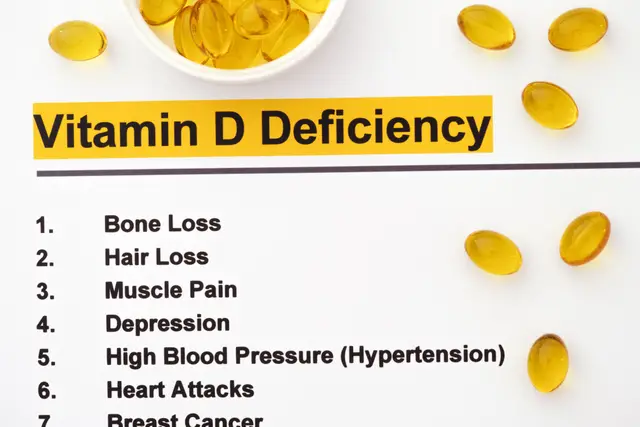
Vitamin D Deficiency
Also known as the sunshine vitamin, vitamin D is an essential nutrient that is naturally absorbed by the skin through exposure to sunlight. It can also be obtained from dietary sources and supplements.
30 de diciembre de 2024 · 3 min de lectura
Beauty and Anti-Aging
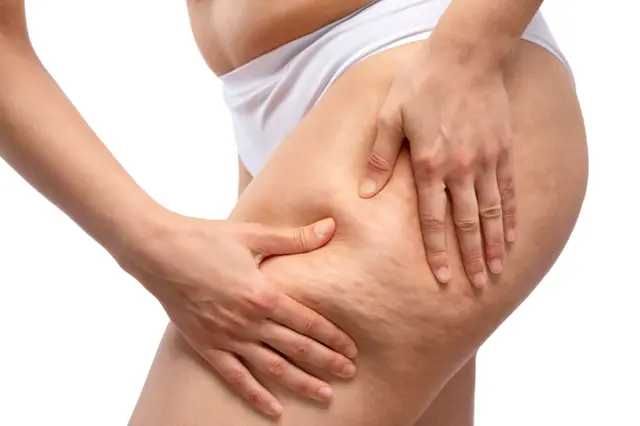
Cellulite
Cellulite appears with an orange peel or cottage cheese-like texture with a dimpled or lumpy skin surface. Mild cellulite is visible when you pinch the area with cellulite, like the thighs. Severe cellulite can make the…
13 de agosto de 2024 · 3 min de lectura


© 2026 Healthread
English · Español
Healthread no ofrece asesoramiento médico, diagnóstico ni tratamiento. Consulta siempre a un profesional sanitario cualificado sobre tu atención.