

Diet Choices for Type 2 Diabetes
28 de octubre de 2020
4 min de lectura
Type 2 diabetes affects about 33 million Americans or roughly 10 percent of the population.
The disease occurs when the body becomes insulin resistant, or if the patient’s pancreas can no longer produce sufficient insulin. This hormone, circulating in the bloodstream, lets sugar enter the cells, but also lowers the overall amount of sugar in the bloodstream. When blood sugar levels decrease, so does insulin secretion by the pancreas.
Glucose is the primary source of energy for the cells making up bodily tissues. This sugar comes from food and the liver. The latter makes and stores glucose. If glucose levels drop, the liver keeps these levels within the normal range.
While adults are more likely to receive a Type 2 diabetes diagnosis, children also develop the condition. That’s especially true for overweight youngsters.
Left untreated, Type 2 diabetes can result in high blood sugar damaging bodily organs. This may include:
- Kidney failure
- Heart disease
- Stroke
- Eye damage
- Nerve damage
Gastroparesis, causing problems with emptying the stomach, is another possible consequence of untreated Type 2 diabetes.
Dietary management is a key component in the fight against Type 2 diabetes.
Weight Loss
If you are overweight, losing up to 10 percent of your body weight can aid in lowering blood sugar levels. Weight loss also lowers heart disease risk, and diabetics are especially vulnerable.
Part of your Type 2 diabetes diet may focus on weight loss. Your doctor will provide you with an exercise plan to complement your weight loss diet.
Good Food Choices
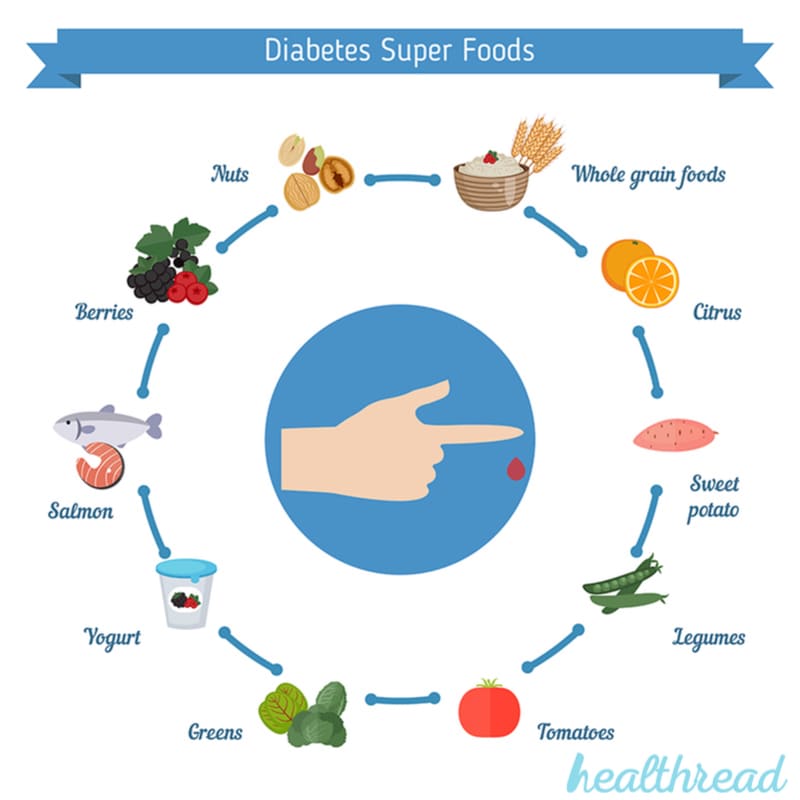
People with Type 2 diabetes can still eat delicious meals. What you seek are foods providing plenty of nutrients. You want more “bang for the buck” foods, in that they pack a lot of vitamins and minerals into relatively small portions.
Examples of nutrient-dense foods include:
- Eggs
- Fish
- Fruits and vegetables
- Lean meats
- Legumes
- Seeds and nuts
- Unsweetened yogurt
- Whole grains
Keep in mind that just because a food is nutrient-dense does not necessarily mean it is right for you. Some of these foods are high in carbohydrates. If your doctor wants you to follow a low carb diet, items such as dried legumes or fruits are off your list.
Beverage Choices
When it comes to quenching your thirst, you cannot go wrong with water. You can go very wrong choosing sugary soft drinks. Stay away from soft drinks and limit yourself to water, tea, or coffee. Of course, you should not add much milk or sugar to the latter two. Iced tea or coffee is fine if unsweetened.
Sugary soft drinks have a high glycemic load. Various studies show a link between regular soft drink consumption and Type 2 diabetes. Such drinks contribute substantially to weight gain.
For best results, do not consume alcohol. If you must drink, limit the consumption of alcoholic beverages to no more than one per day for women and two a day for men.
Foods to Avoid
Because diabetes can increase the risk of developing cardiovascular disease, following a heart-healthy diet is essential. Avoid the following foods to lower your risk:
- High-fat dairy products –including butter, ice cream, and whole milk. Dairy products and animal proteins contain cholesterol, which gums up arteries.
- High-fat animal proteins –As with dairy products, certain animal proteins contain excess saturated fats. Stay away from bacon, sausage, hot dogs, and beef.
- Processed foods –These convenience foods contain trans-fats.
- Sodium –Keep salt levels down. Patients with hypertension, or high blood pressure, need special diligence to keep sodium consumption to a minimum.
The Meal Plan
Ask your dietitian about creating a customized meal plan. Such plans focus on portion control, as well as healthy dining.
The American Diabetes Association recommends the plate method of meal planning, which is simple but effective. Just fill half of the plate with vegetables – the non-starchy variety –and fill one-quarter of the plate with a lean meat protein. The other quarter should include whole grains or starchy vegetables. Green peas are a good example of the latter.
Preventing Type 2 Diabetes
Type 2 diabetes often comes on slowly. Patients may have the condition for years before becoming symptomatic. A blood test reveals whether a person has Type 2 diabetes.
It is possible for those with Type 2 diabetes risk factors –such as excess weight, physical inactivity, and genetics –to keep diabetes at bay by making healthy lifestyle choices, according to Harvard University’s T.H. Chan School of Public Health. The good news is that these choices also lessen the odds of developing cardiovascular disease and some cancers.
Since excess weight is the number one factor in developing Type 2 diabetes, keeping your weight within the normal range for your height reduces your risk of diabetes by more than half. Most people should not eat more than 1,200 to 1,600 healthy calories daily.
Sources
- 1medicinenet.com/diabetic_diet_for_type_2_diabetes/article.htm
- 2mayoclinic.org/diseases-conditions/diabetes/in-depth/diabetes-diet/art-20044295
- 3healthline.com/health/type-2-diabetes/diet-changes-newly-diagnosed
- 4medlineplus.gov/ency/article/007429.htm
- 5hsph.harvard.edu/nutritionsource/disease-prevention/diabetes-prevention/
Información general, no consejo médico
Este artículo no puede tener en cuenta tu historial de salud ni tu tratamiento actual. Habla con un profesional sanitario cualificado antes de cambiar nada de tu cuidado.
Lee nuestro aviso médico →
En esta página
Weight Loss
Good Food Choices
Beverage Choices
Foods to Avoid
The Meal Plan
Preventing Type 2 Diabetes
Sources
Pon en práctica lo que lees
Controla tus medicamentos, consulta un síntoma y habla con personas que viven con la misma enfermedad, todo en Healthread.
Descargar la app
Sigue leyendo

Beauty and Anti-Aging
Gastric Balloon for Weight Loss
The gastric balloon weight loss procedure is a new FDA-approved minimally invasive bariatric procedure for treating obesity. It is a temporary procedure that involves placing a saline-filled silicone balloon in the…
19 de junio de 2025 · 3 min de lectura
Beauty and Anti-Aging
Vitamin D Deficiency
Also known as the sunshine vitamin, vitamin D is an essential nutrient that is naturally absorbed by the skin through exposure to sunlight. It can also be obtained from dietary sources and supplements.
30 de diciembre de 2024 · 3 min de lectura
Beauty and Anti-Aging
Cellulite
Cellulite appears with an orange peel or cottage cheese-like texture with a dimpled or lumpy skin surface. Mild cellulite is visible when you pinch the area with cellulite, like the thighs. Severe cellulite can make the…
13 de agosto de 2024 · 3 min de lectura


© 2026 Healthread
English · Español
Healthread no ofrece asesoramiento médico, diagnóstico ni tratamiento. Consulta siempre a un profesional sanitario cualificado sobre tu atención.