

Discoid lupus, also known as discoid lupus erythematosus, is an autoimmune condition that affects the skin. It causes a severe rash that can lead to permanent scarring. Understanding the signs and symptoms of discoid lupus can help you obtain early treatment.
What Is Discoid Lupus?
Discoid lupus is an autoimmune disease, meaning that it occurs when the body’s immune system becomes overactive. Rather than fighting external diseases, the immune system begins mounting a response against your own tissues. Discoid lupus is different than systemic lupus. Although both conditions can cause a rash, systemic lupus affects many organs in the body, whereas discoid lupus only affects the skin.
Discoid Lupus Signs and Symptoms
The hallmark sign of discoid lupus is a rash. This rash appears as coin-like lesions that can appear anywhere on the body, though the neck, soles of the feet, palms, scalp, and elbows are most commonly affected. Symptoms include:
- Round or disc-shaped lesions that are pink or red. Lesions may look raw.
- Thick scales that develop on the scalp and skin
- Peeling skin
- Lesions that blister, particularly on the fingertips and elbows
- Thinning of the skin
- Brittle or bent fingernails
- Thickened scalp
- Changes in skin pigmentation, which may include lighter or darker spots
- Ulcers that develop inside the lips
- Patchy hair loss
- Permanent scarring
The hallmark rash in discoid lupus may be itchy or uncomfortable, but it usually does not cause pain. Symptoms wax and wane, meaning that the rash may appear for a period of time and then go into remission. Unlike systemic lupus, discoid lupus does not cause fatigue, fogginess, joint pain, or headaches. People with systemic lupus can develop a discoid lupus rash, however.
Treatment for Discoid Lupus
It is important to see a doctor immediately to get an accurate diagnosis of discoid lupus. Having one autoimmune condition increases your risk of developing another, so it is a good idea to visit the doctor regularly to monitor your health. There are several options for treatment of discoid lupus:
- Steroids. The rash is caused by inflammation of the skin, and steroids can help to calm inflammation. Topical steroids typically come in cream or ointment form. Another option is for your doctor to administer a steroid injection to the affected area. Taking oral prednisone, a common steroid, can also help. Because long-term steroid use can cause thinning skin and other side effects, they should be used cautiously.
- Other, non-steroidal topical medications. Your medical provider may also recommend non-steroidal topical medications. Calcineurin inhibitors like tacrolimus are sometimes effective in reducing inflammation associated with discoid lupus.
- Immunosuppressants. Immunosuppressant medications lower your body’s immune system activity. Because immunosuppressants leave you vulnerable to infections, they are typically only used in severe cases of discoid lupus or when other medications do not work. Options include methotrexate, mycophenolate mofetil, and azathioprine.
- Anti-malarial medications. Anti-malarial medications reduce inflammation and may reduce the appearance of discoid lupus lesions. Options include chloroquine, hydroxychloroquine, and quinacrine.
Sunlight can exacerbate the symptoms of discoid lupus, so it is essential to practice good sun safety. Always wear an SPF of 50 or higher, applying it to your face, neck, and other exposed areas. Reapply the sunscreen every two to three hours. Wearing a wide-brimmed hat and clothing that covers your skin is also important. Remember that even on a cloudy day, UV light can penetrate the clouds to reach your skin. Ask your medical provider for a medication review, as certain medications can increase your sensitivity to the sun.
Beyond Skin Health: Consequences of Discoid Lupus
The skin lesions are the primary feature of discoid lupus, but it is also important to recognize the psychological effects this condition can have. Discoid lupus lesions can cause permanent scarring, hair loss, and hyperpigmentation. This can affect your appearance and have a significant negative effect on self esteem.
If discoid lupus is making you feel sad, embarrassed, anxious, or depressed, make an appointment with a mental health provider. Psychotherapy can help you address the psychological symptoms that can go along with a health problem that changes your appearance. Connecting with other people going through similar issues can also help you learn coping strategies and understand what to expect from discoid lupus.
Información general, no consejo médico
Este artículo no puede tener en cuenta tu historial de salud ni tu tratamiento actual. Habla con un profesional sanitario cualificado antes de cambiar nada de tu cuidado.
Lee nuestro aviso médico →
Pon en práctica lo que lees
Controla tus medicamentos, consulta un síntoma y habla con personas que viven con la misma enfermedad, todo en Healthread.
Descargar la app
Sigue leyendo

Beauty and Anti-Aging
Gastric Balloon for Weight Loss
The gastric balloon weight loss procedure is a new FDA-approved minimally invasive bariatric procedure for treating obesity. It is a temporary procedure that involves placing a saline-filled silicone balloon in the…
19 de junio de 2025 · 3 min de lectura

Beauty and Anti-Aging
Vitamin D Deficiency
Also known as the sunshine vitamin, vitamin D is an essential nutrient that is naturally absorbed by the skin through exposure to sunlight. It can also be obtained from dietary sources and supplements.
30 de diciembre de 2024 · 3 min de lectura
Beauty and Anti-Aging
Cellulite
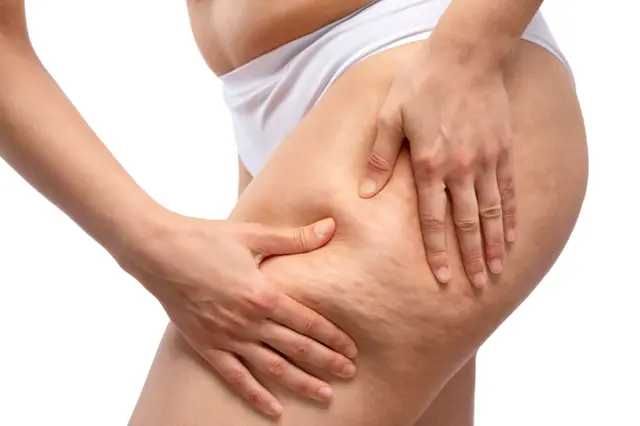
Cellulite appears with an orange peel or cottage cheese-like texture with a dimpled or lumpy skin surface. Mild cellulite is visible when you pinch the area with cellulite, like the thighs. Severe cellulite can make the…
13 de agosto de 2024 · 3 min de lectura


© 2026 Healthread
English · Español
Healthread no ofrece asesoramiento médico, diagnóstico ni tratamiento. Consulta siempre a un profesional sanitario cualificado sobre tu atención.